 Many years ago, I had a dream coin. Perhaps you know the feeling? You see a coin and think, "What would it be like to own that someday?" Maybe you see the same coin repeatedly in different sales or auctions over time. That feeling of "what would it be like to own that coin" is something that I think a lot of us feel. If you're at a major coin show and you see a display of extremely valuable or rare items, it's easy to fall into that mindset and ponder, "What would it be like if I was the owner of that cool thing and could stare at it all day long?"
For me, the coin which captured that feeling was the Liberty nickel counterbrockage. I will describe what a counterbrockage is, and then we will dive into this unique piece because I finally was able to acquire the coin, the exact one I had dreamed about for so long.
A counterbrockage is a complicated error in that it requires multiple steps in order to come into being. Imagine a planchet comes between the dies. The coin is struck. Instead of being ejected from the striking chamber, that coin stays in the striking chamber, essentially in between the dies. A new planchet then joins it between the dies, and when the dies come together again, only one die strikes that new planchet. The other side of that new planchet is struck by the previously struck coin. This results in the new coin having one normal side and one brockaged, incuse side, where the design in relief from the previously struck coin is impressed into it.
So now you have a coin, the second one, with a normal struck side and an incuse image on the other side. Let's assume the first coin in our example gets ejected from the striking chamber. Now in the striking chamber is that second coin with its incuse side. Remember that a die's design itself is incuse. Whatever is incuse on a die ends up in relief, or raised, on a coin. In the case of our example, we have the brockaged coin in the striking chamber, and another planchet - a third planchet - comes into the striking chamber.
When the dies come together, that coin is struck by one die, and on the other side, it is struck by the brockaged coin being pushed into it by the die. The result is a coin with a normal side from the die struck side, and a greatly expanded relief side from the brockage that pressed into the other side. The reason the relief side is greatly expanded is because it's very different to have a planchet struck by a struck coin (which is made out of softer metal) than by die steel, which is much harder. As a result, the brockage coin that has struck this third planchet basically expands during the impression it makes because its metal is softer. This results in a coin that has a normal side and then an opposite side with a greatly expanded relief design.
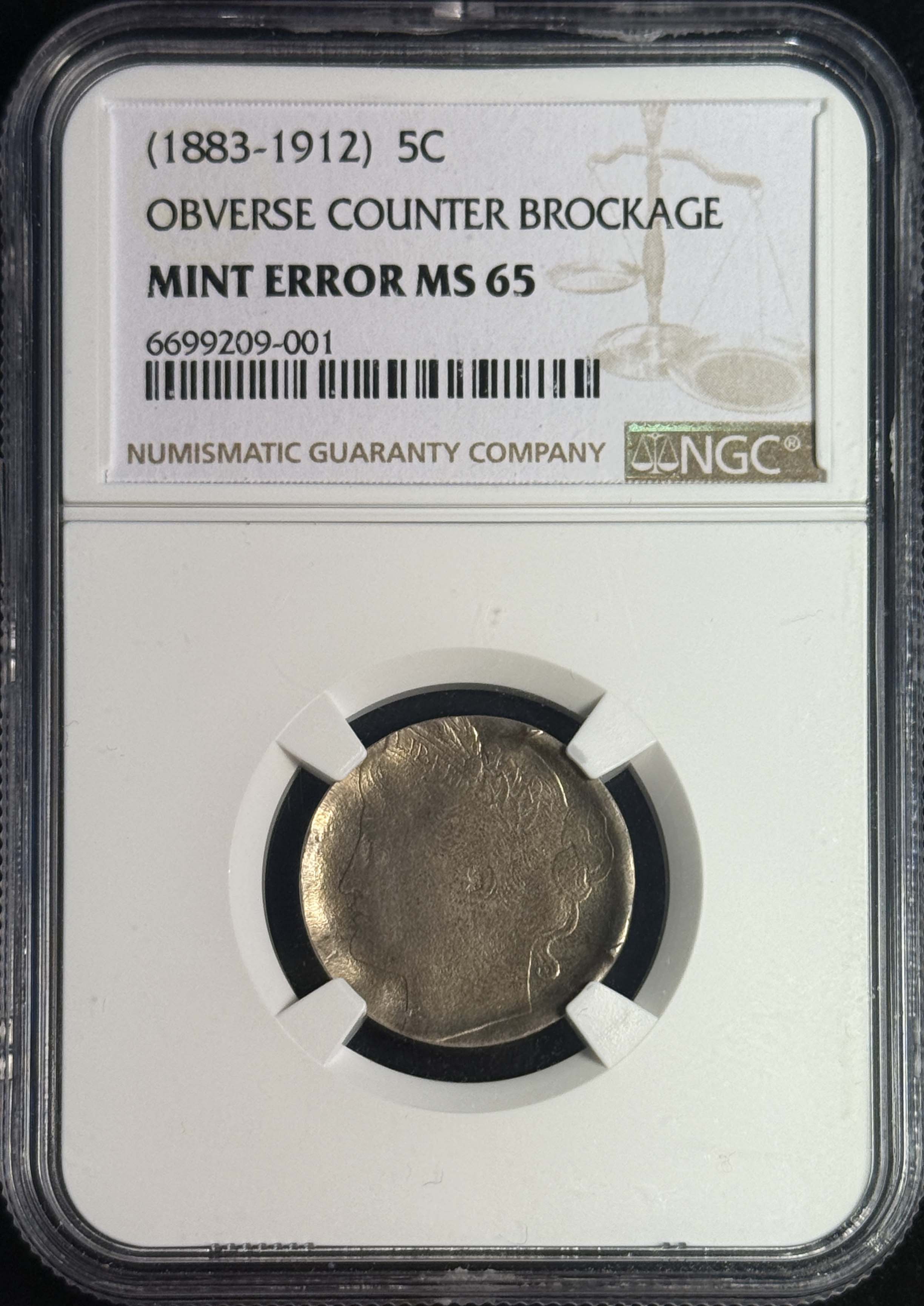
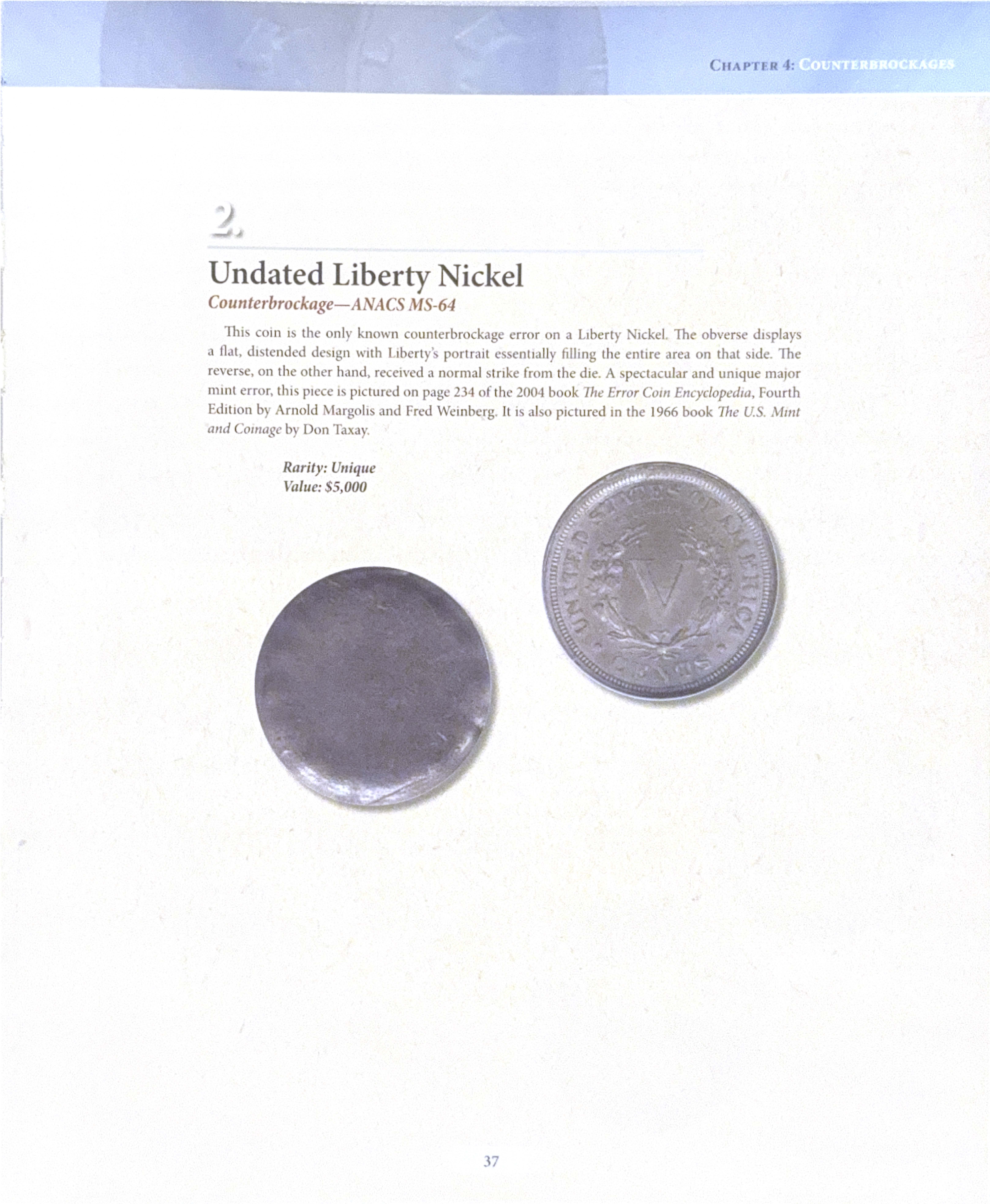
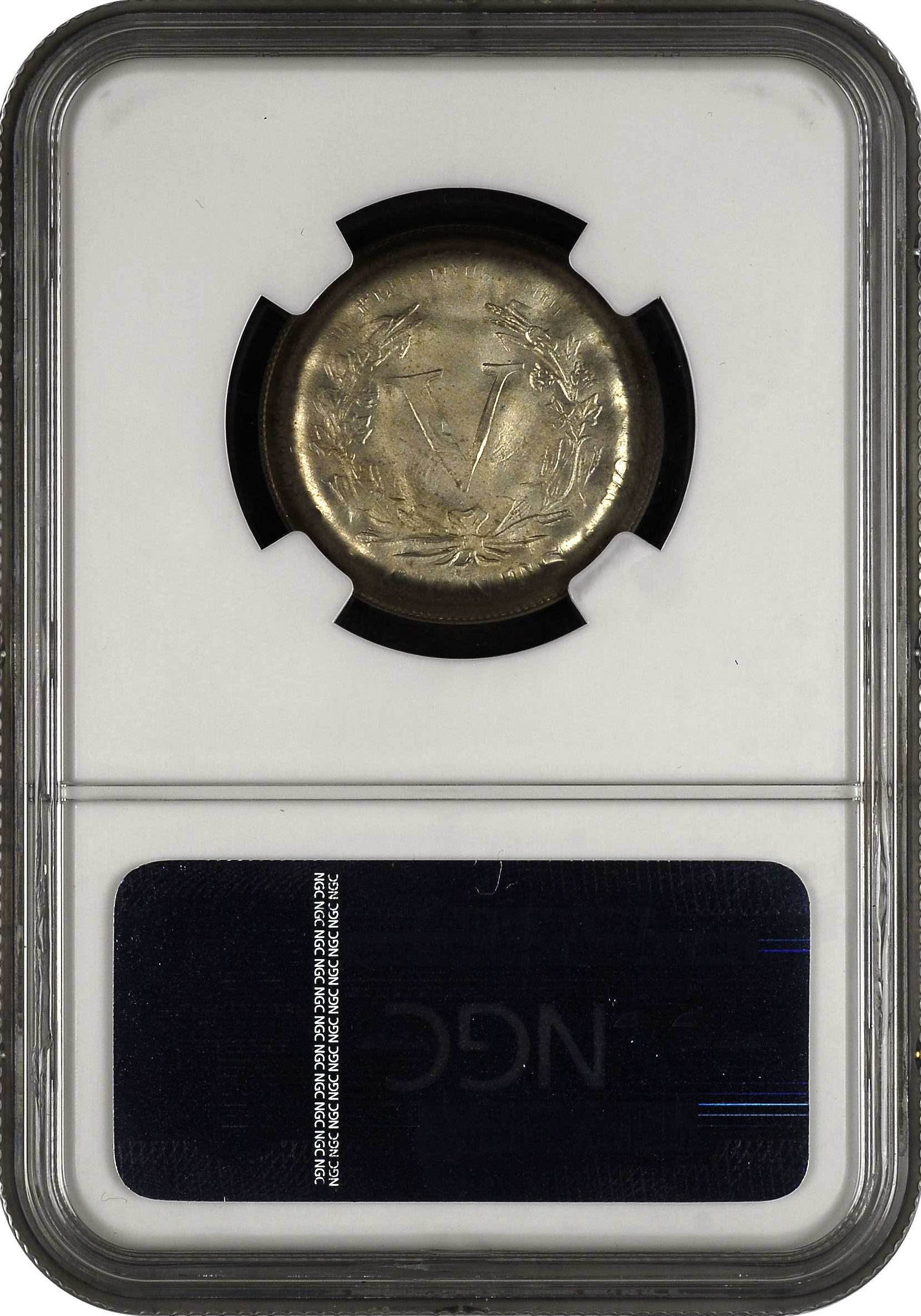
Now we can return to our example pictured here. This is the Liberty nickel counterbrockage. It's the only one known. I have heard rumor that there is a second counterbrockage like this one, though I have never seen any evidence of it. I've also heard rumor of the Easter Bunny, and Bigfoot... though I've never seen either in real life. If you ever happen to come across another Liberty nickel counterbrockage, be sure to let me know.
I grew up knowing that this existed, having seen ads for it in Mike Byers' catalogs and listings. But I never dreamed that I'd actually be able to own it. I would see listings come out, and note that the Liberty nickel counterbrockage was there, but I couldn't imagine being able to afford it, or being in a position where I was ready to buy it.
Suddenly, many years ago, the coin disappeared from Byers' listings. I assumed that I'd lost my chance and that it had been sold. Indeed, it had. It disappeared from the market for quite a while. I bought other coins to satisfy me in the meantime. Years later, I received an auction catalog from a major auction house, and in the auction catalog was a listing for this very coin. They didn't give it the weight that it deserved and they certainly didn't realize its rarity.
I thought, "I have to own that coin." I flew to the auction, placed a bid excitedly, and surprisingly won the coin for what I considered to be an extraordinarily low price. Other people in the auction were focused on other major errors in the same sale. Their attention was elsewhere. I had few other bidders bidding against me, and I bought the coin for an extraordinary price. I remember after the auction speaking with Fred Weinberg who was in attendance, and I mentioned that I'd bought the coin. He was very interested in it, but his attention too was distracted by other pieces in the auction that he had picked up or sold. He hadn't bid on the counterbrockage. I really lucked out if people who had been involved in errors for as long as I'd been alive had decided not to bid because they simply were selecting other things to put their money into.
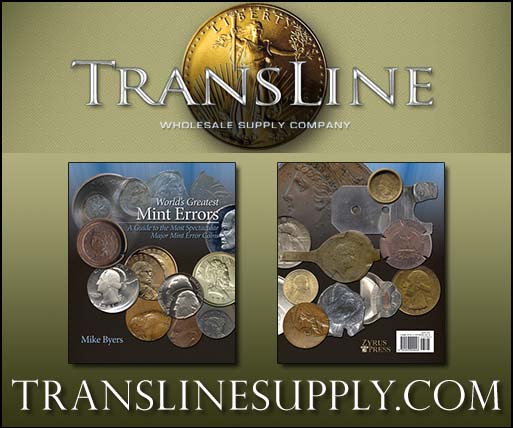
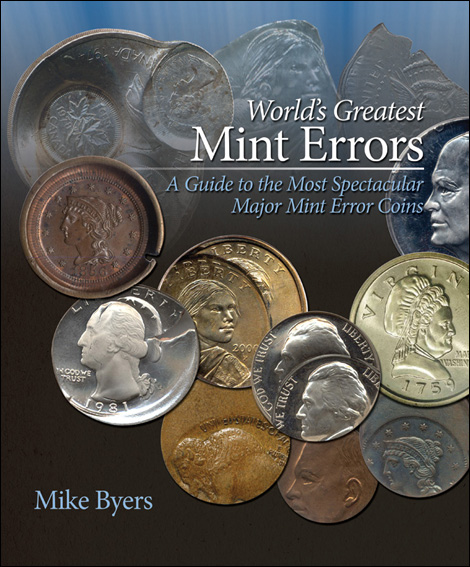
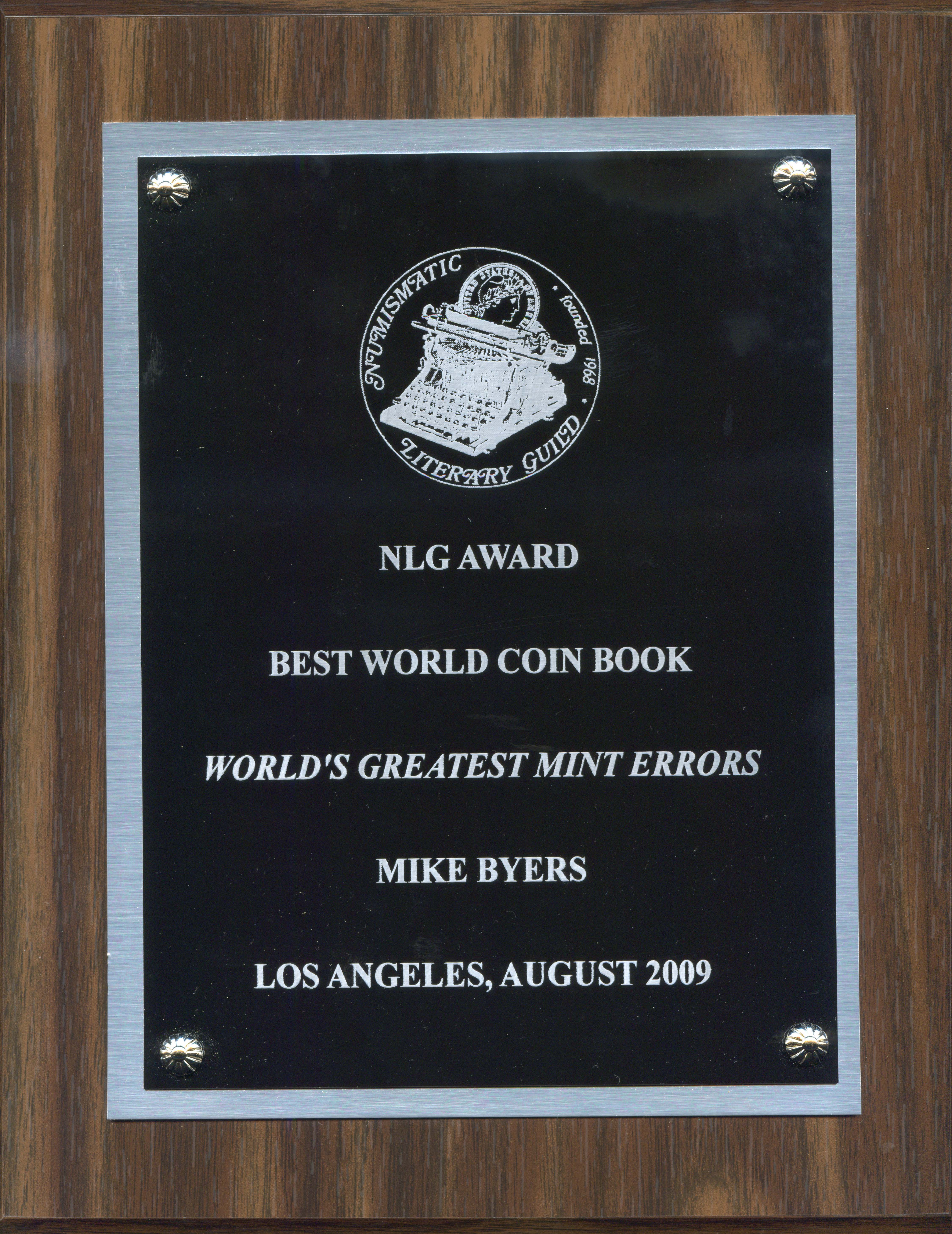
I excitedly flew the coin home, had it reslabbed by NGC, and it came back perfectly graded as an MS65. We see on this coin an obverse with that greatly expanded design which I discussed earlier. This is a unique and famous obverse counterbrockage that was plated in Mike Byers' NLG Award winning book, World's Greatest Mint Errors. ANACS certified this mint error in 2000 as a Mint State 64 and Mike Byers put a value of $5,000 in his book when it was published in 2009. The error coin market has vastly changed and today Byers values it at $20,000. It is still considered unique.
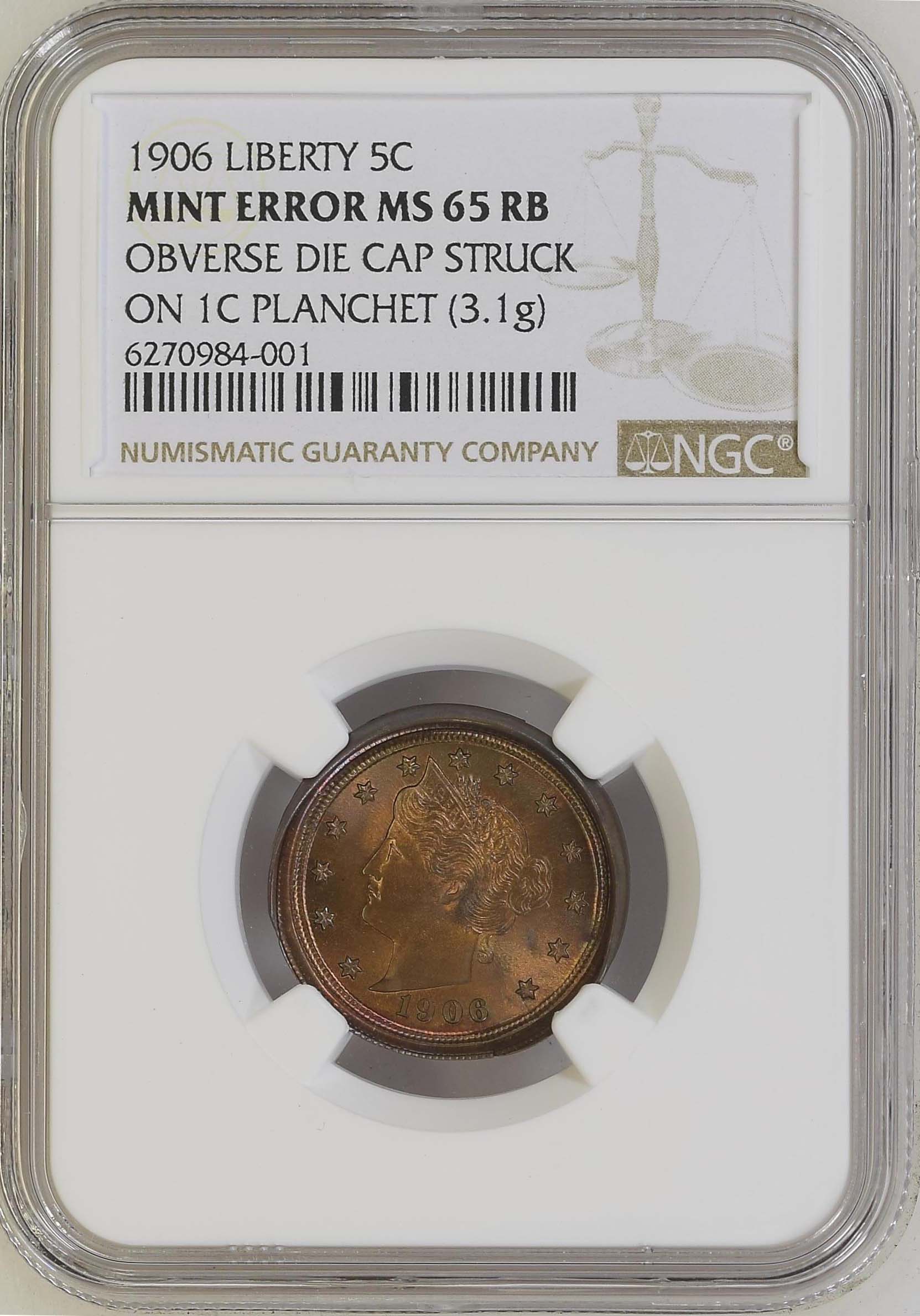
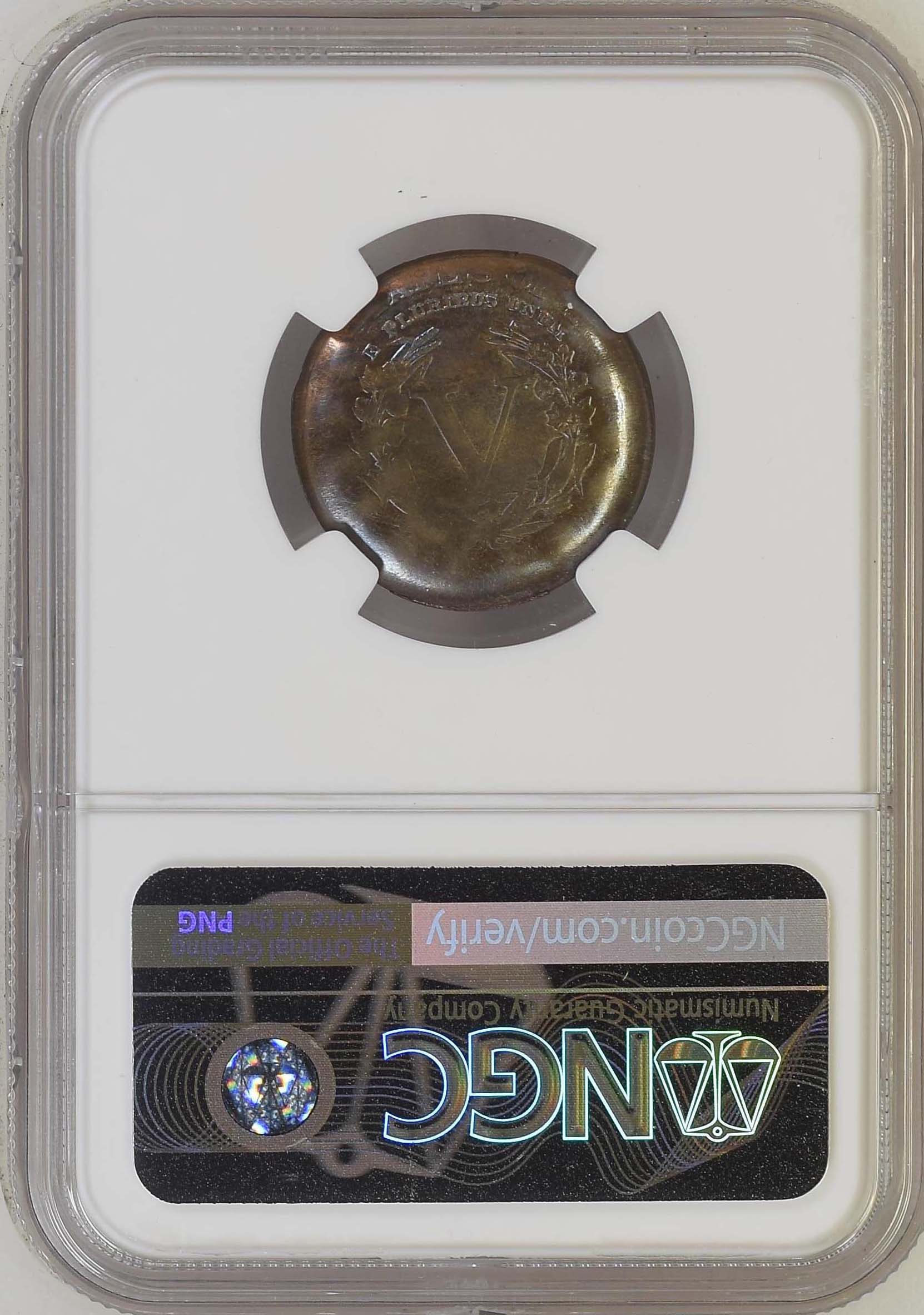
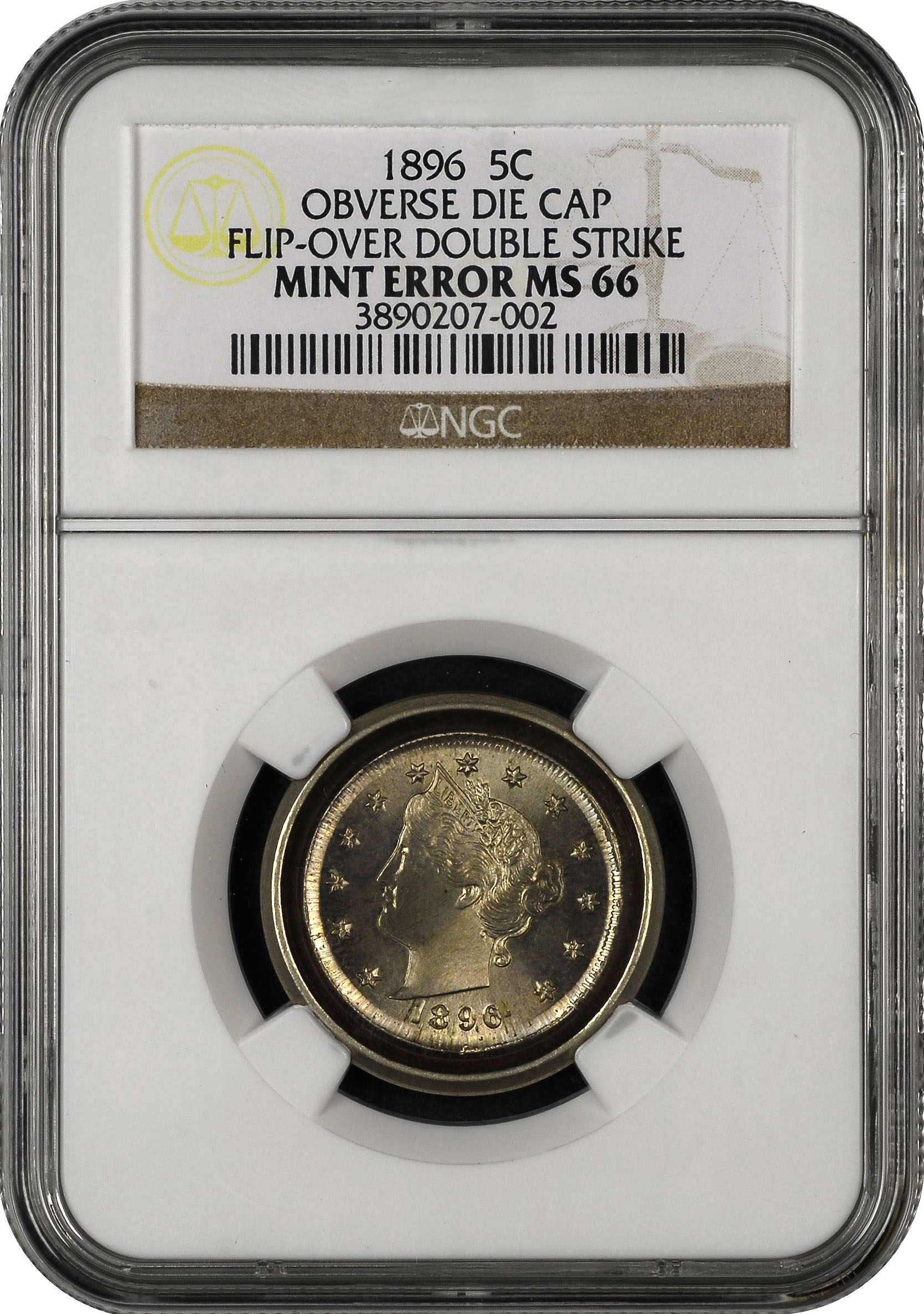
This coin has some very cool cousins. I really enjoy early major U.S. type errors and my mind immediately goes to the two unique Liberty Head nickel die caps that Mike Byers now has for sale. His 1906 Liberty Head nickel obverse die cap that was struck on a 1C planchet NGC MS 65 RB is one of my favorites. It has a pedigree of ex Fred Weinberg, Mark Lighterman, and Byers himself. Also, he has an incredible 1896 Liberty Head nickel obverse die cap flip-over double strike NGC MS 66. Perhaps I should set my bar higher and aim for one of those as my new ultimate desired treasure.
Perhaps I will find my way to one of them, or, as was the case with this counterbrockage, perhaps one of them will find its way to me someday! If you have any questions about this piece, please let me know. You can always reach me at minterrors@gmail.com.
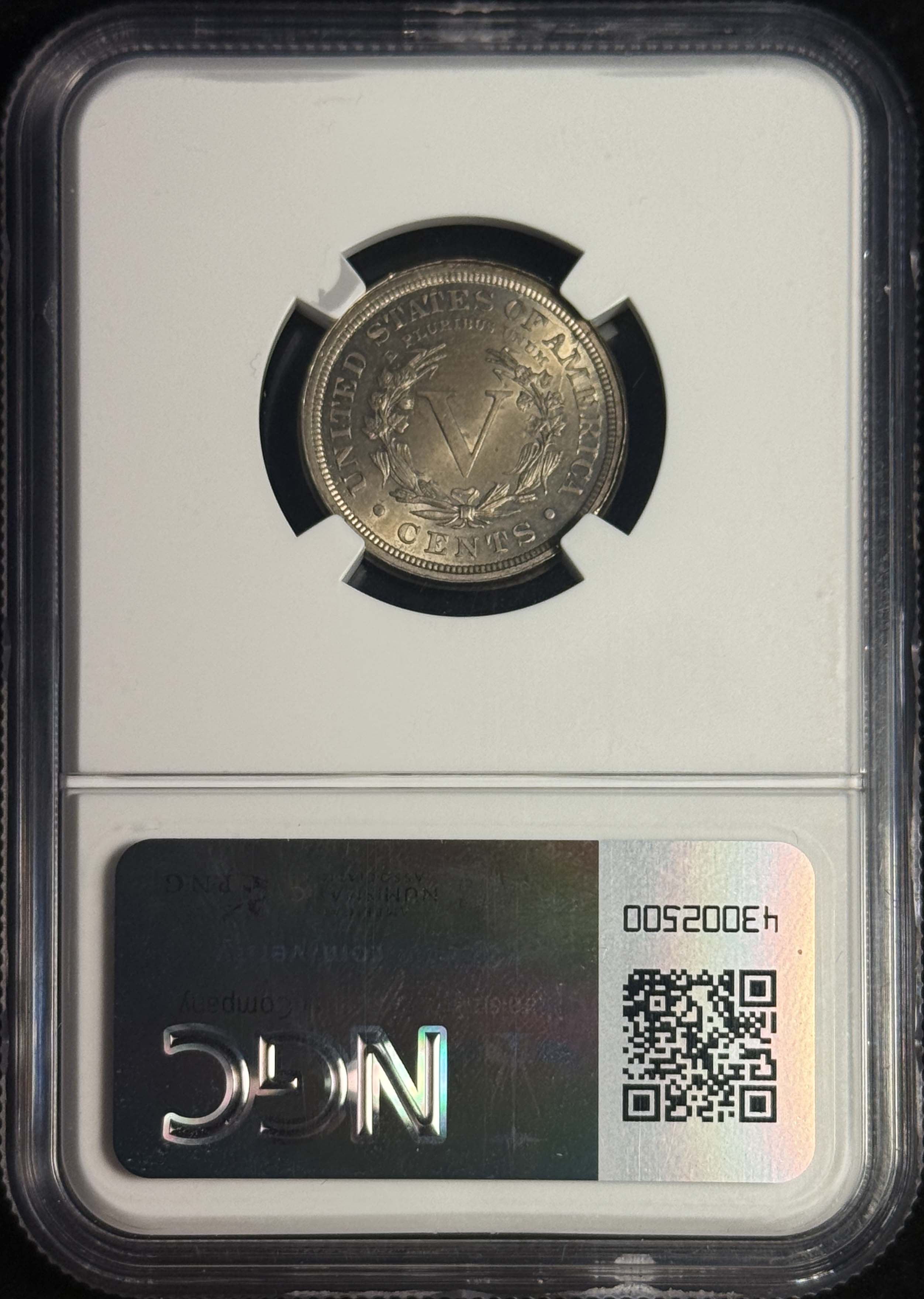
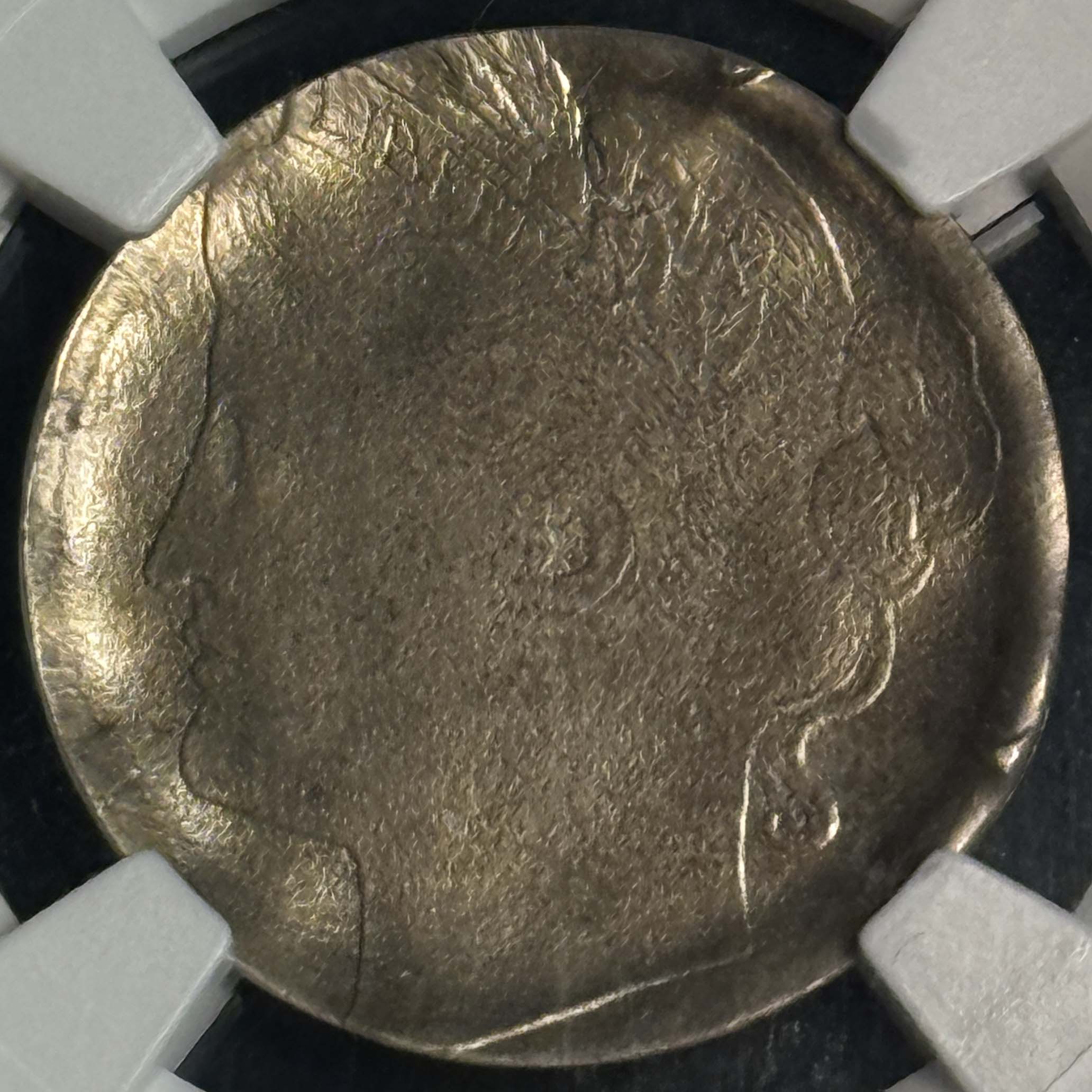
This counterbrockage Liberty nickel is featured in
Mike Byers' NLG Award winning book,
World's Greatest Mint Errors.
1906 Liberty Head Nickel
Obverse Die Cap
Struck on 1C Planchet
NGC MS 65 RB
ex Fred Weinberg, Mark Lighterman, Mike Byers
UNIQUE
Click for more info...
1896 Liberty Head Nickel
Obverse Die Cap
Flip-Over Double Strike
NGC MS 66
UNIQUE
Click for more info...