Error coins with copper, reddish and orange surfaces are classified as Improperly Annealed by grading companies. It occurs during the planchet preparation process. In the past they had predominately been classified as Copper Wash and Stintered Planchets. New collectors commonly confuse these errors as toned coins, or coins missing their clad layer.
These planchet errors are underrated and underappreciated. Improperly annealed coins can be absolutely stunning and individually unique.
The annealing process at U.S. Mints (this also includes World Mints) takes place during the planchet preparation process. Because annealing involves an oven, this means extreme heat. Extreme heat increases the kinetic energy of metal atoms. It causes atom migration due to intense vibration through a process called atomic diffusion. It primarily occurs on copper-nickel and copper clad coins. Prolonged exposure to extreme heat is the primary reason for Improperly Annealed error coins.
Here, I present a varied group of error coins from my personal collection both certified and raw.
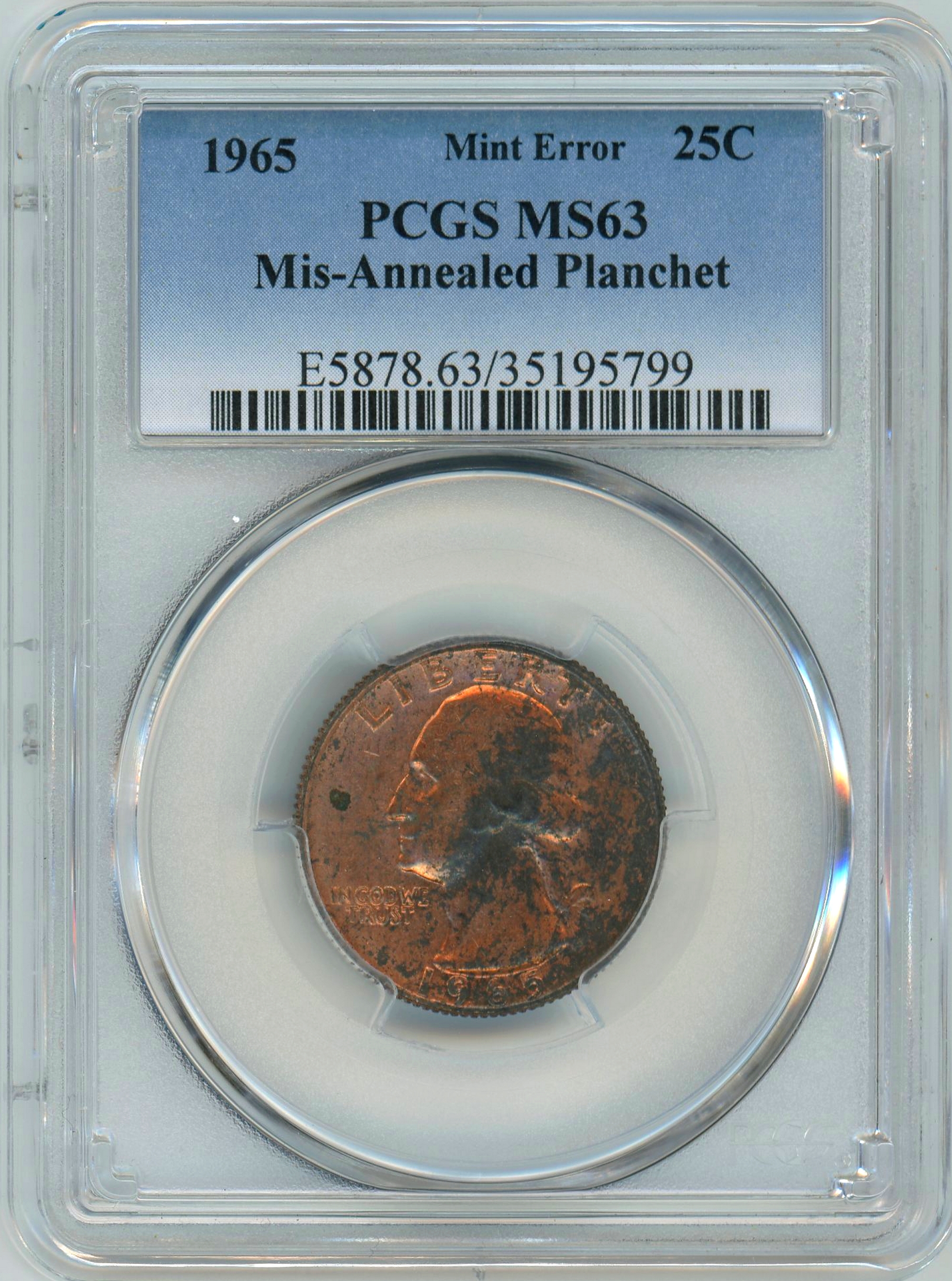
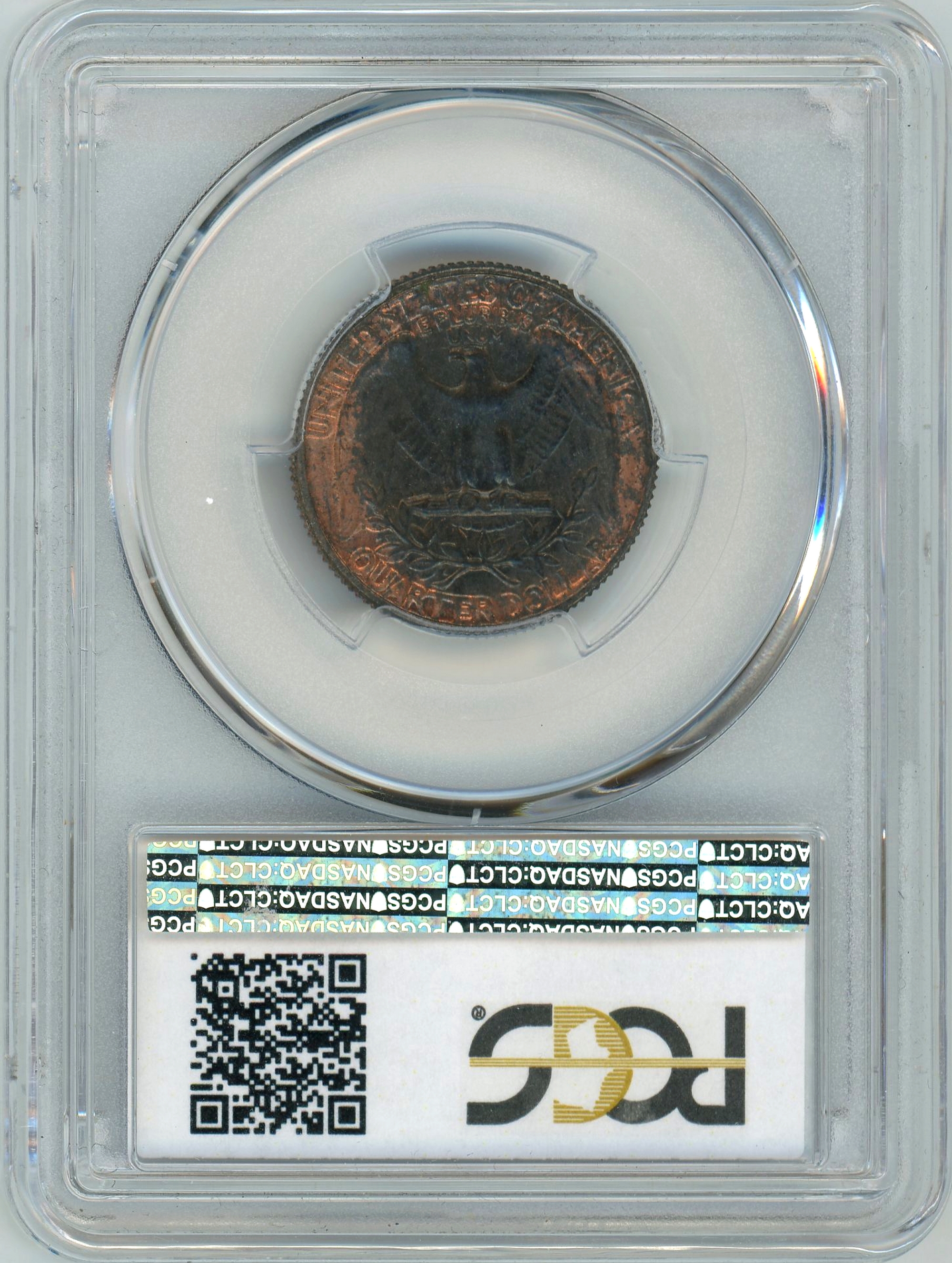
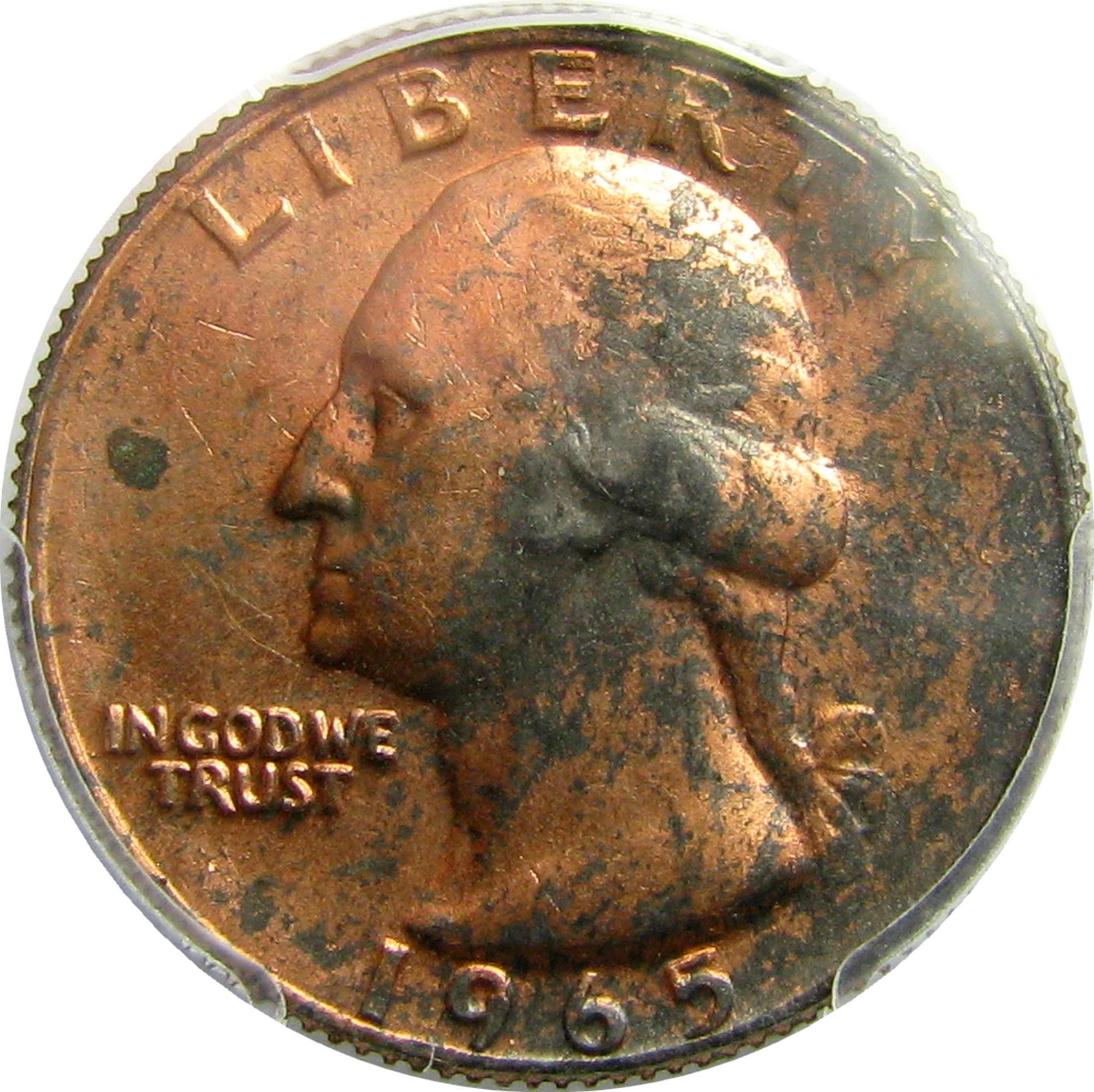
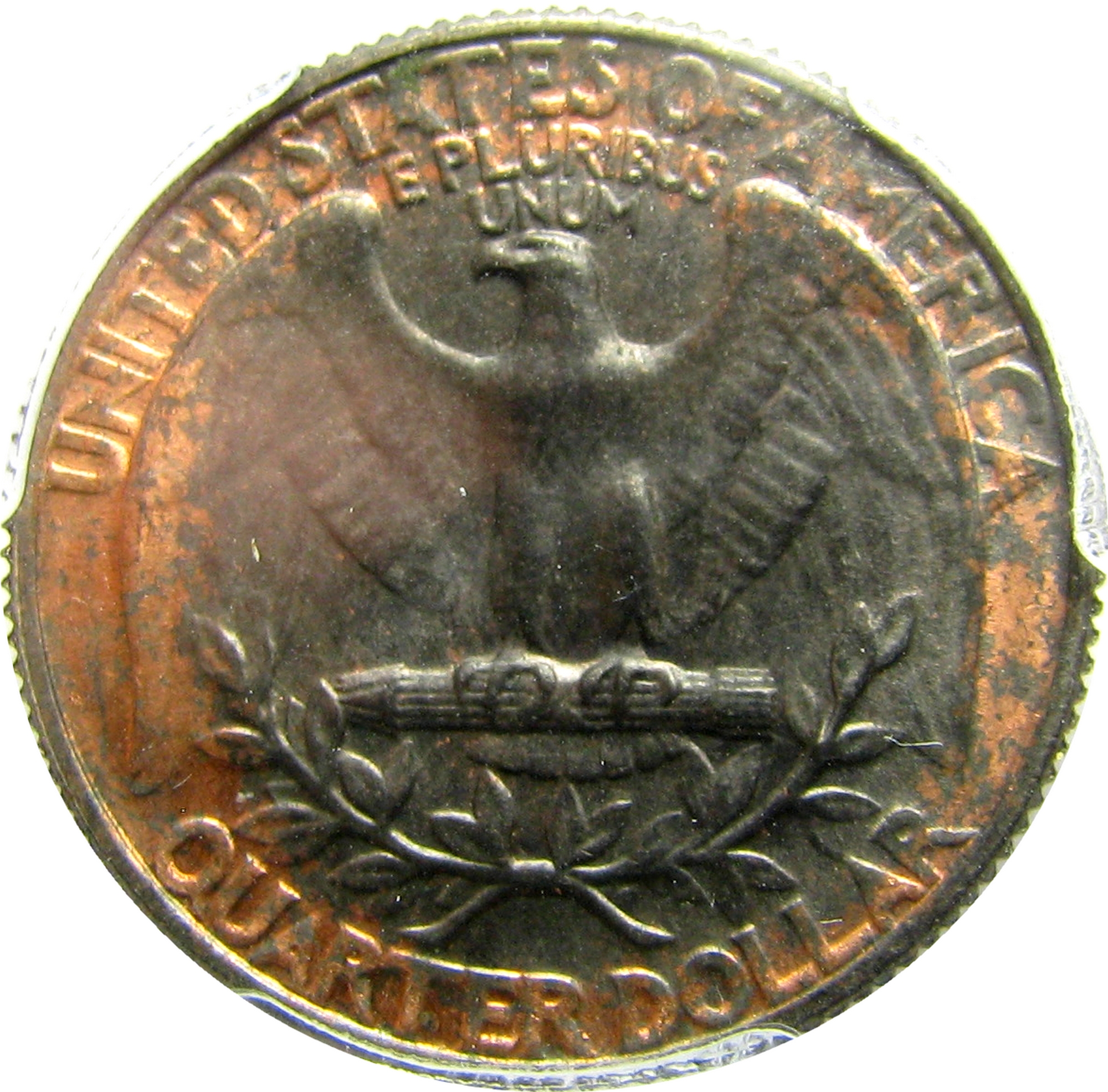
A 1965 25¢ Washington Quarter certified and graded MS63 by PCGS, it is a fascinating example for the first year of U.S. clad coinage. It displays a reddish, orange copper color on both faces with streaks of black. An attractive central bulls eye on the reverse is present. NOTE: Specimens which are completely black are often called Black Beauties.
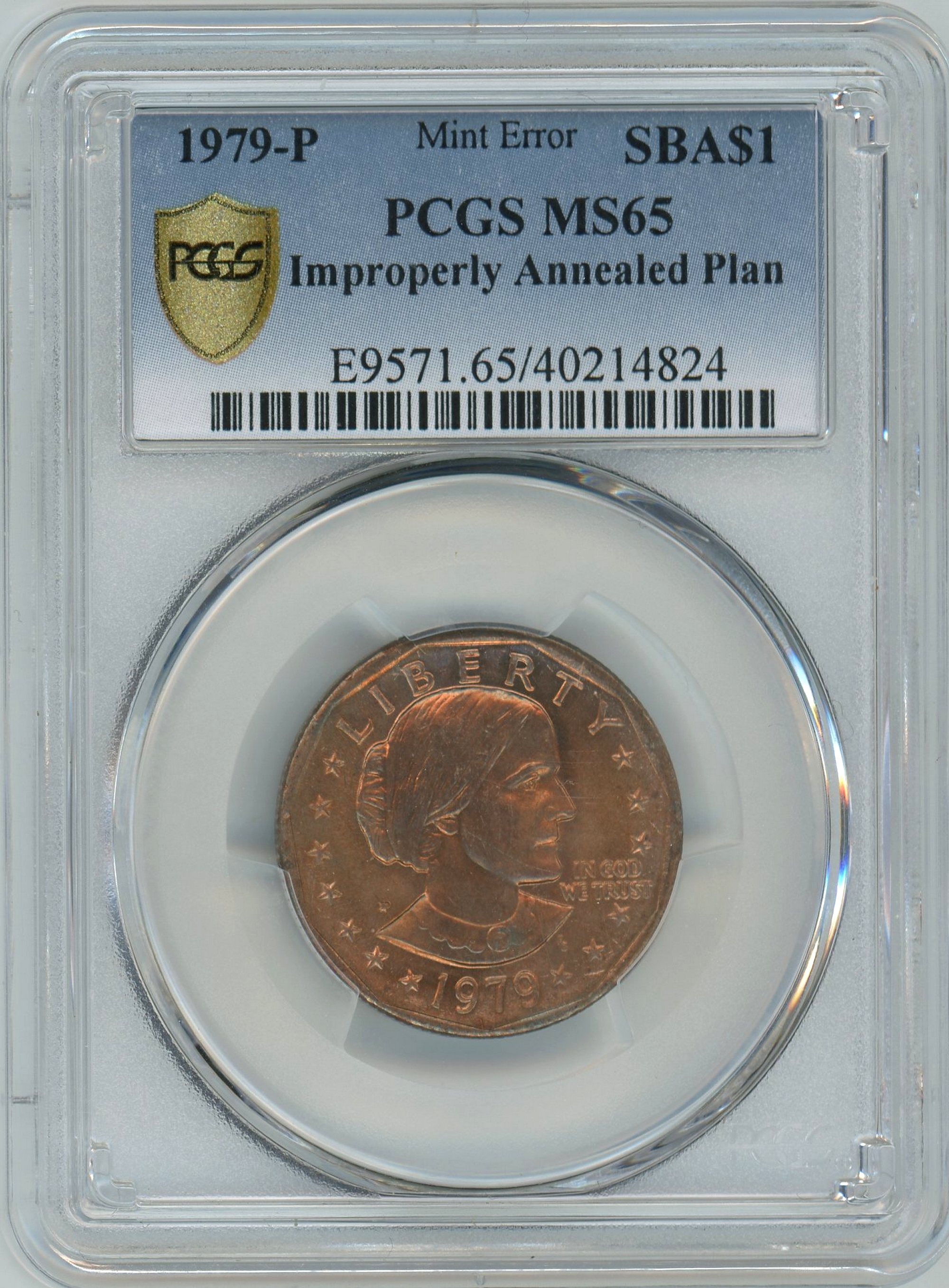
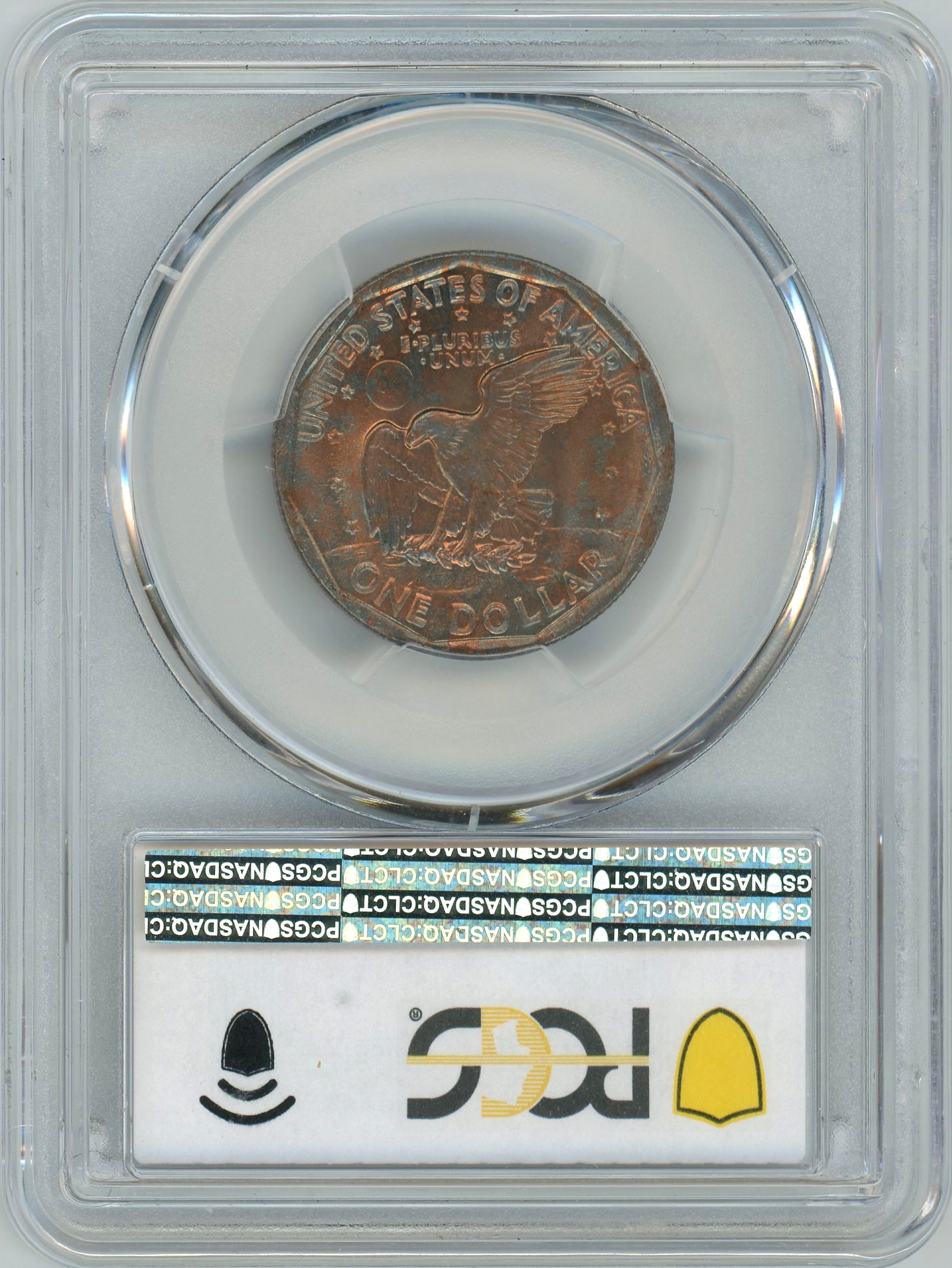
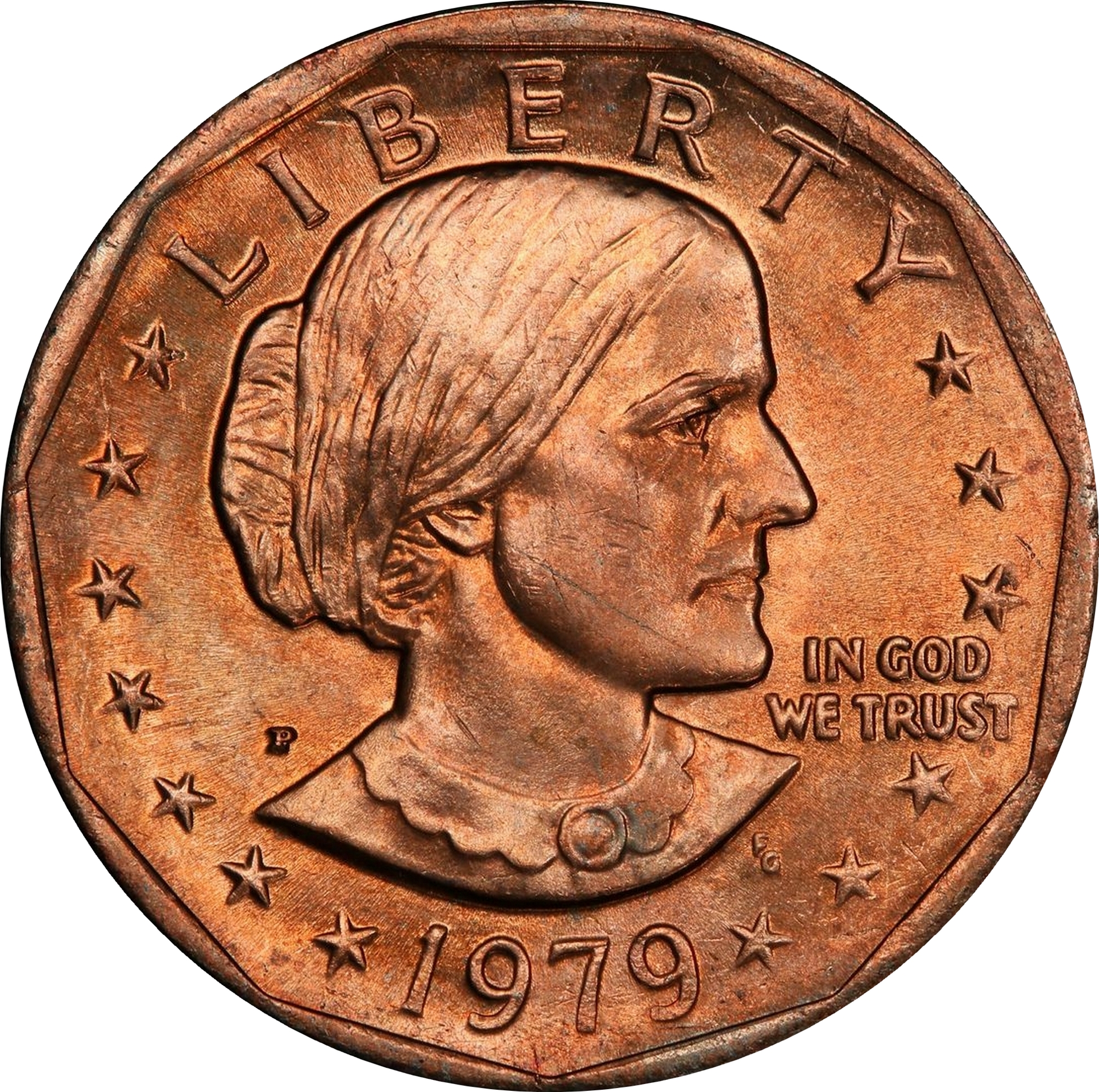
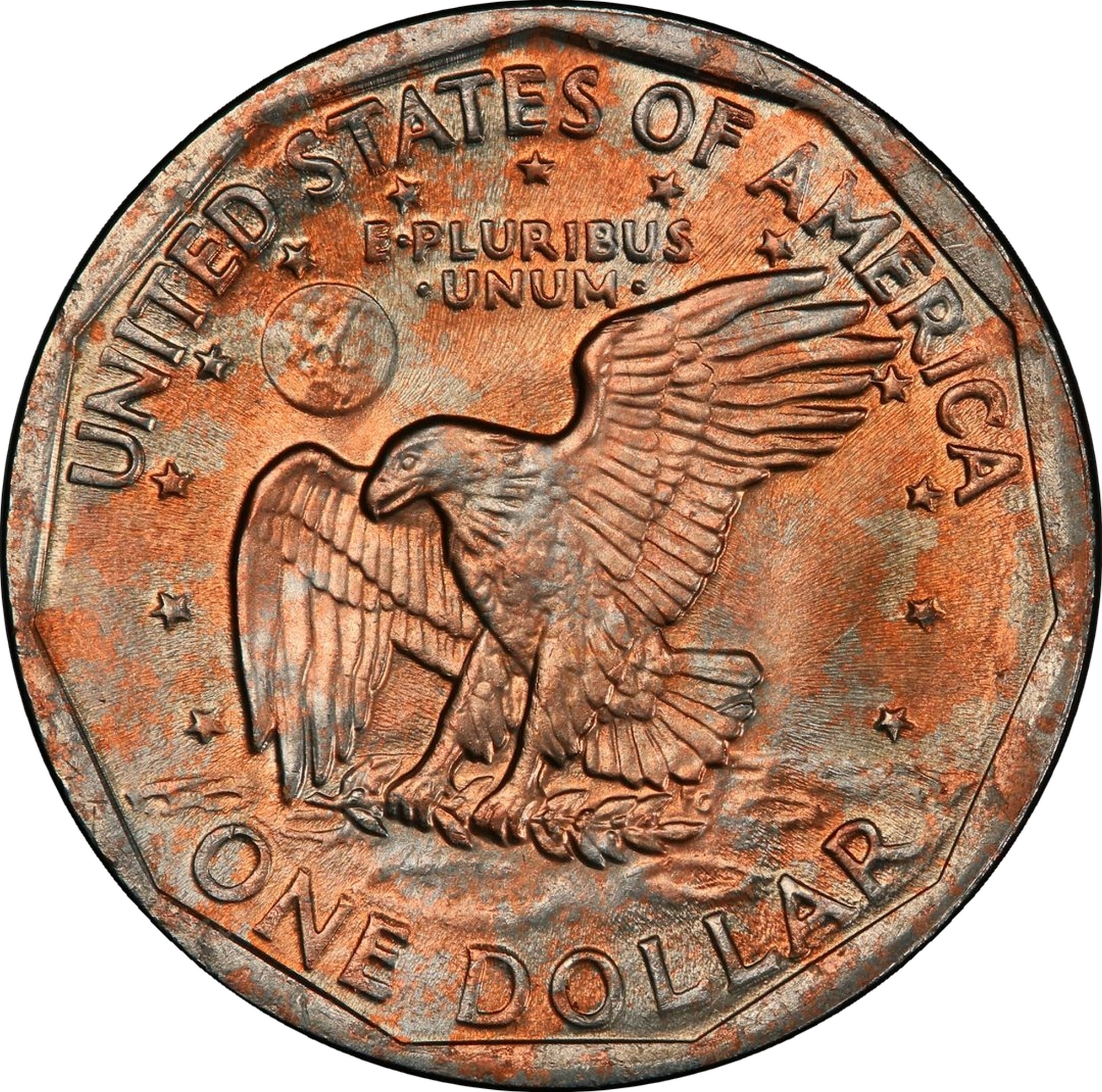
Next is a 1979-P $1 Susan B. Anthony certified and graded MS65 by PCGS. Both the obverse and reverse are 100% affected with radiant eye-popping colors. Note worthy is that this coin is the first year for the SBA series.
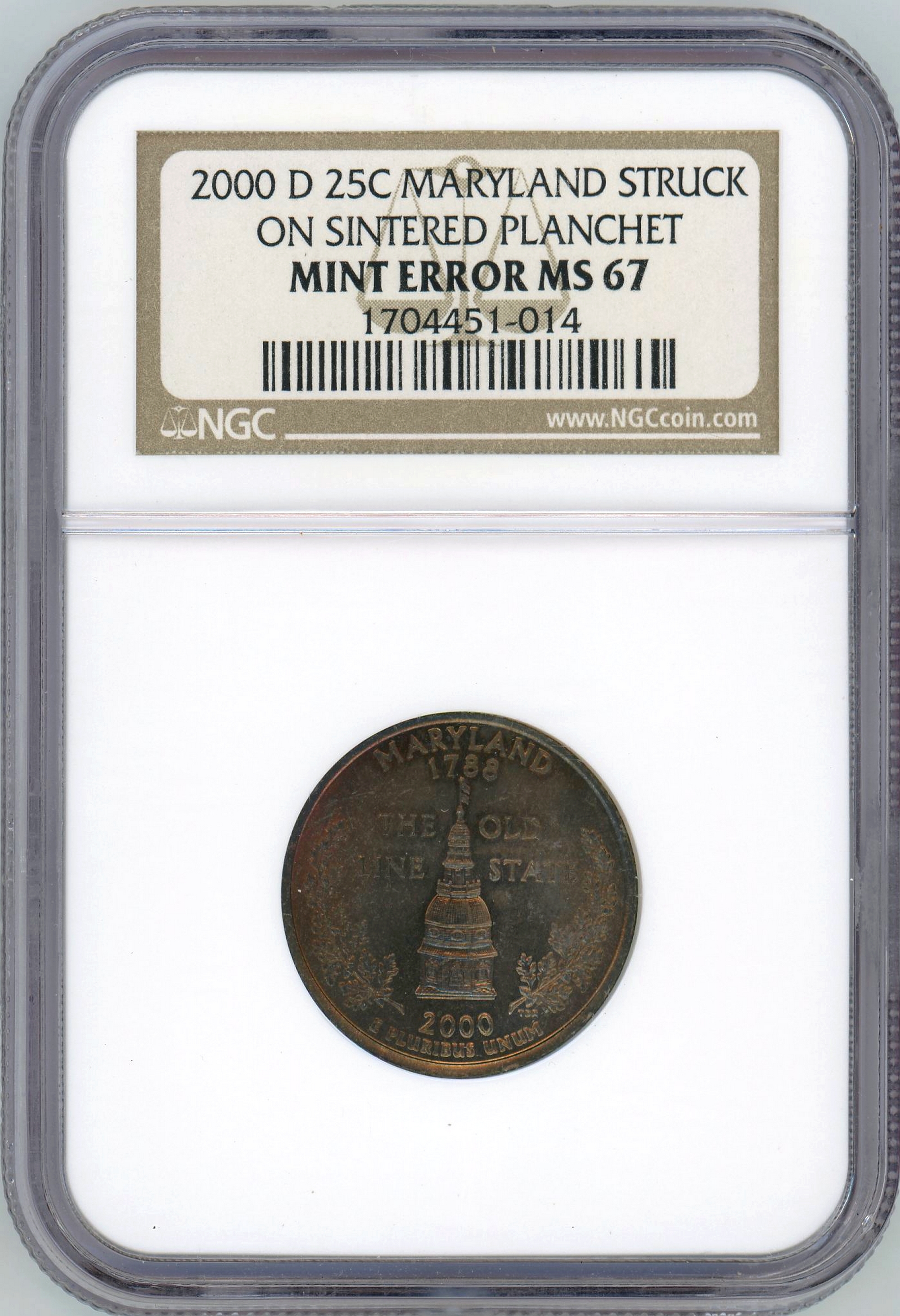
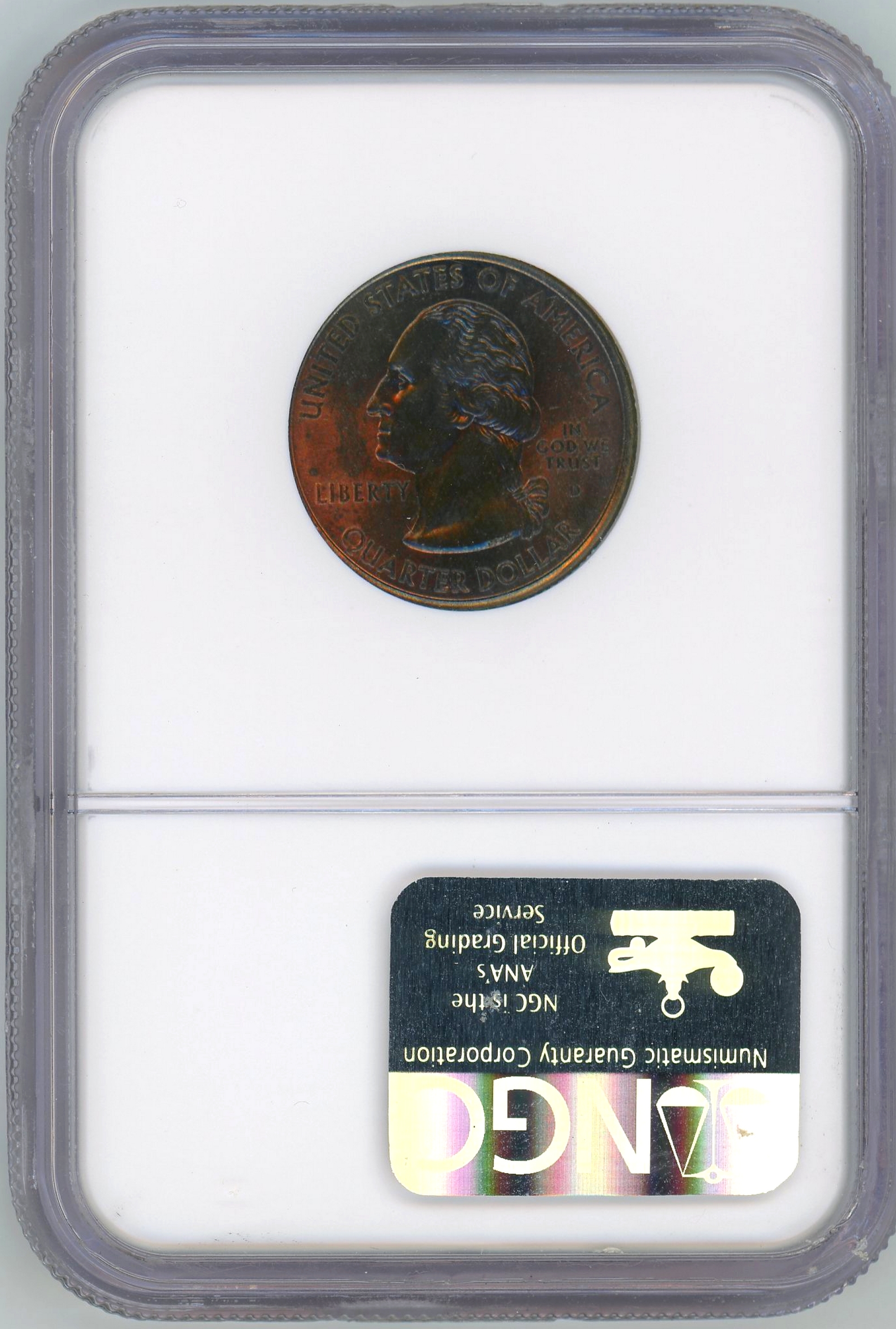
Next is a 2000-D 25¢ Maryland State Quarter certified and graded MS67 by NGC. I've not seen any other Improperly Annealed State Quarters grading higher. Both the obverse and reverse display smoky red, purple, black and gun metal gray shades. Note the thick NGC older generation capsule annotates "Stintered Planchet" on the tag.
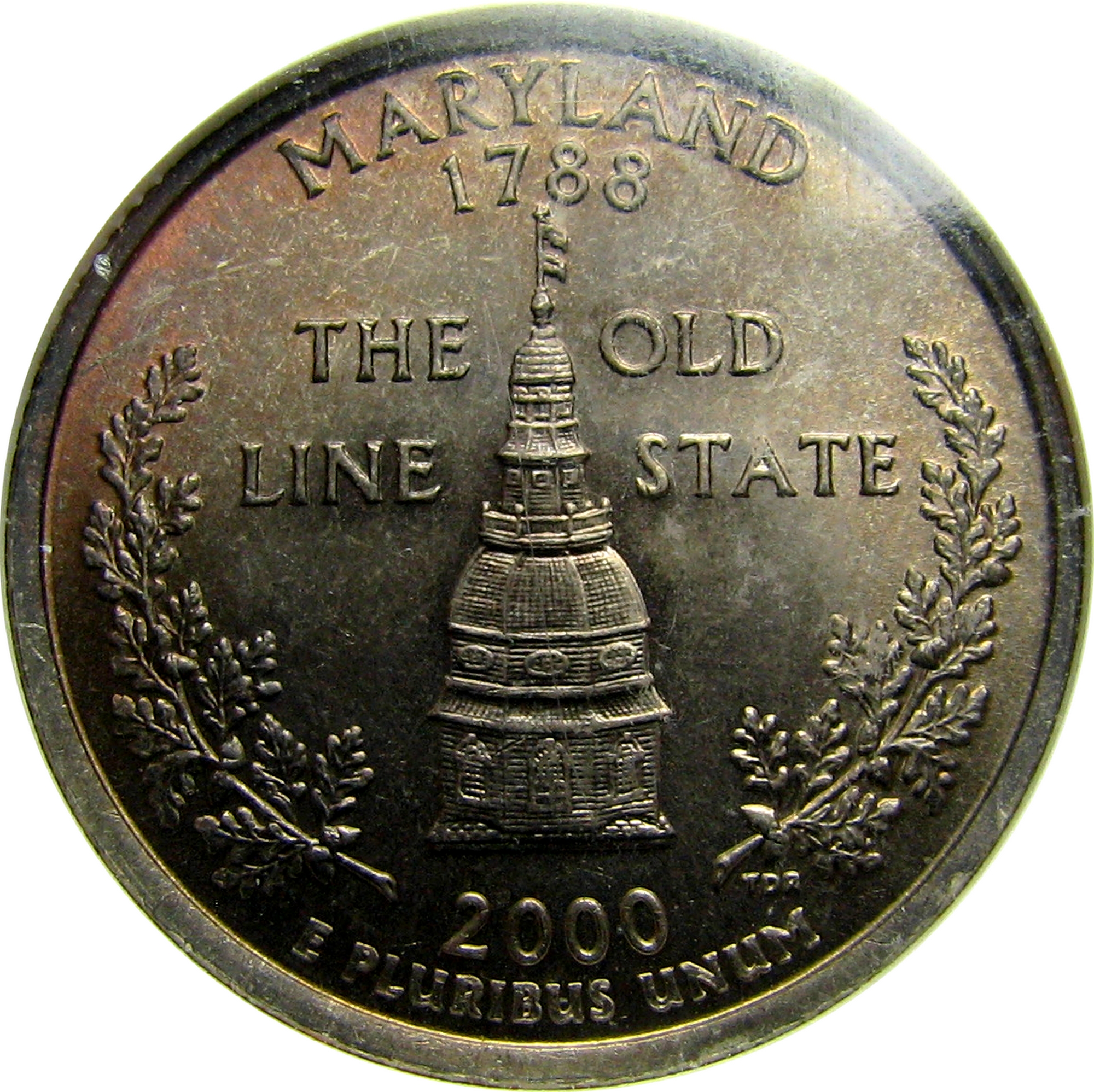
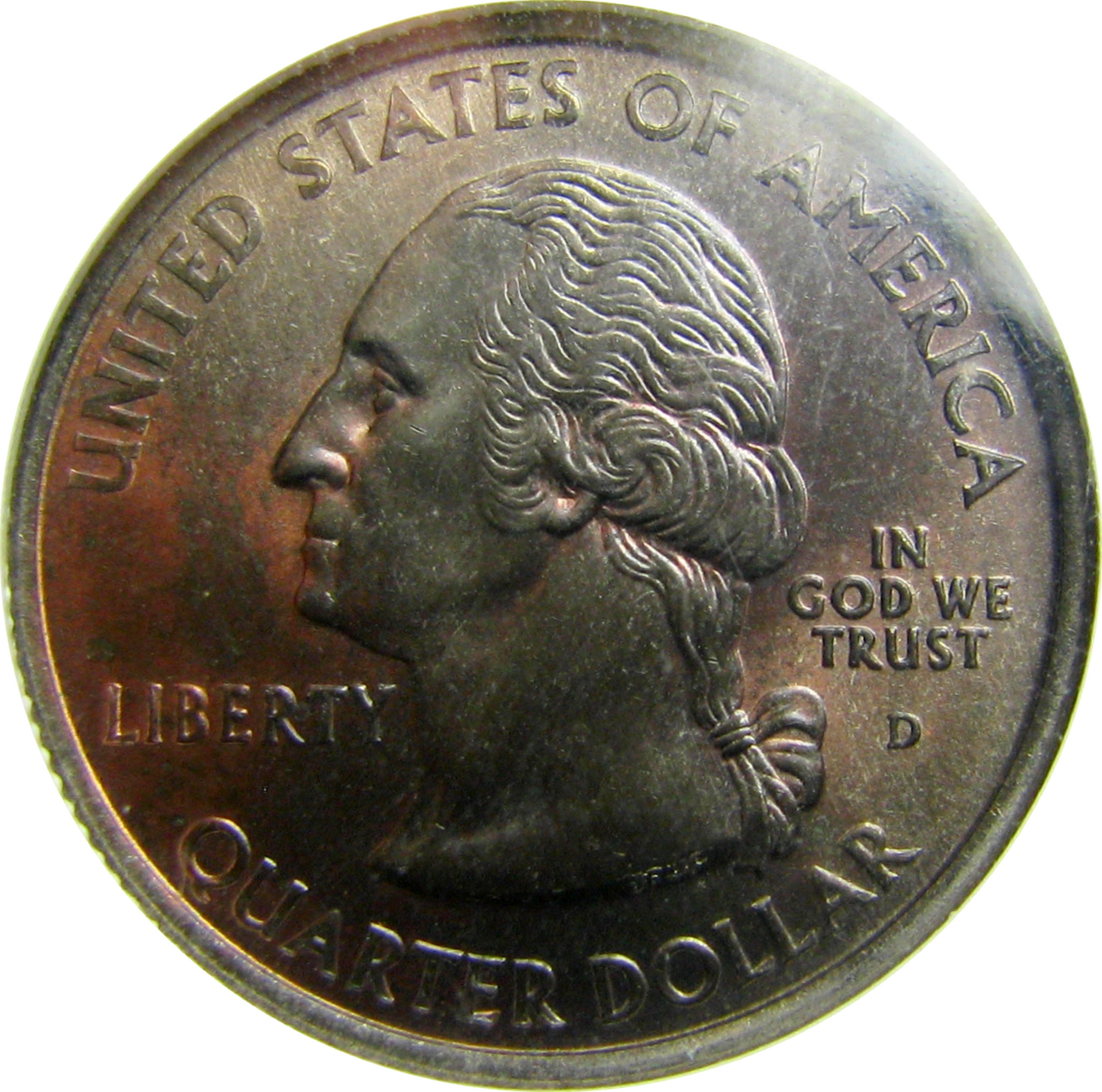
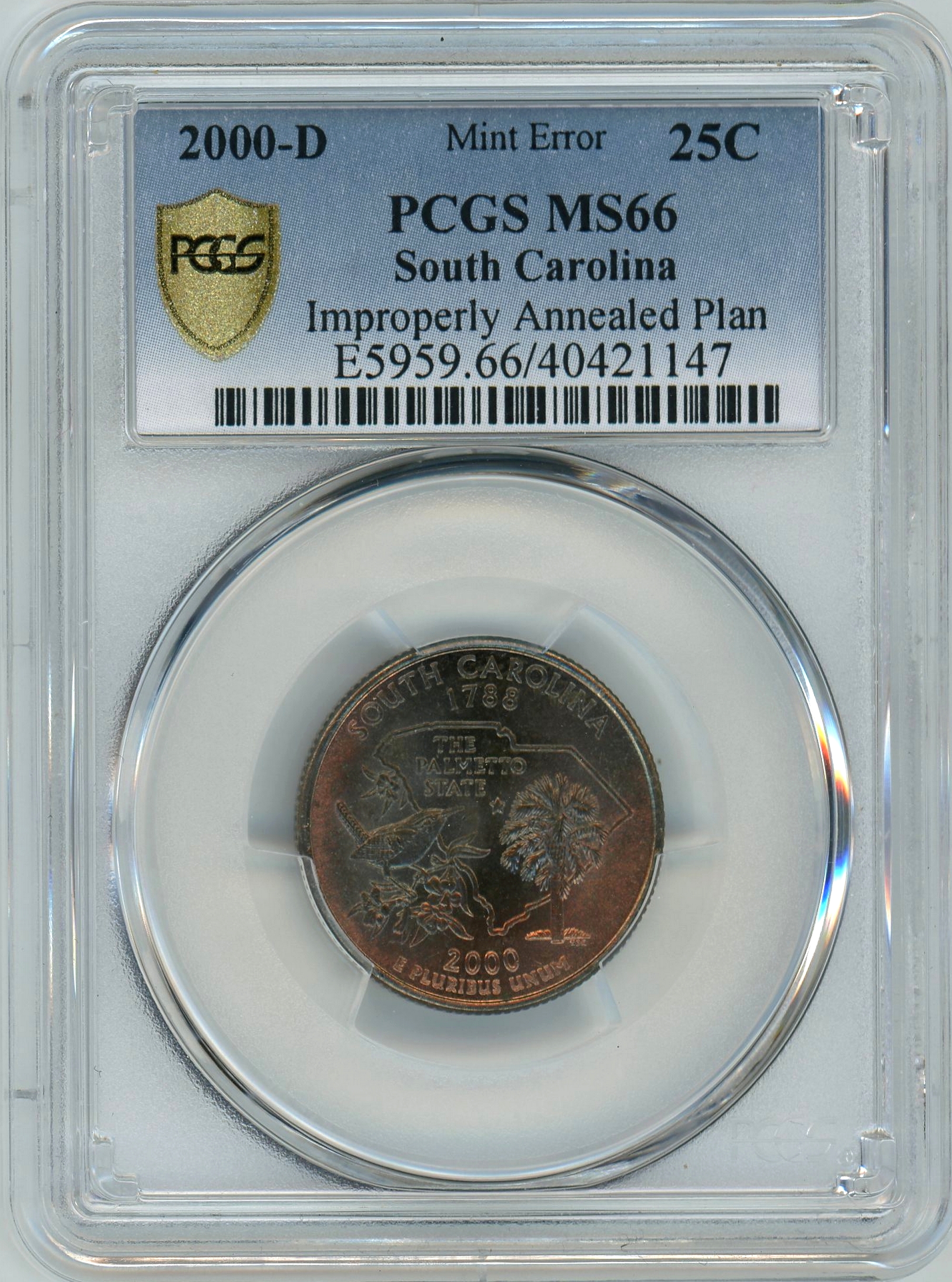
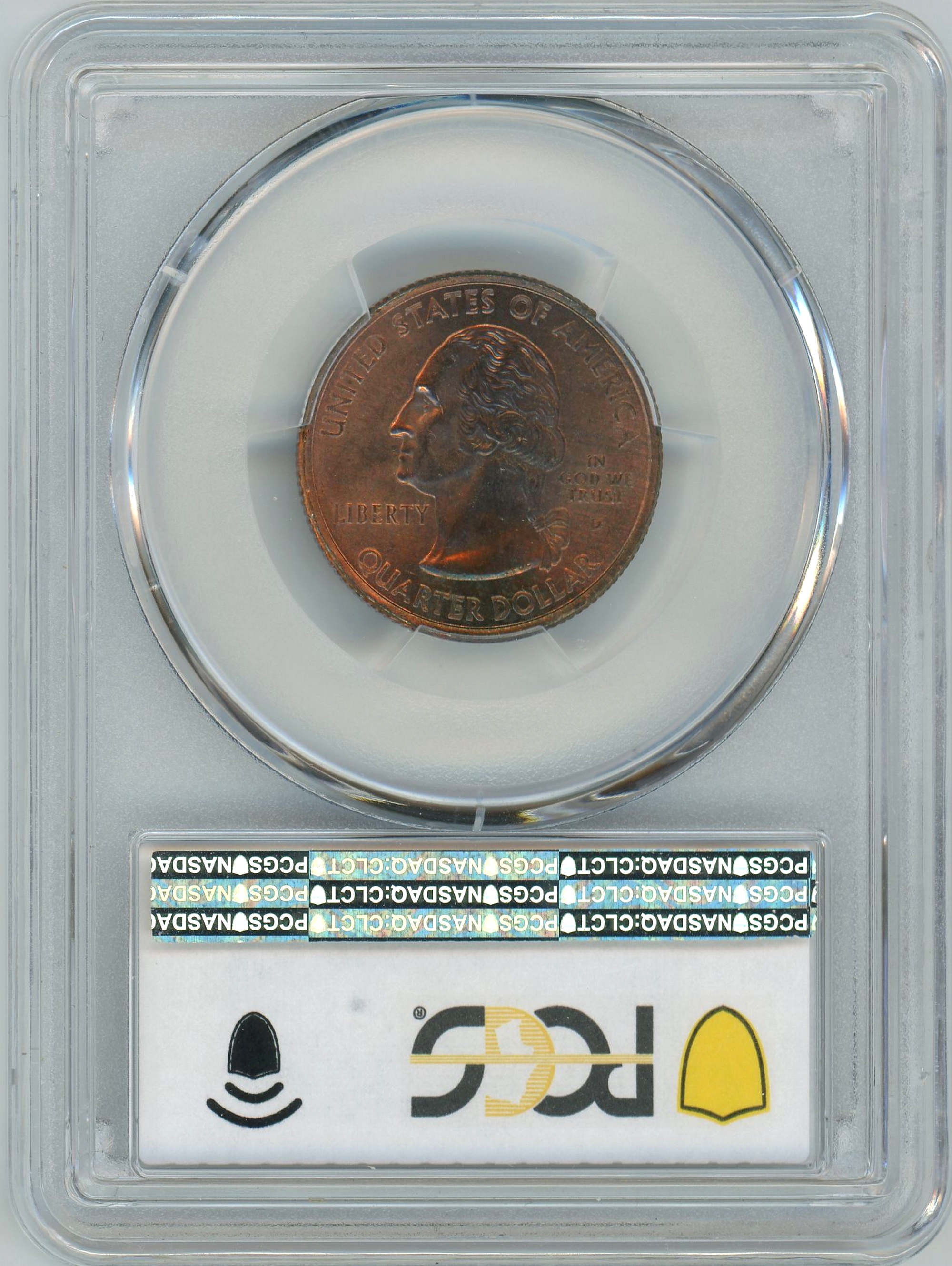
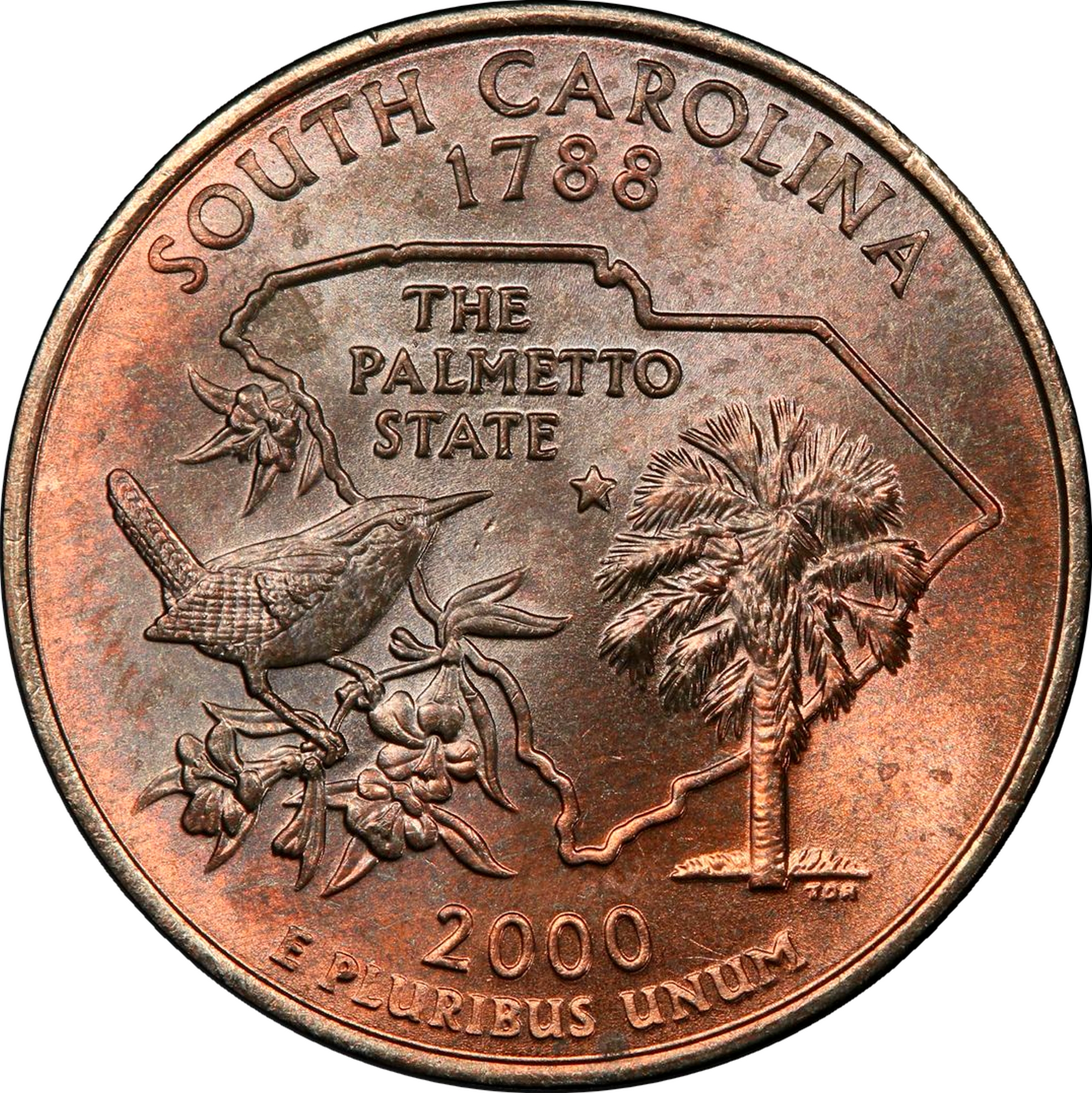
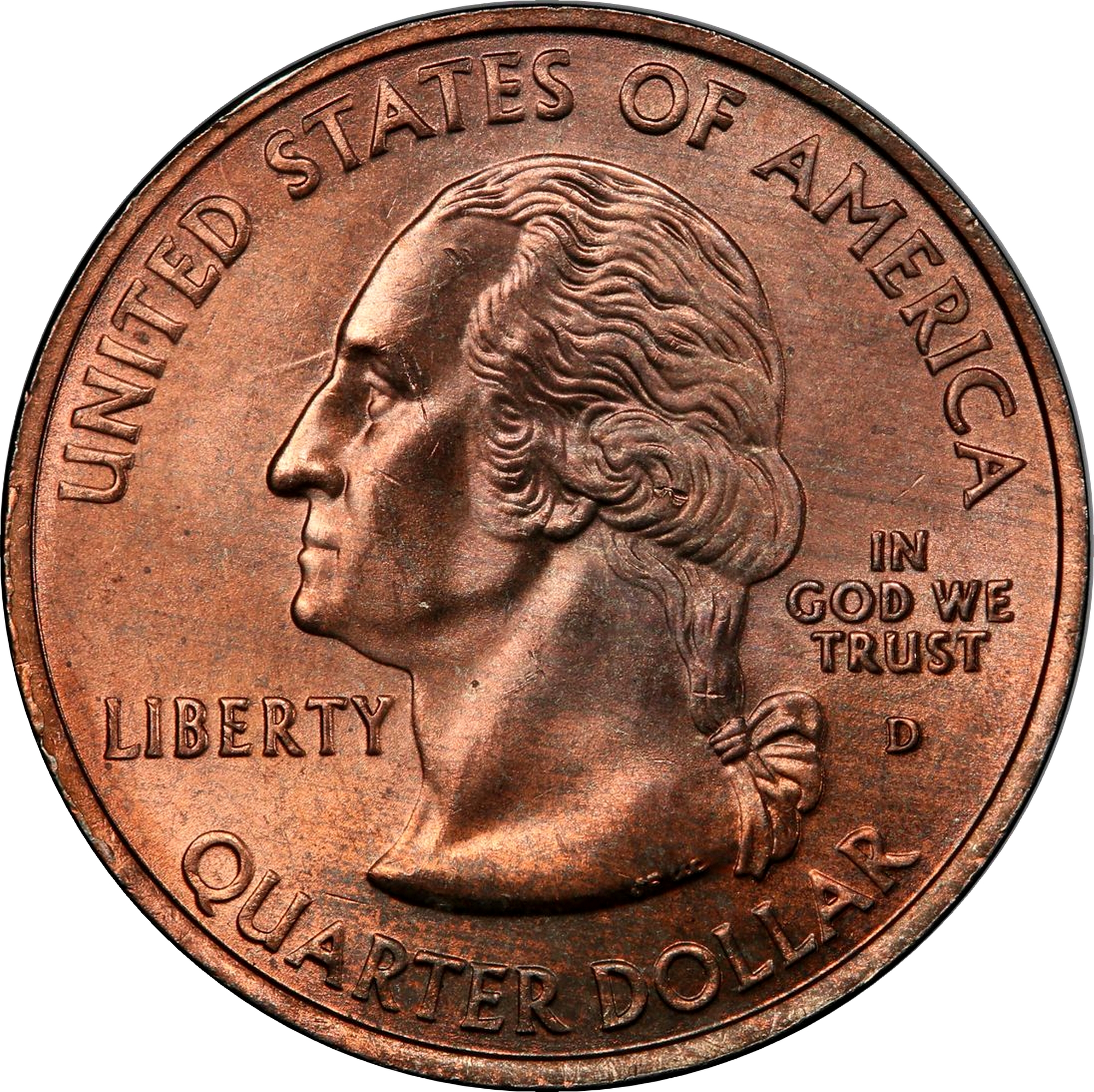
Next is a 2002-D 25¢ South Carolina State Quarter certified and graded MS66 by PCGS. Both the obverse and reverse show desirable red shades with hints of purple and black.
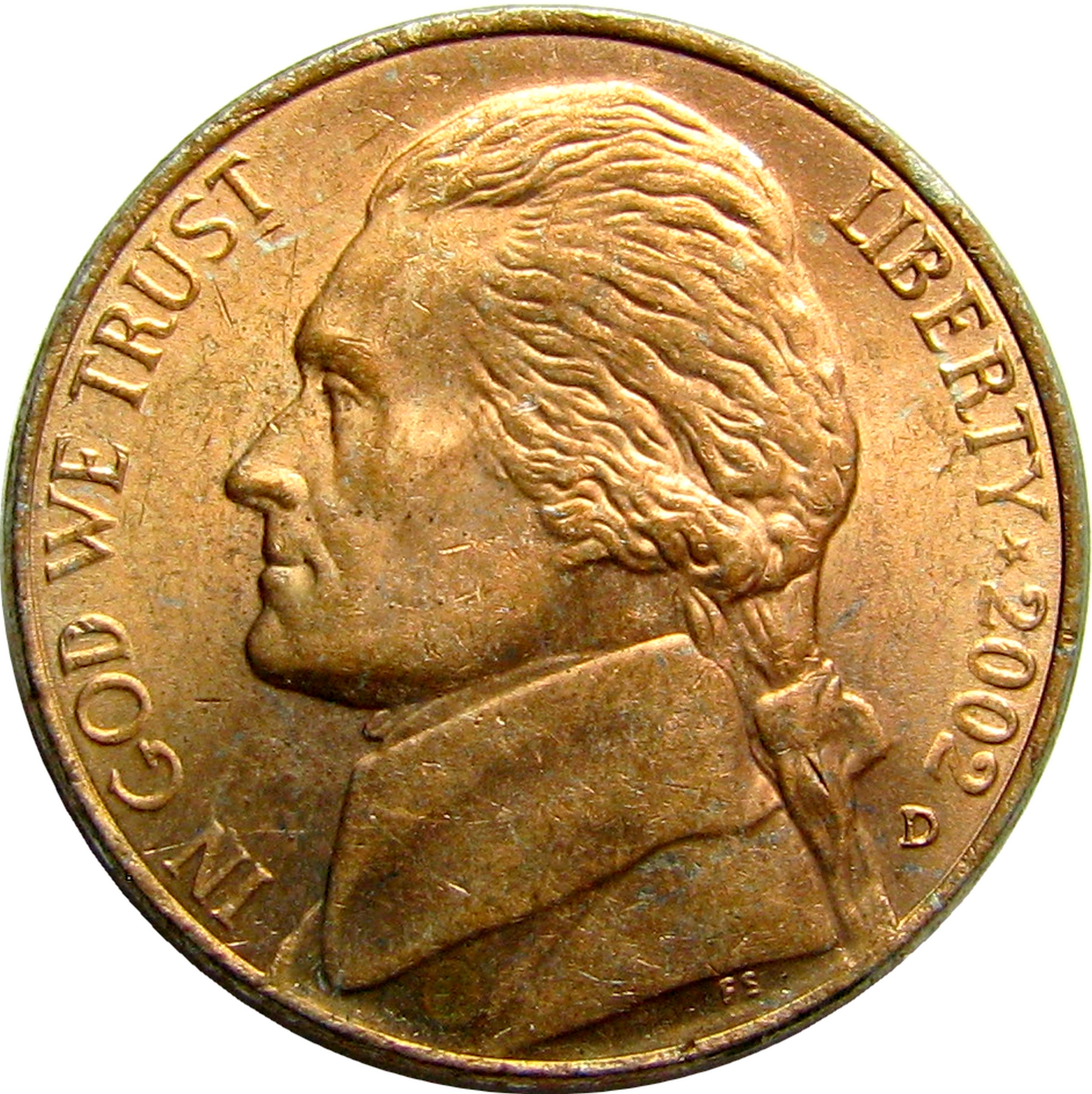
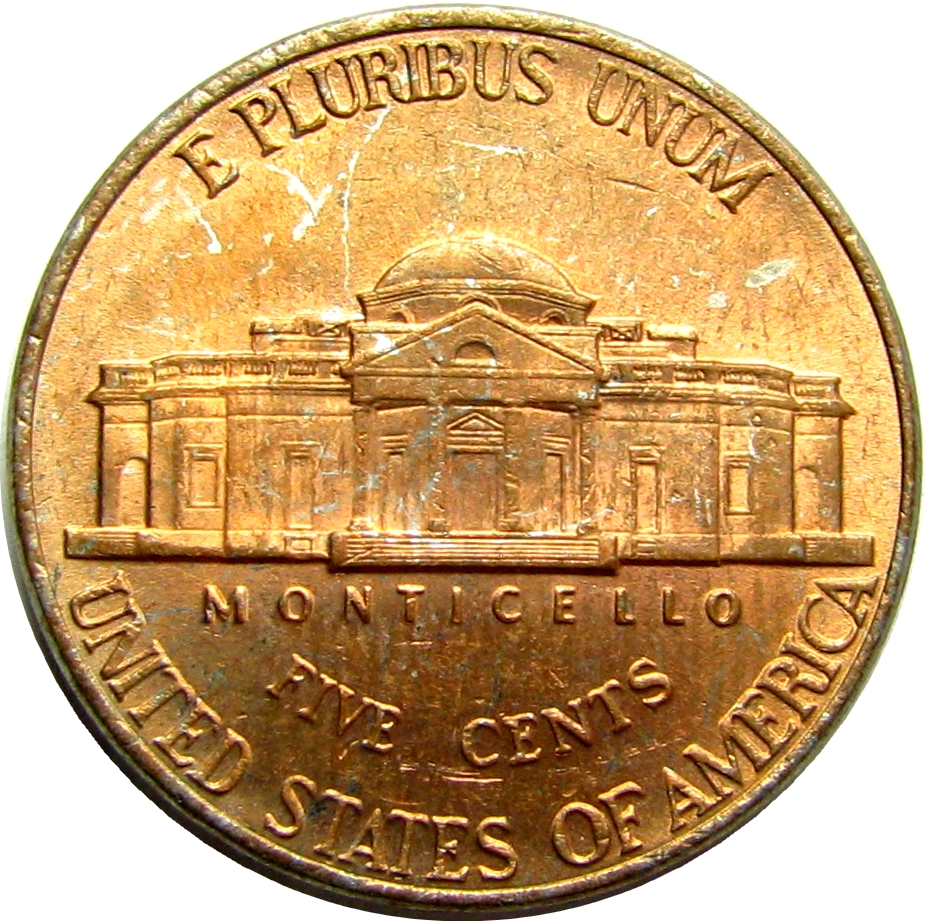
Next is a 2002-D 5¢ Jefferson Nickel. Both the obverse and reverse have dual-coverage with strikingly bold orange shades making it a spectacular mint error.
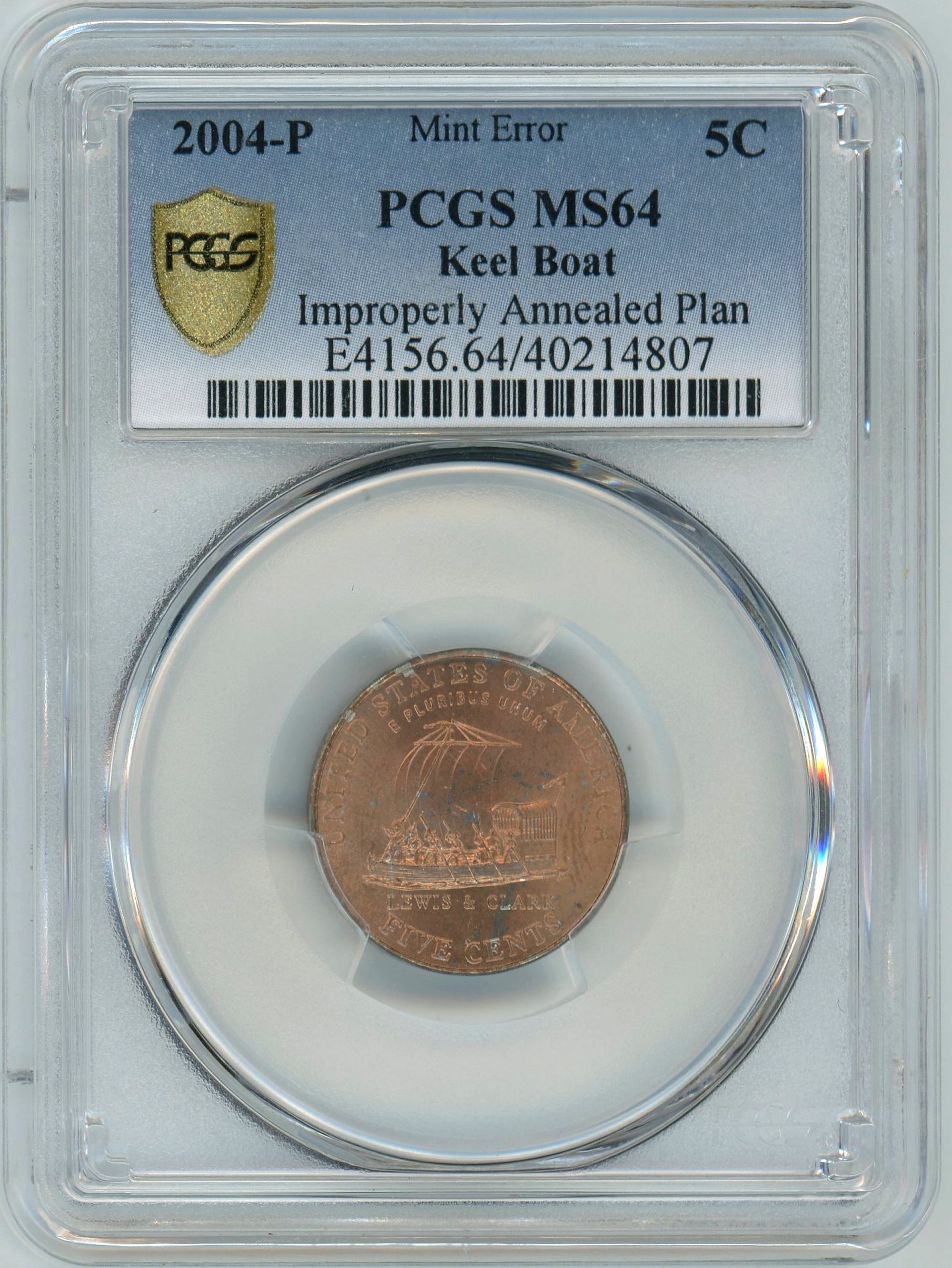
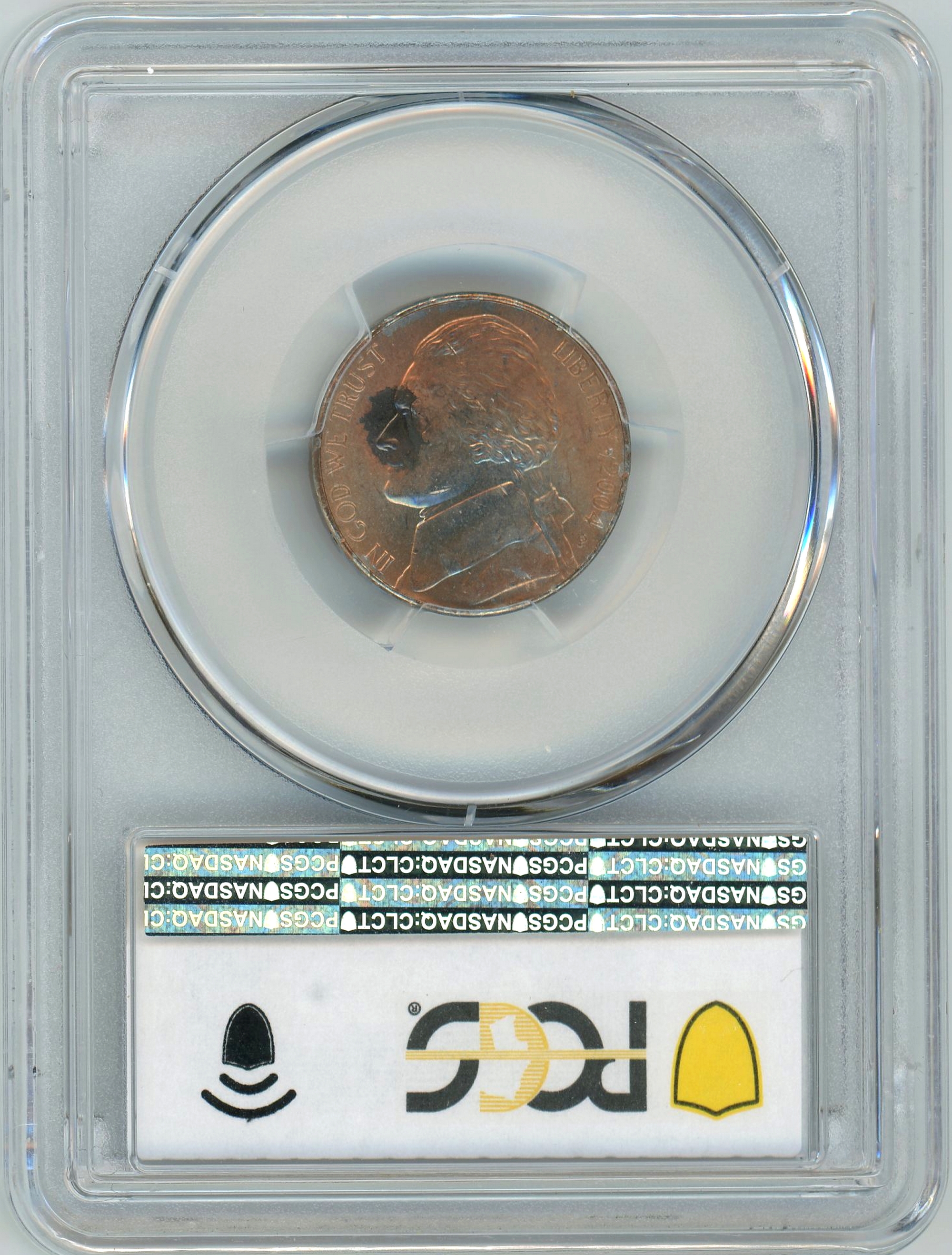
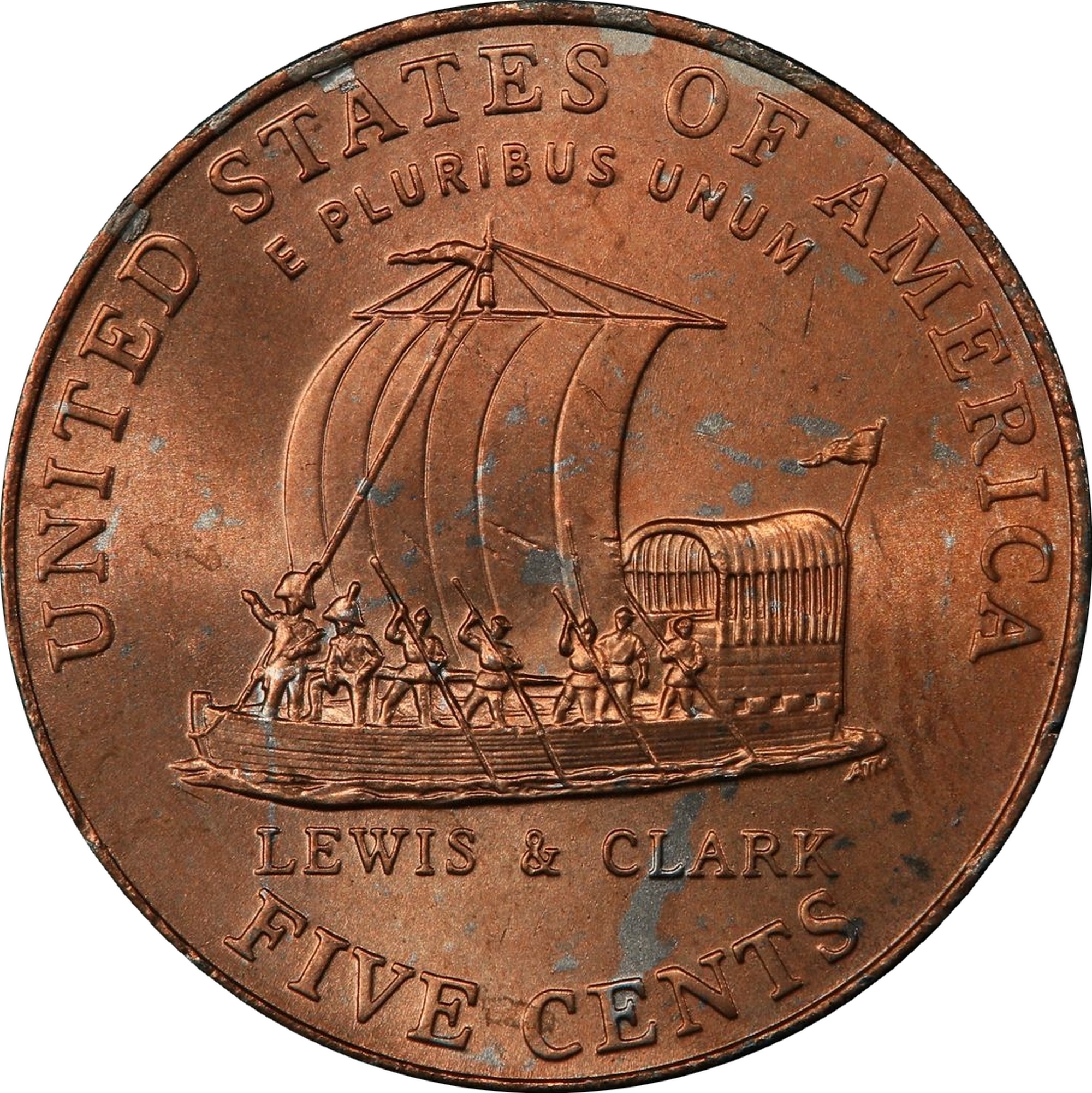
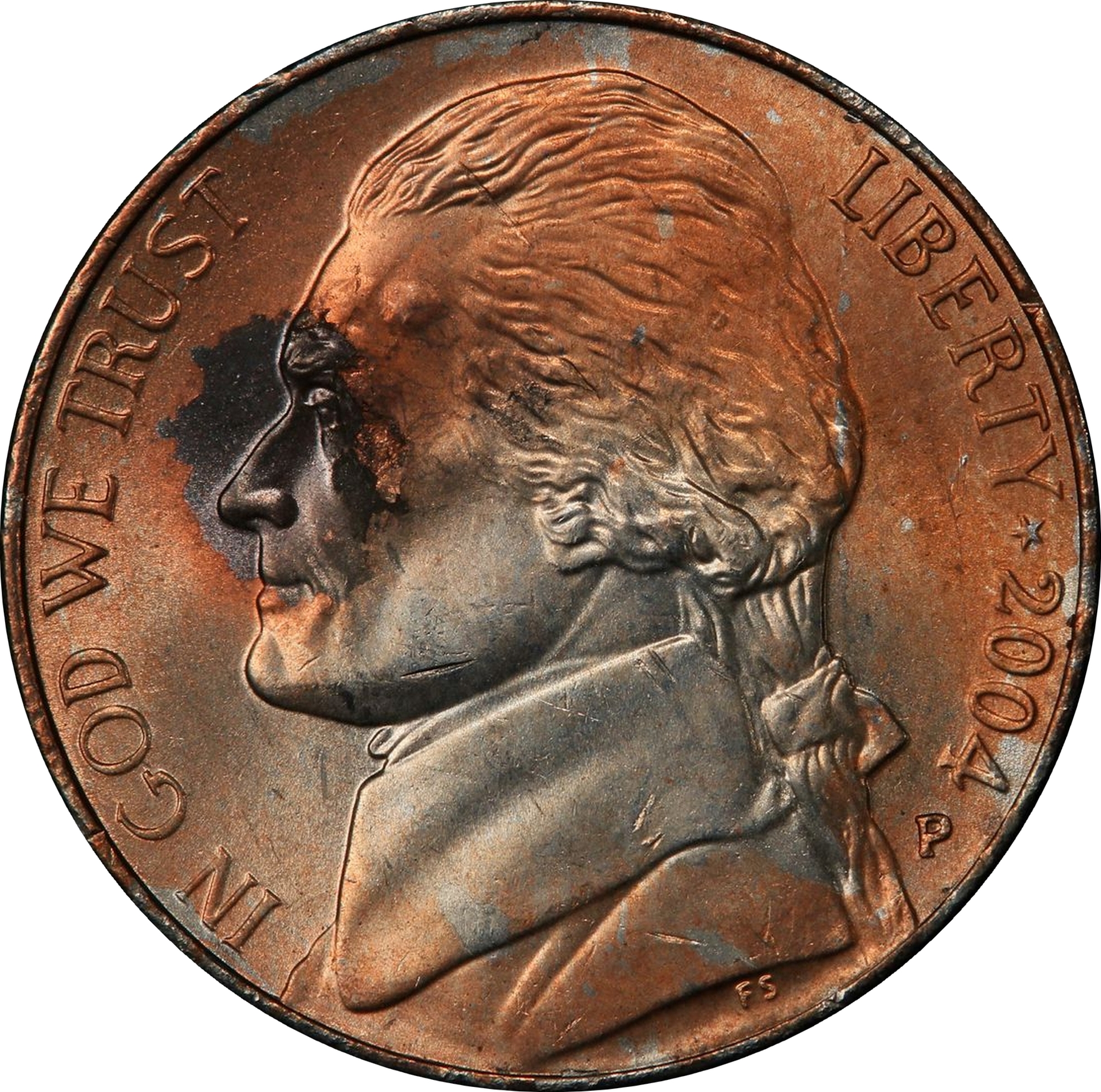
Next is a choice 2004-P Jefferson Keel boat 5¢ coin. Certified and graded MS64 by PCGS it was struck for one year as part of the Lewis and Clark expedition series. Both the obverse and reverse show impressive bright red and pink shades. These are quickly snapped up by collectors.
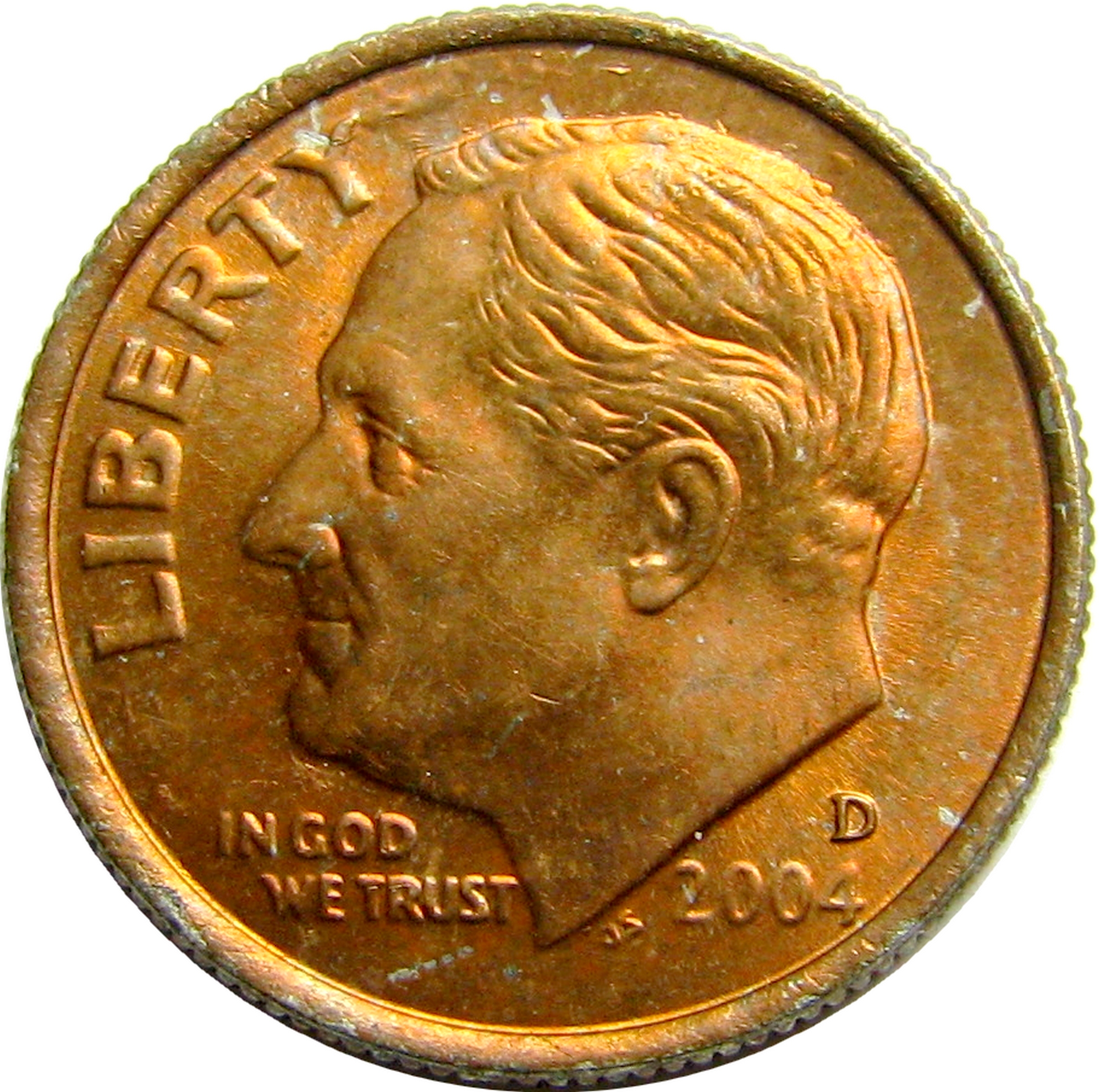
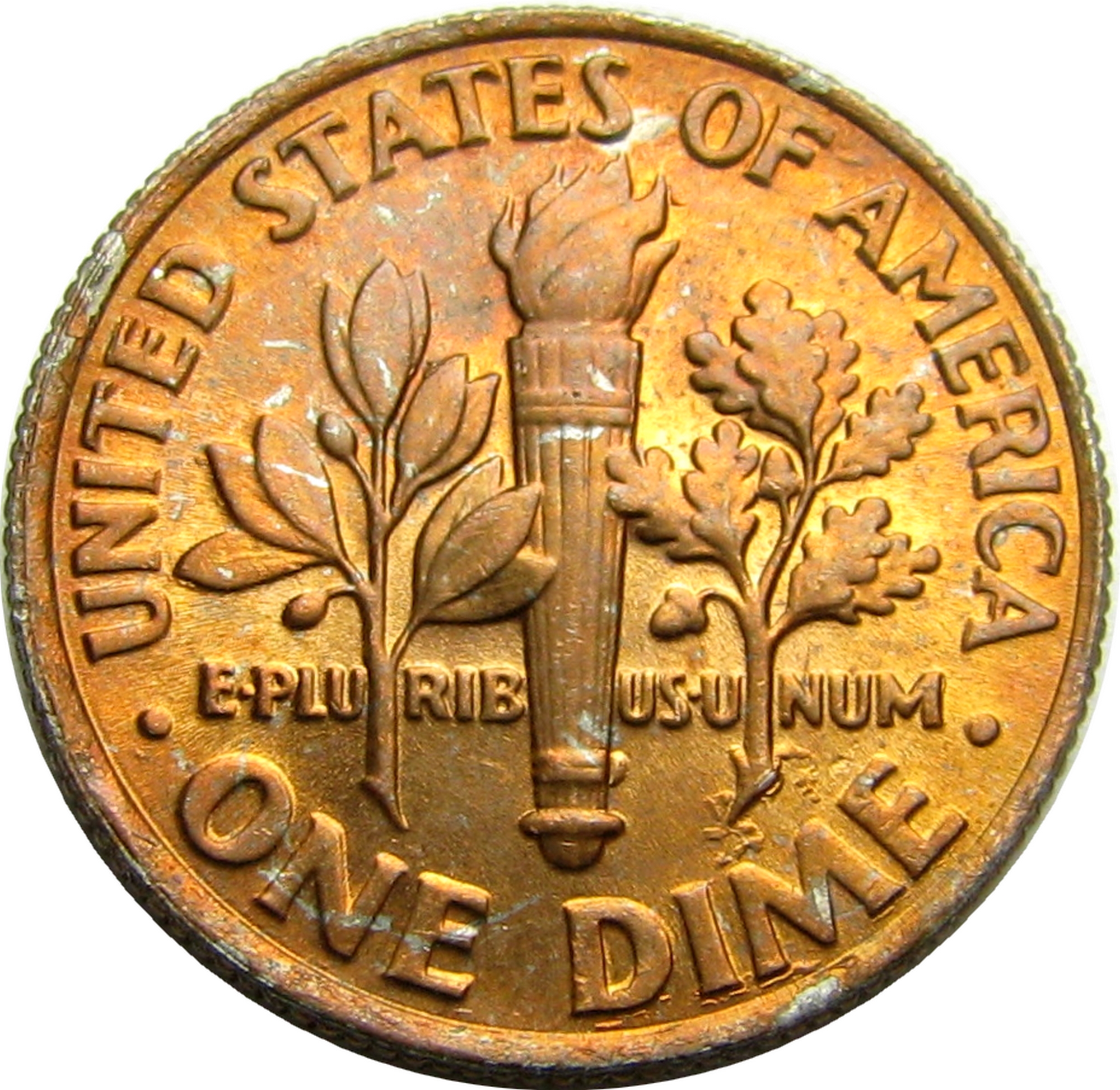
Next is a 2004-D Roosevelt 10¢ coin. Both the obverse and reverse surfaces reveal striking orange and red exteriors. In my personal experience dimes with improper annealing are seldom encountered.
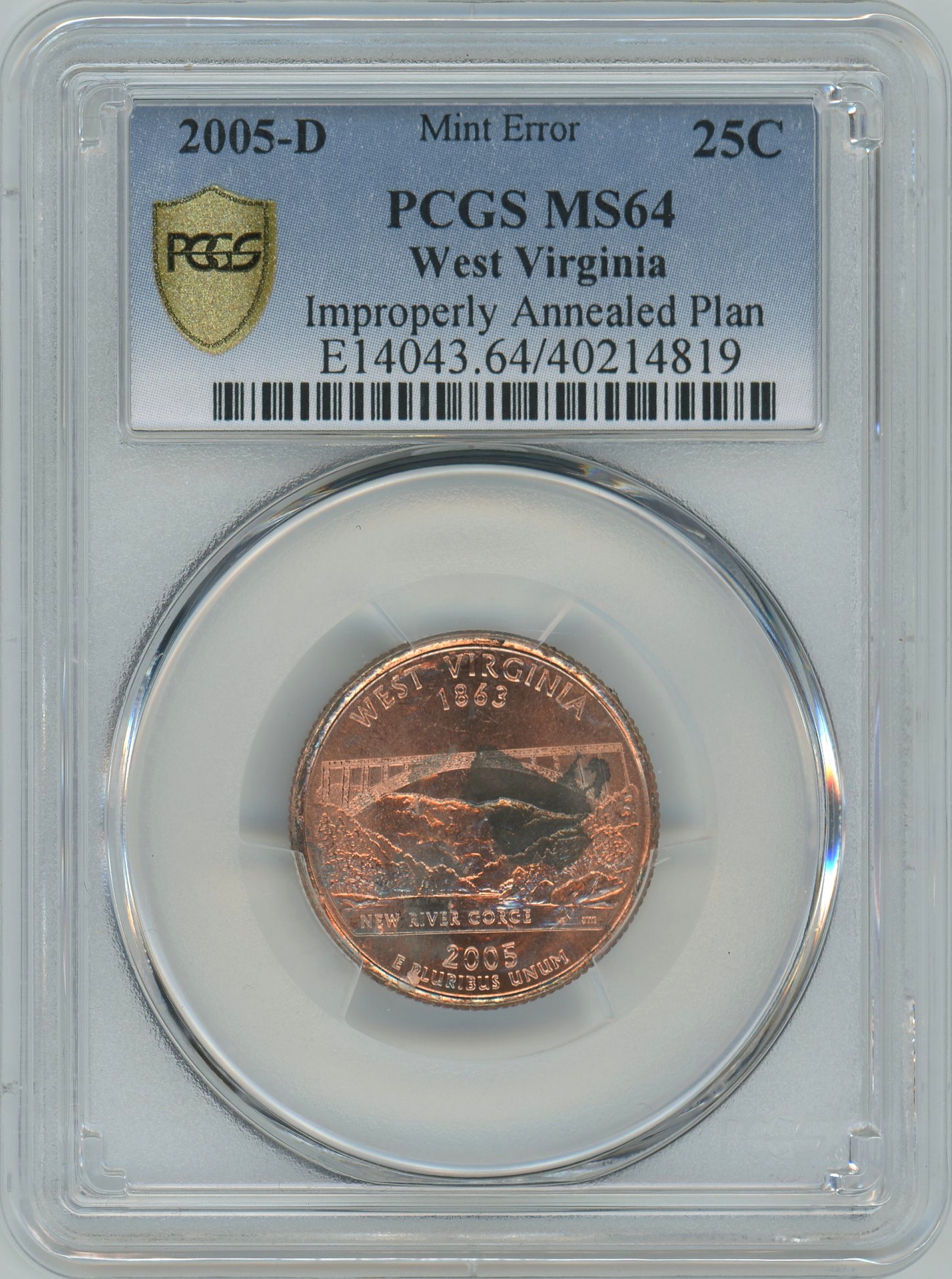
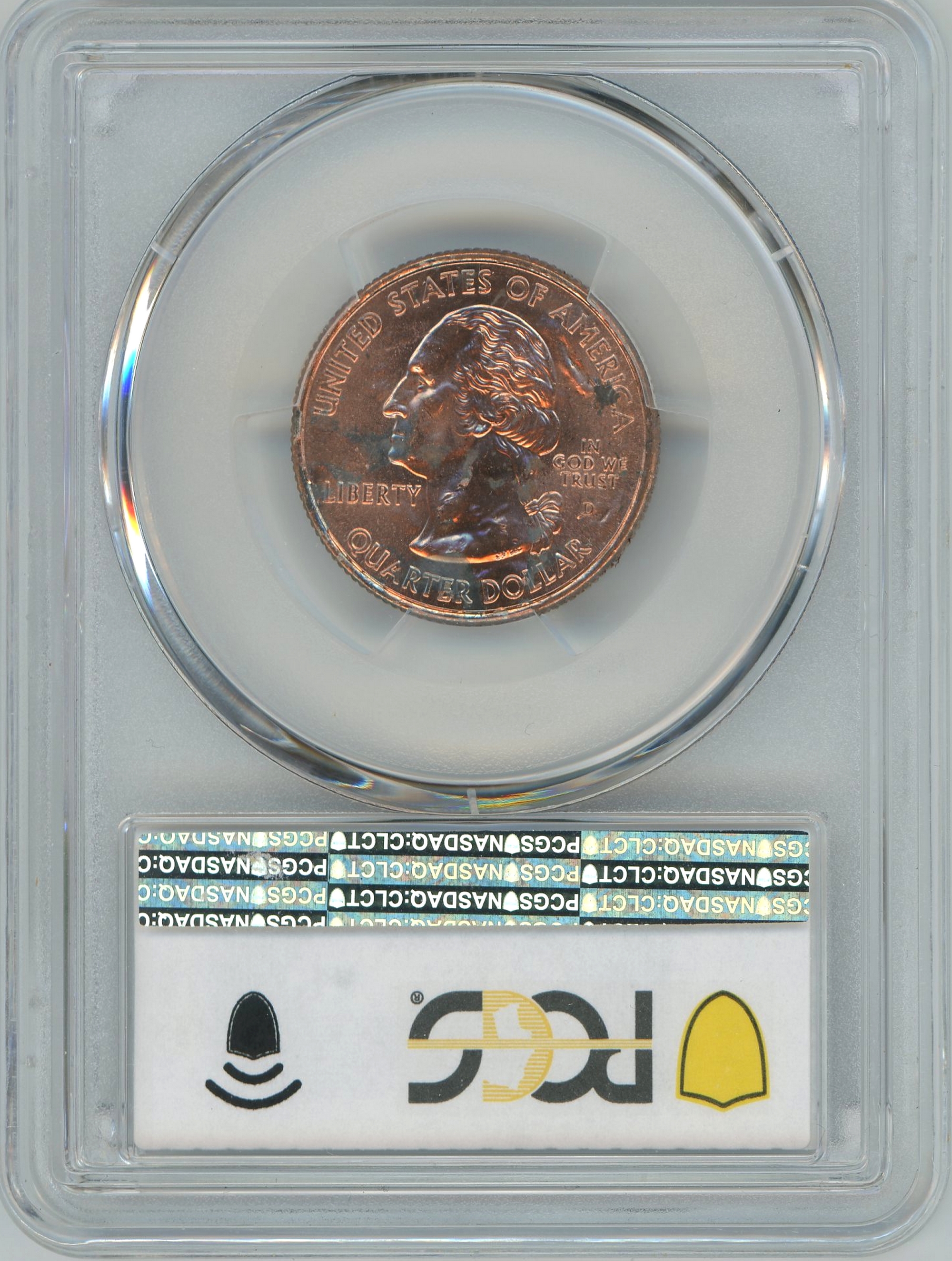
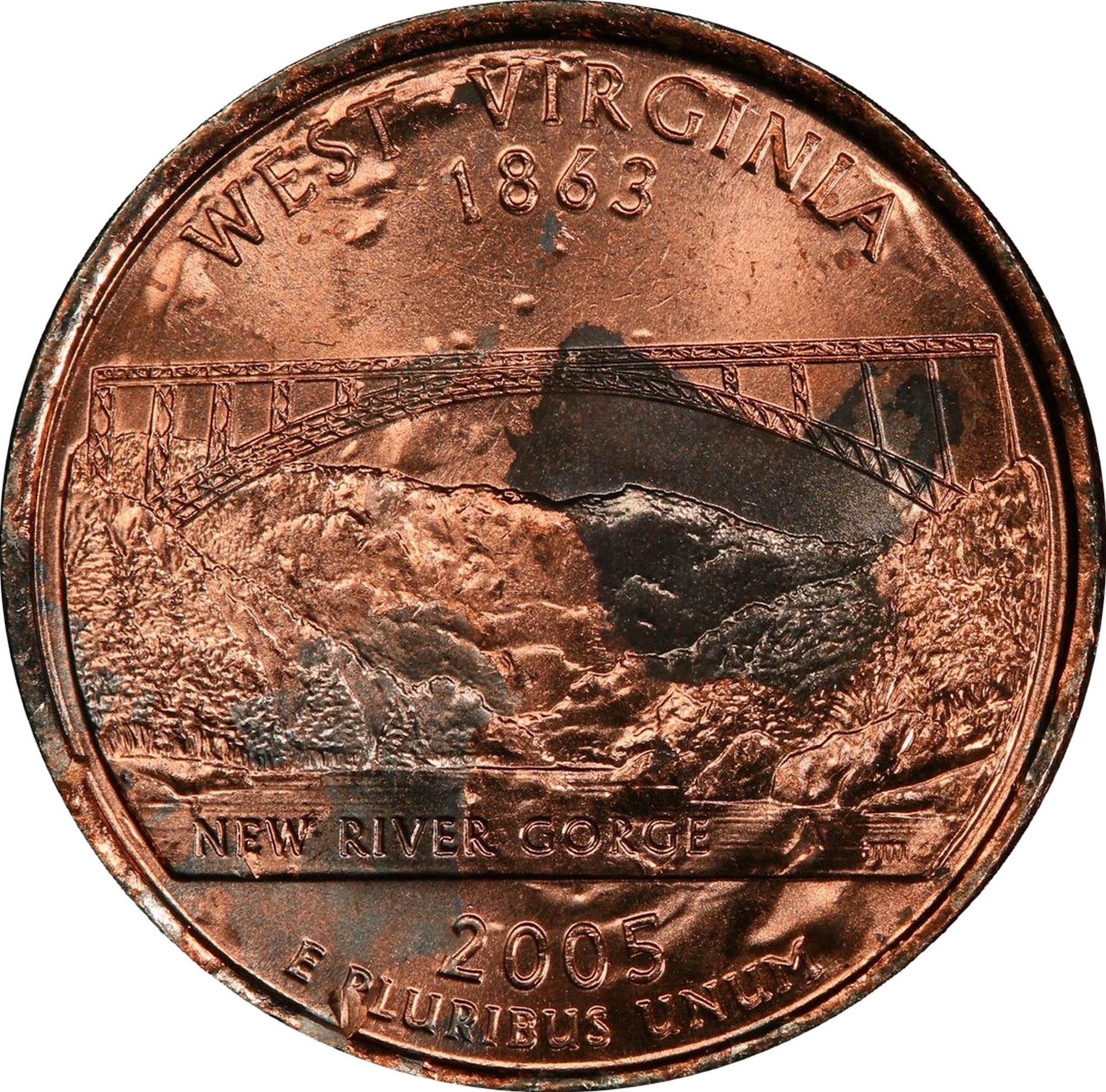
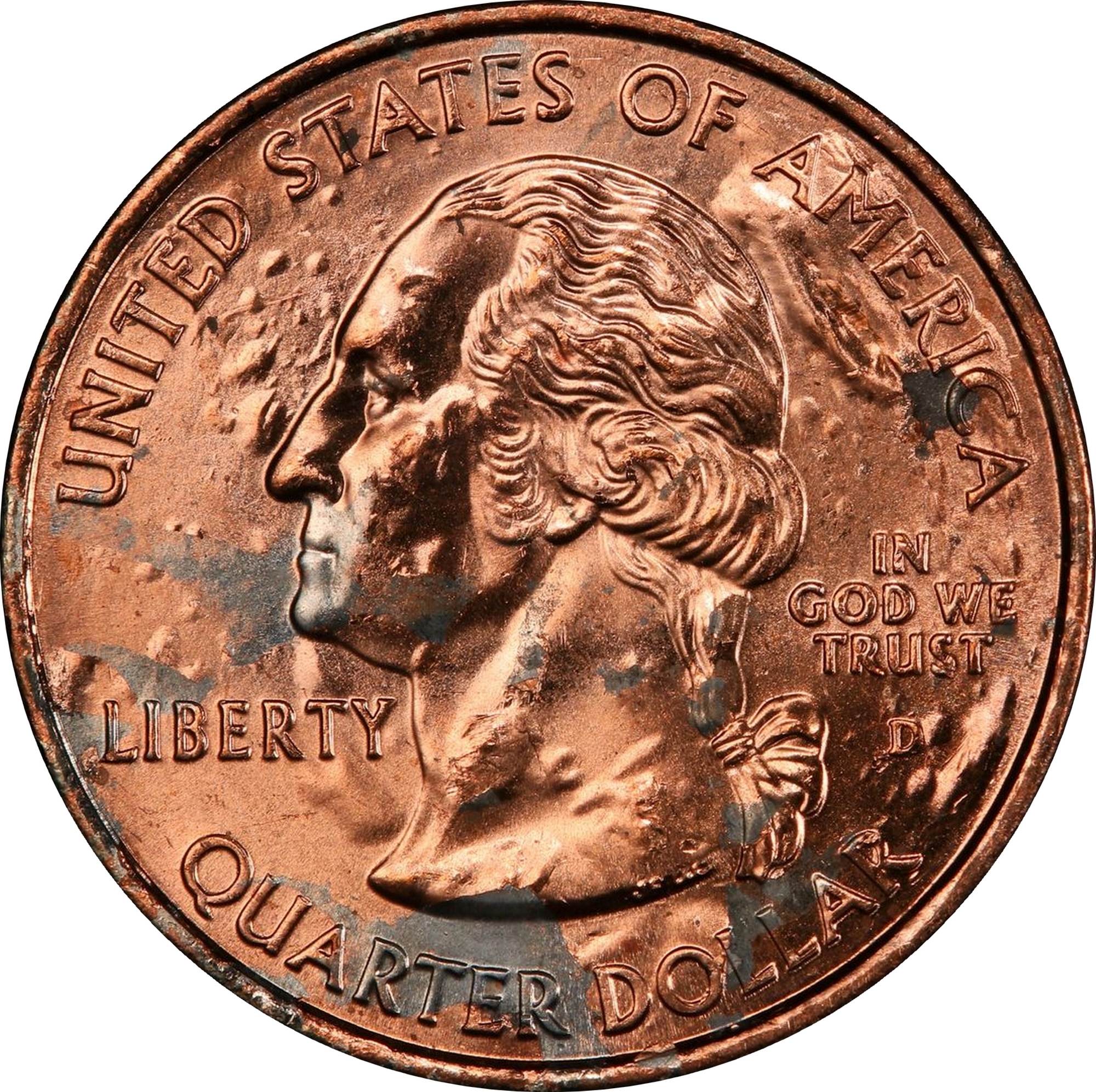
Next is a unique 2005-D 5¢ West Virginia State Quarter. Graded MS65 by PCGS it exhibits intense, exquisite thick pinkish-red exteriors on both obverse and reverse. An absolute beauty.
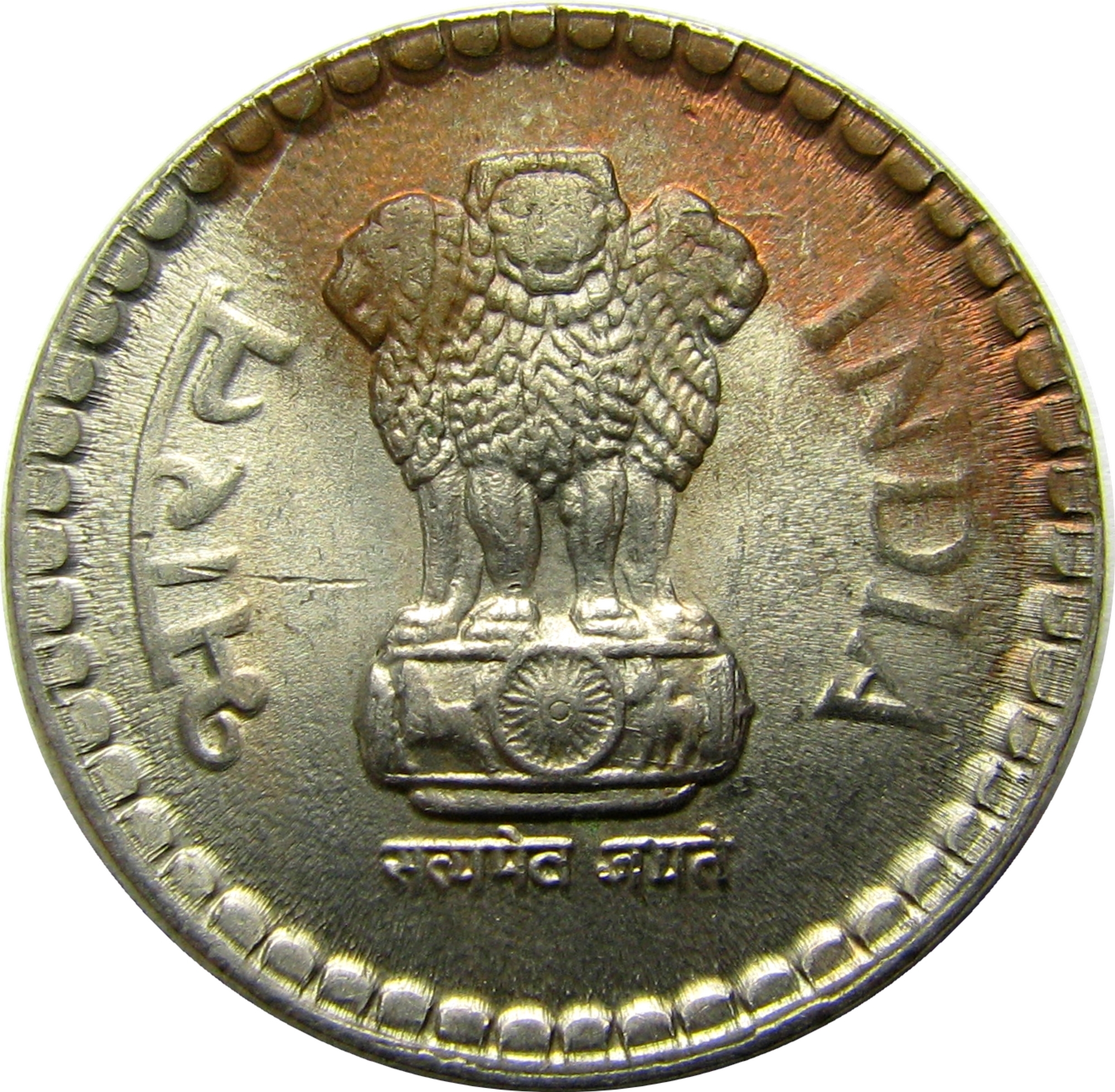
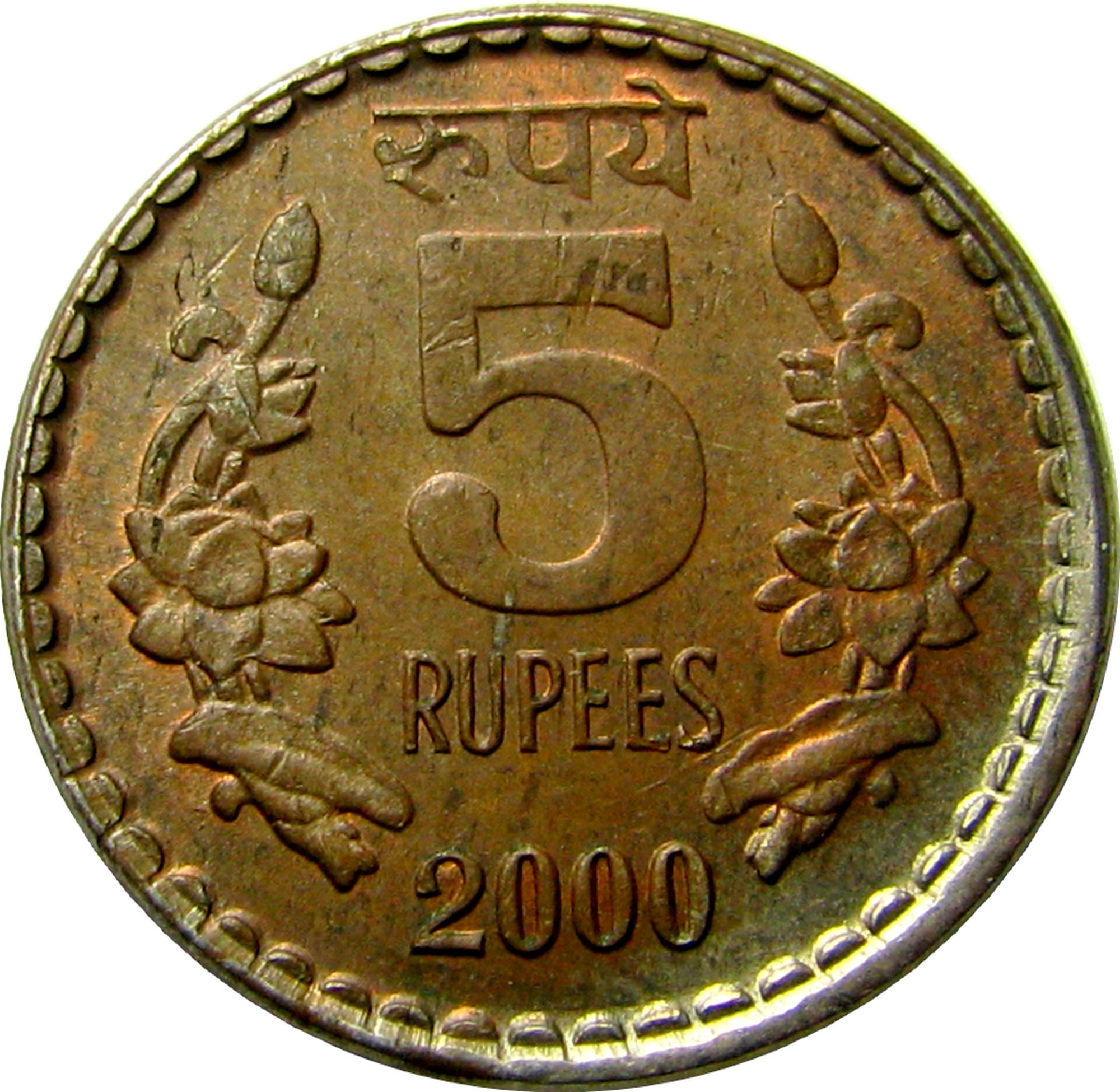
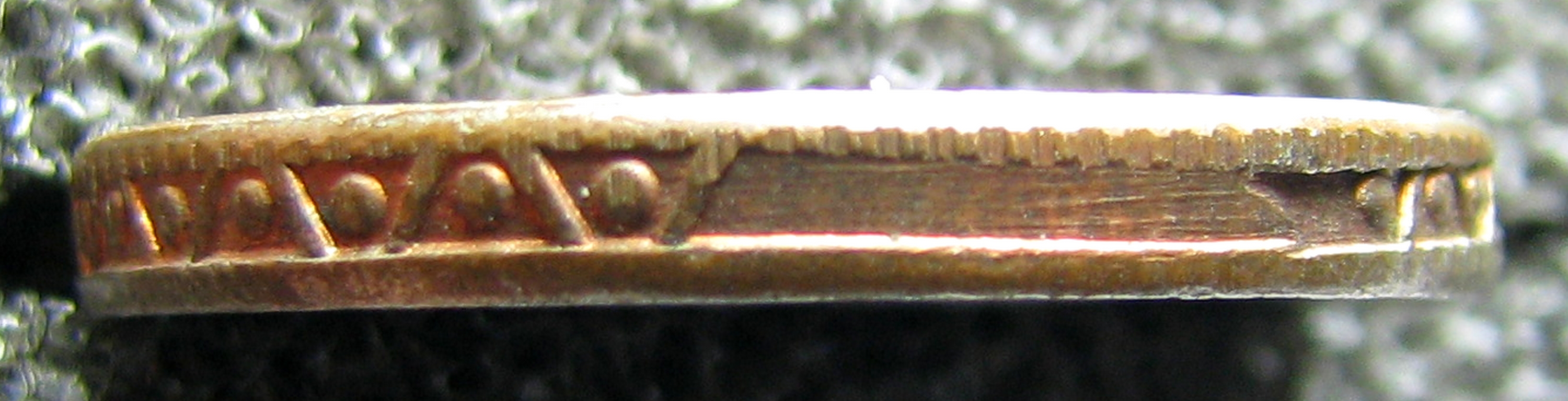
Finally, I would be remiss if I did not include a World Coin. It is a 5 Rupees dated 2000 from India that is Improperly Annealed. I've had this specimen in my personal collection for two plus decades. While it is raw, uncirculated I have not a doubt as to its authenticity.
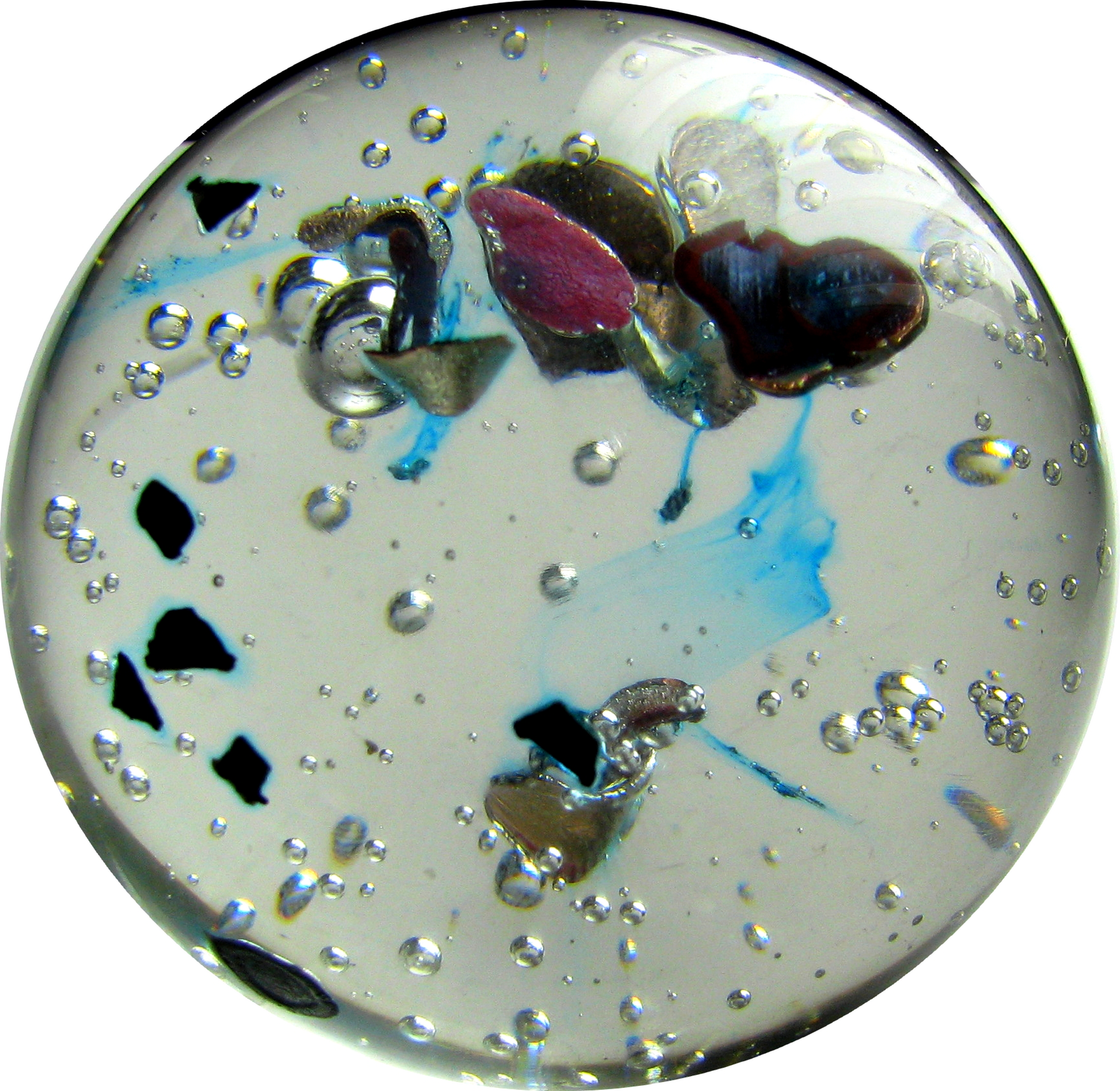
I'd like to share a paperweight that I created as an advanced hobbyist glass blower. In 2018 I came up with an idea to hammer down thick pieces of pure copper and gradually introduce them into molten glass to demonstrate atom migration. Under extremely hot conditions it took about 40 minutes to create this paperweight. When done blending the glass and metal I then inserted the paperweight into an annealing oven to cool down for 48 hours. In the end I was able to capture atom migration from the hammered copper bits within the molten glass. Hues of blue, purple, red, orange, black and burgundy under extreme heat were captured for all time. While I no longer create glass art this piece sits on my desk to this day.
True View Images courtesy of PCGS for 1979 $1 SBA, 2002-D 25¢ SC, 2004 5¢ Keel Boat and 2005 D 25¢ WV.