Foreign countries consider their coins to be plated, (even when they may actually be a planchet with a clad layer rather than actual microscopic plating).
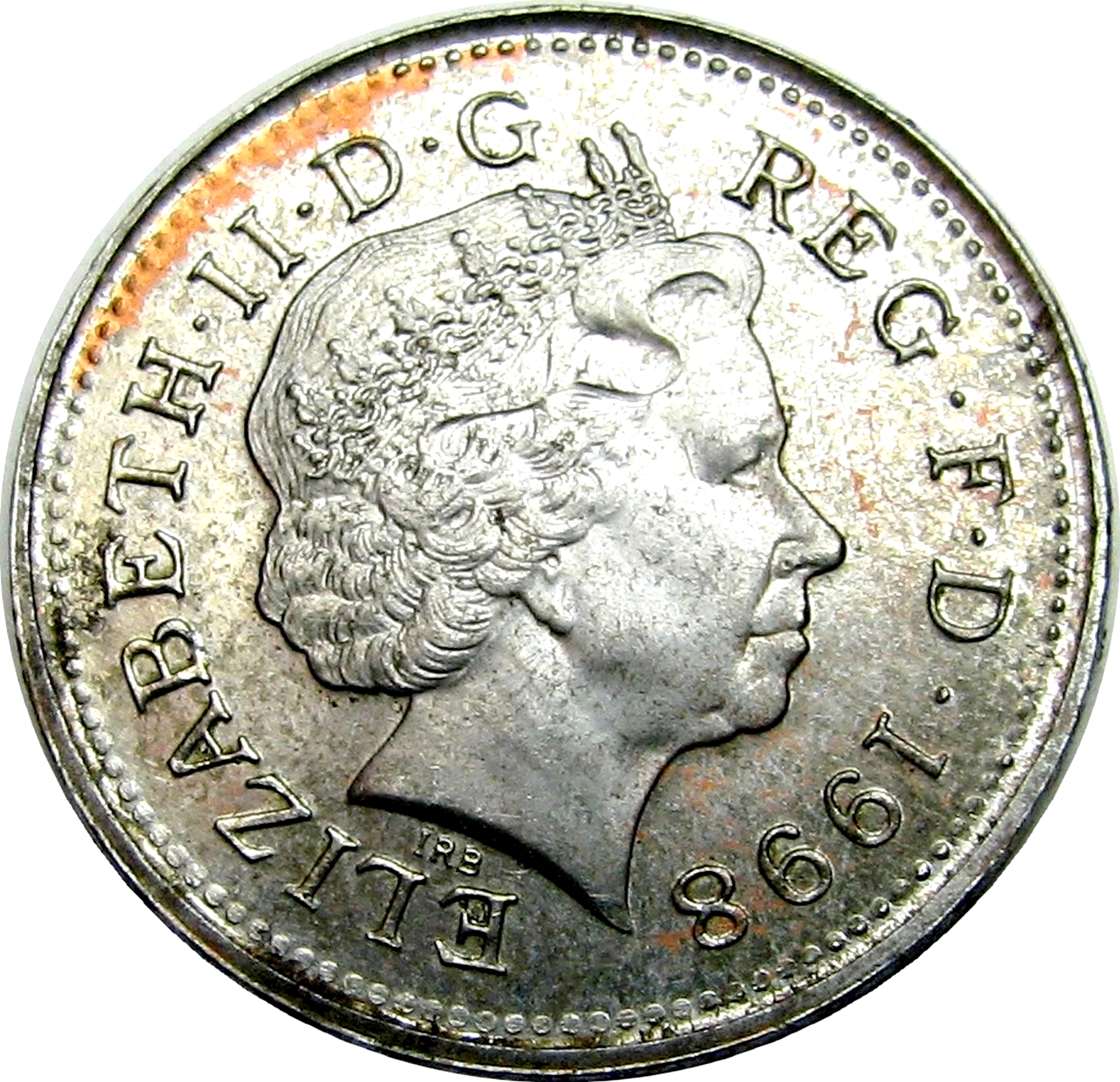
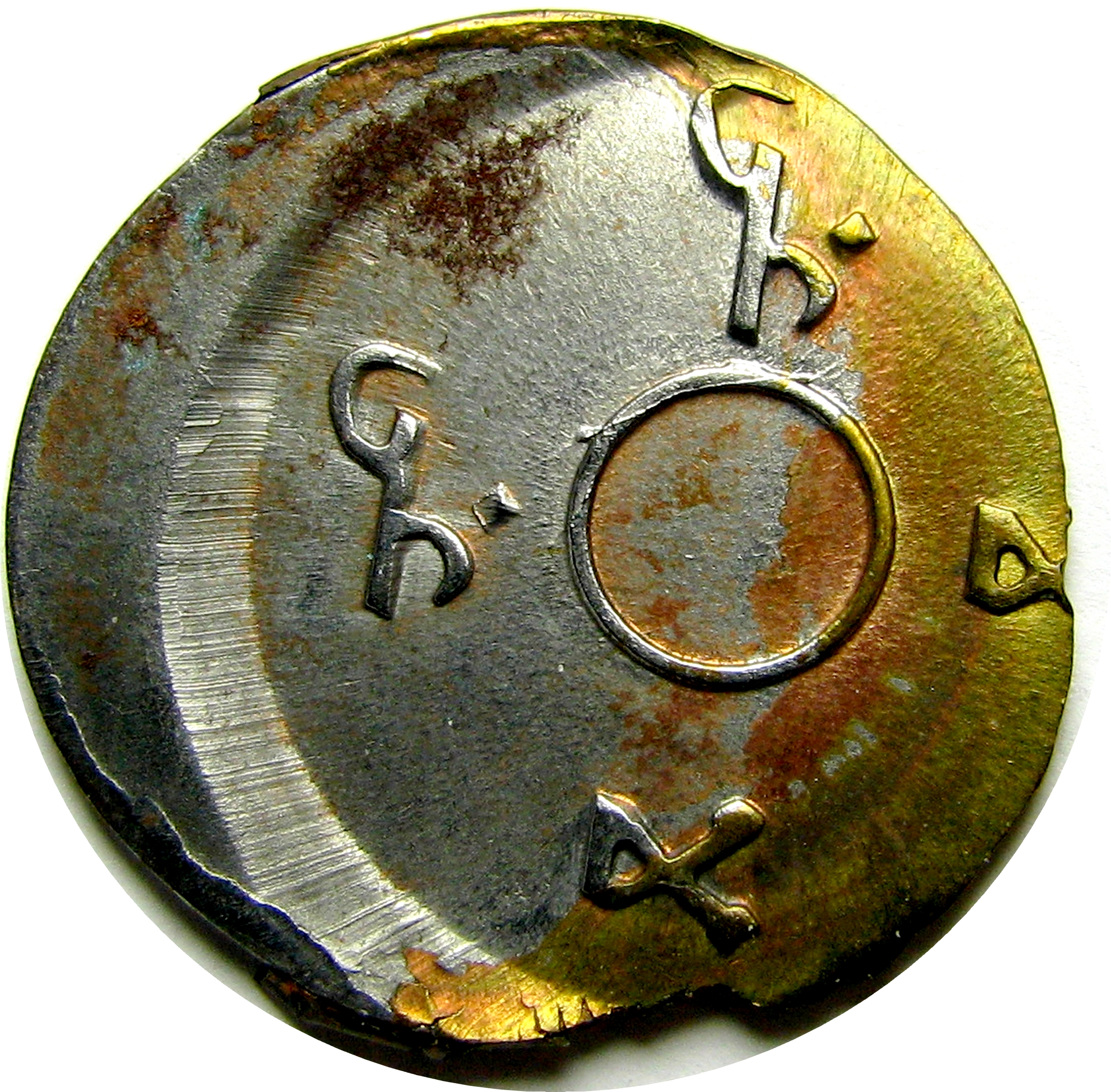
Two error coins from two different countries are shown. One is from Great Britain and another is from Egypt.
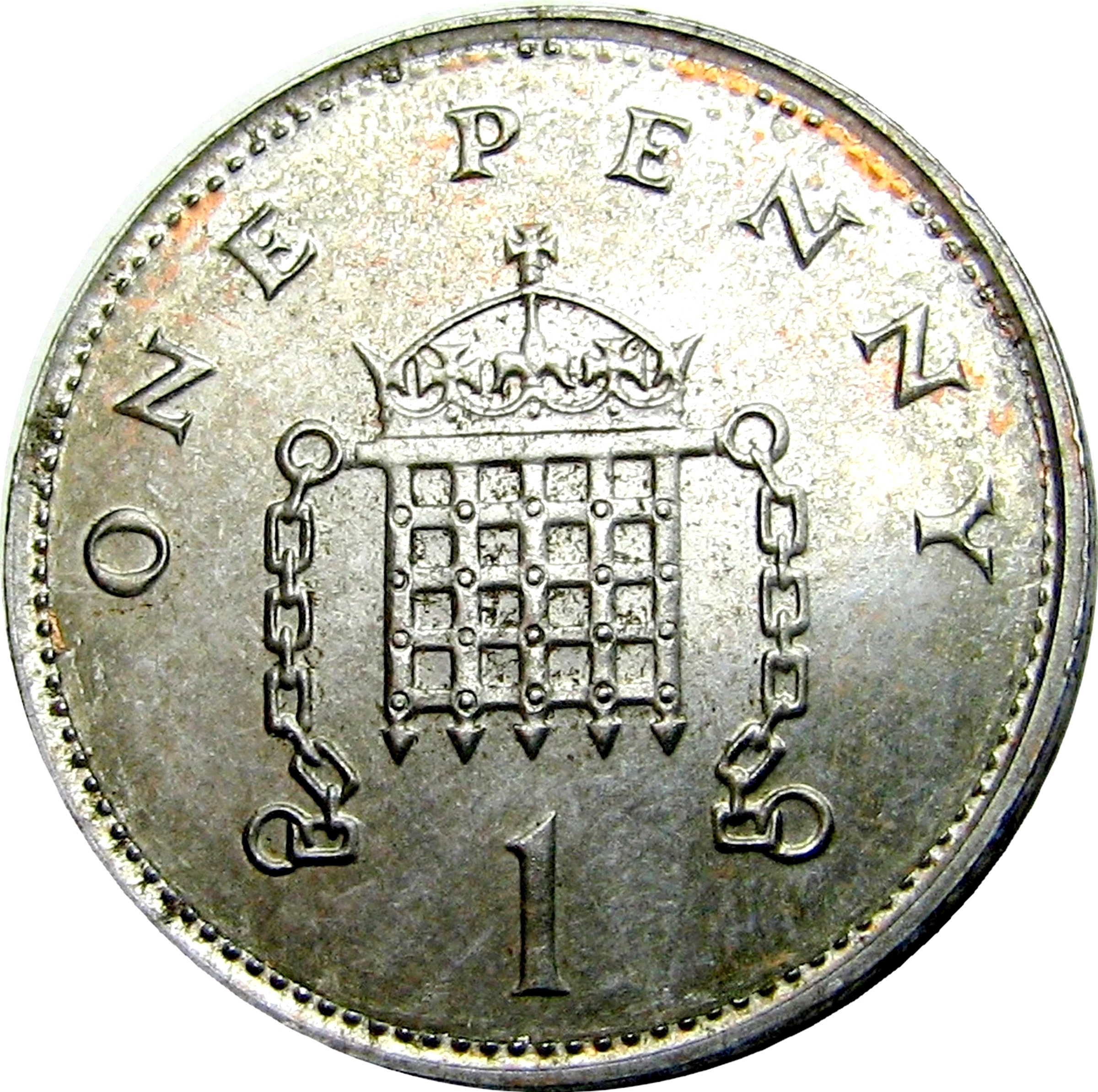
First is an uncirculated 1998 Great Britain One Pence with no copper plating. It is extreme in the degree of plating missing on both faces. Just a tiny hint of copper is present on the obverse and reverse.
A normal One Pence coin is struck on a copper plated steel planchet. Normal Weight is 3.5 grams. This coin weighs 3.2 grams. As expected it is under weight and is strongly attracted to a magnet.
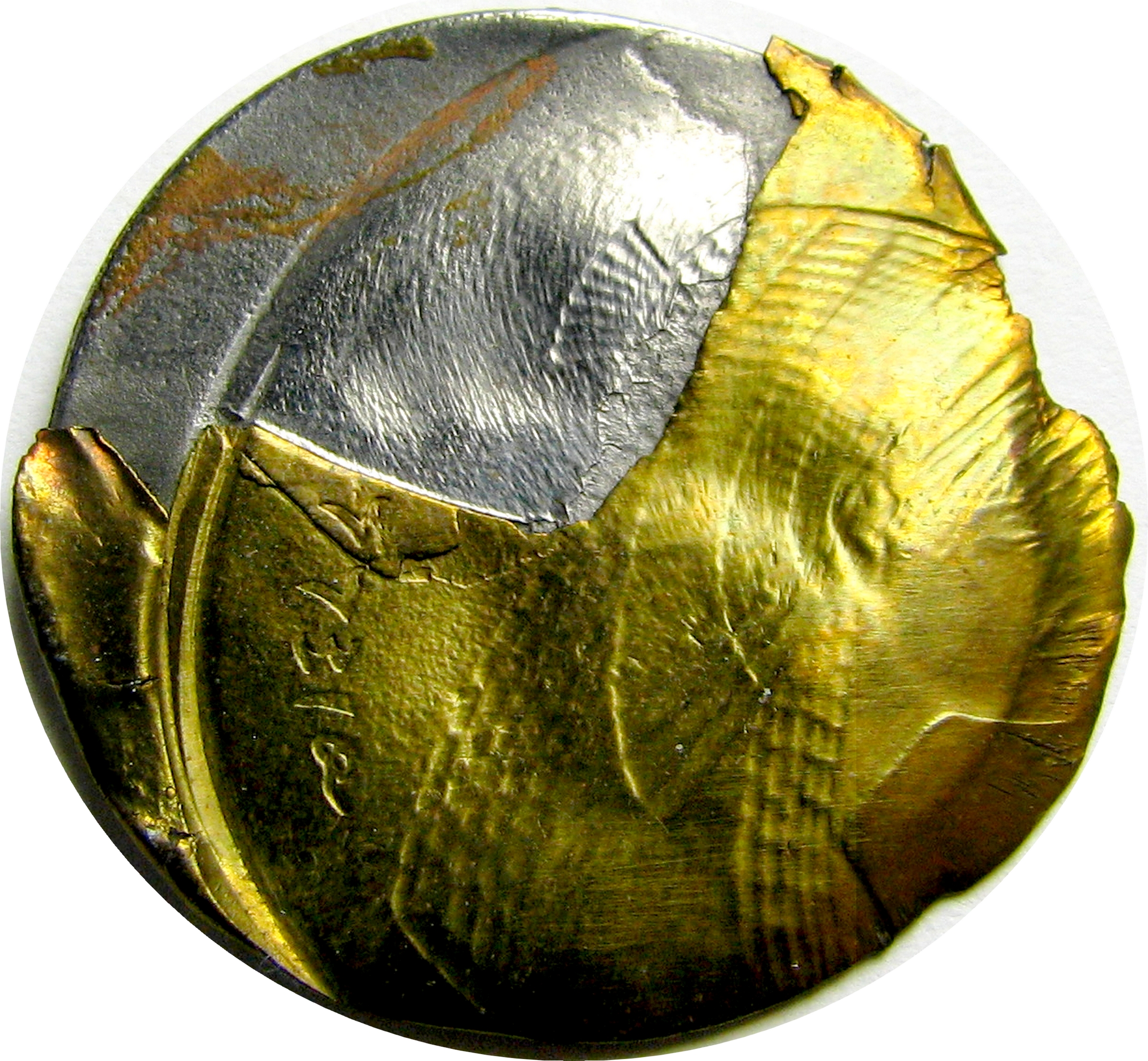
The second coin is a 2012 Egyptian 50 Qirsh. It has fascinating clad issues and is struck off-center.
A normal 50 Qirsh is struck on a thick brass clad steel planchet. Normal weight is 6.5 grams. This error coin weighs 3.82 grams and is strongly attracted to a magnet. (Note: Cladding is a mechanical rolling and bonding process of thick metal sheets; Where as plating is a process of a chemical or electrical bath).
The obverse is largely void of any brass cladding. What little that is present is quite thin. The obverse was struck by a cancellation die.
The reverse features a brockage of Cleopatra and the date. Sixty percent of the surface is covered in brass cladding.
While I cannot rule out a wrong planchet being involved there is no doubt of the defective clad on this Egyptian coin. In my estimation it is an underweight planchet with cladding thinly applied (bonded). Another possibility is this planchet was punched out near the end of sheet of rolling stock. This makes sense as a great deal of weight is attributed to the clad layers.
A most thought provoking error coin!
 Note of interest:
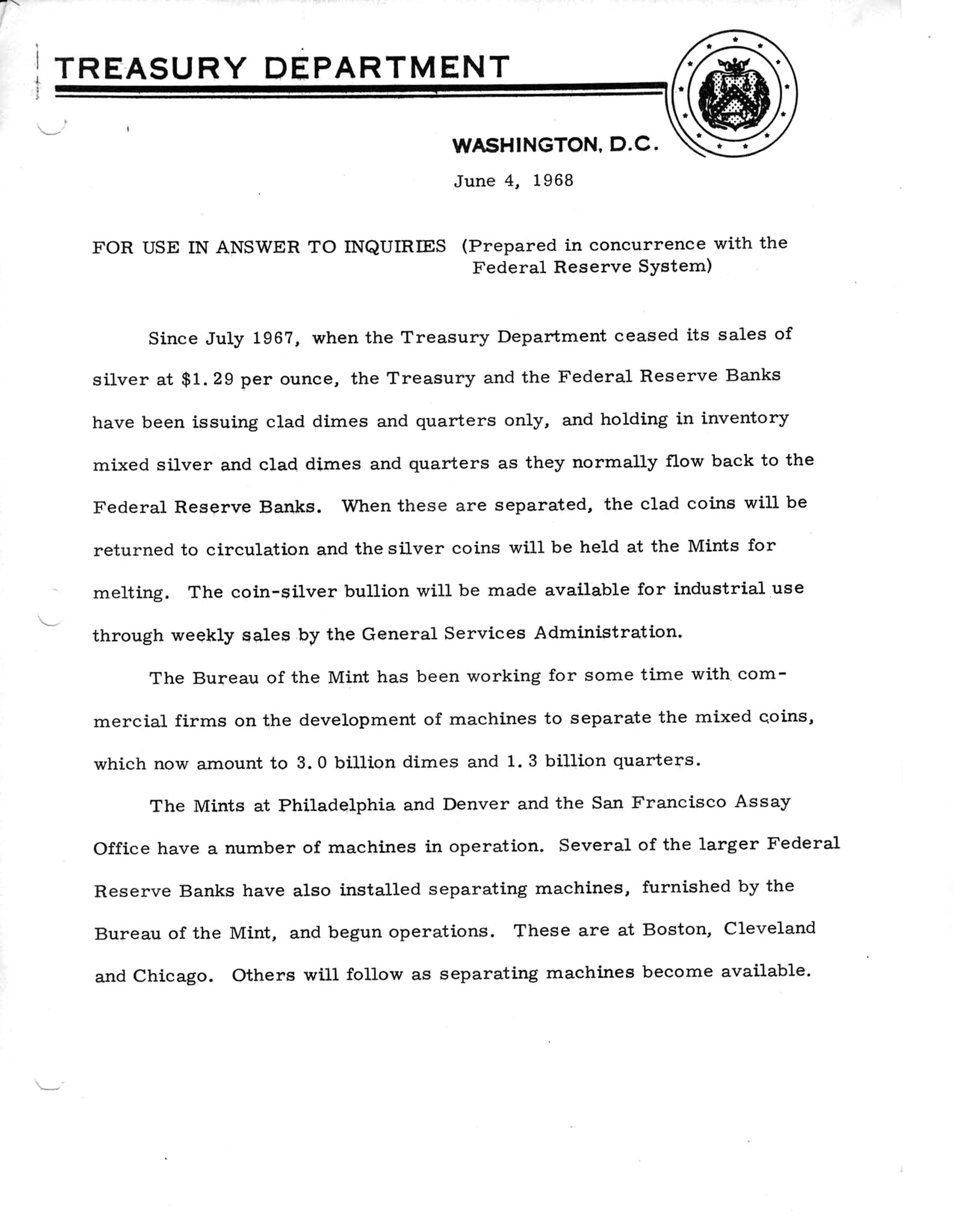
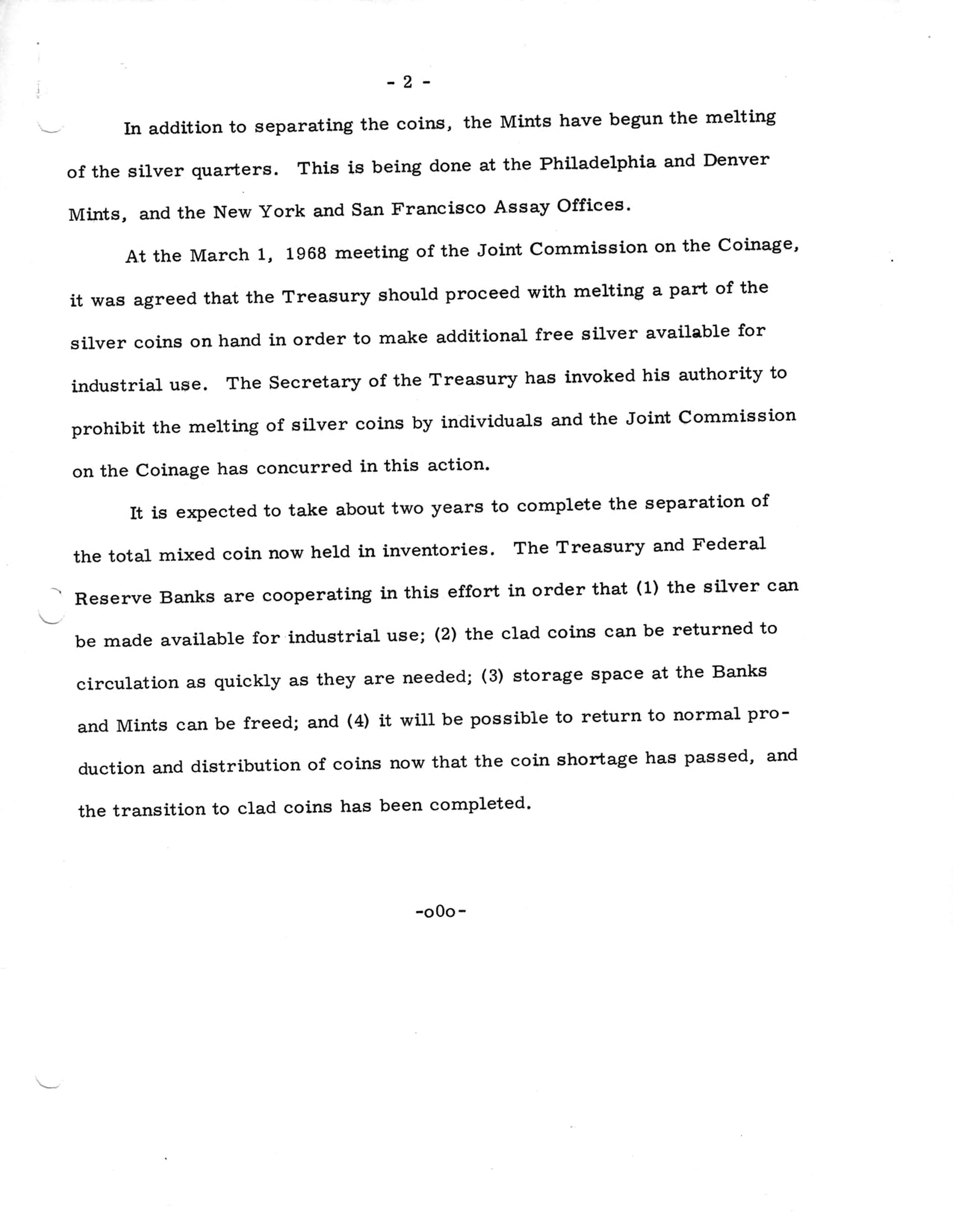
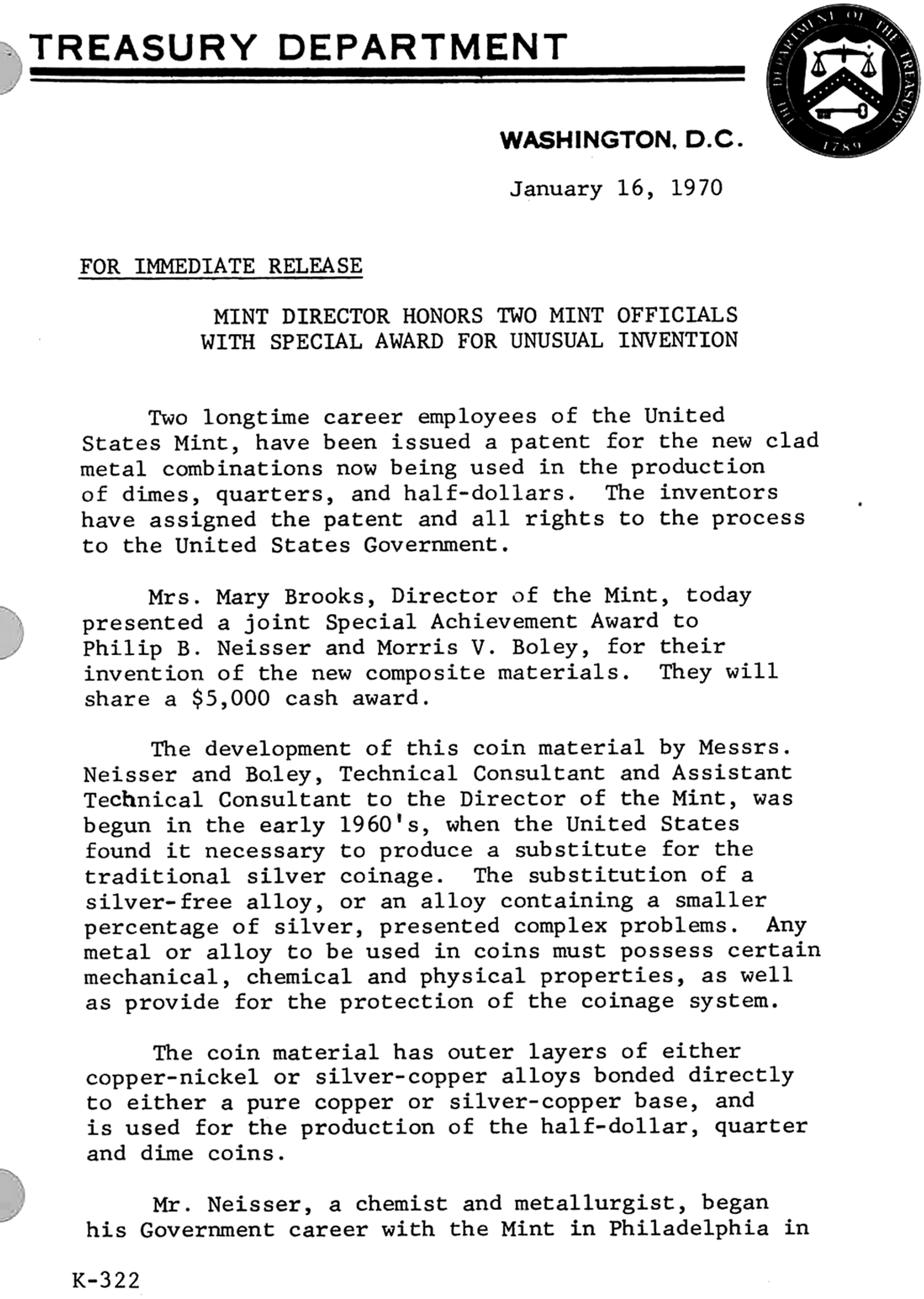
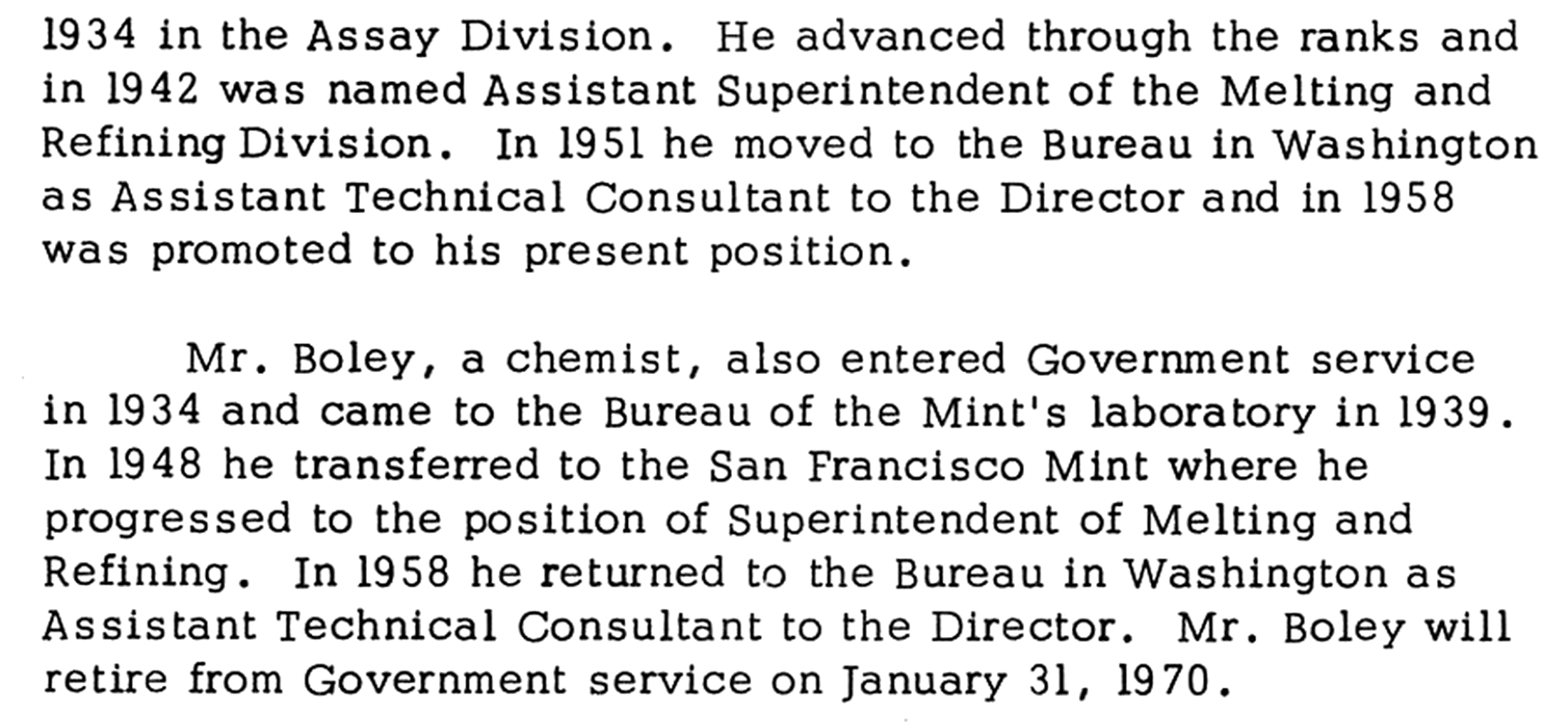
Did you know the U.S. Mint presented cash rewards for the invention of clad coins?
First is a 1968 dated release from the U.S. Treasury concerning billions of silver dimes and quarters to be sorted and taken out of circulation for strategic industrial use. Then in early 1970 another U.S. Treasury release outlined to the public the Special Achievement Award for the clad coin invention.