MINTERROR NEWS.COMTM
Bringing the latest mint error news to the collector. Also featuring Die Trials, Patterns, Test Pieces, Numismatic Rarities, Currency Errors and Discoveries from the U.S. Mint.

|
|
|
Discoveries

Unique Set of Martha Washington Test Pieces
With 5 Different Experimental Finishes
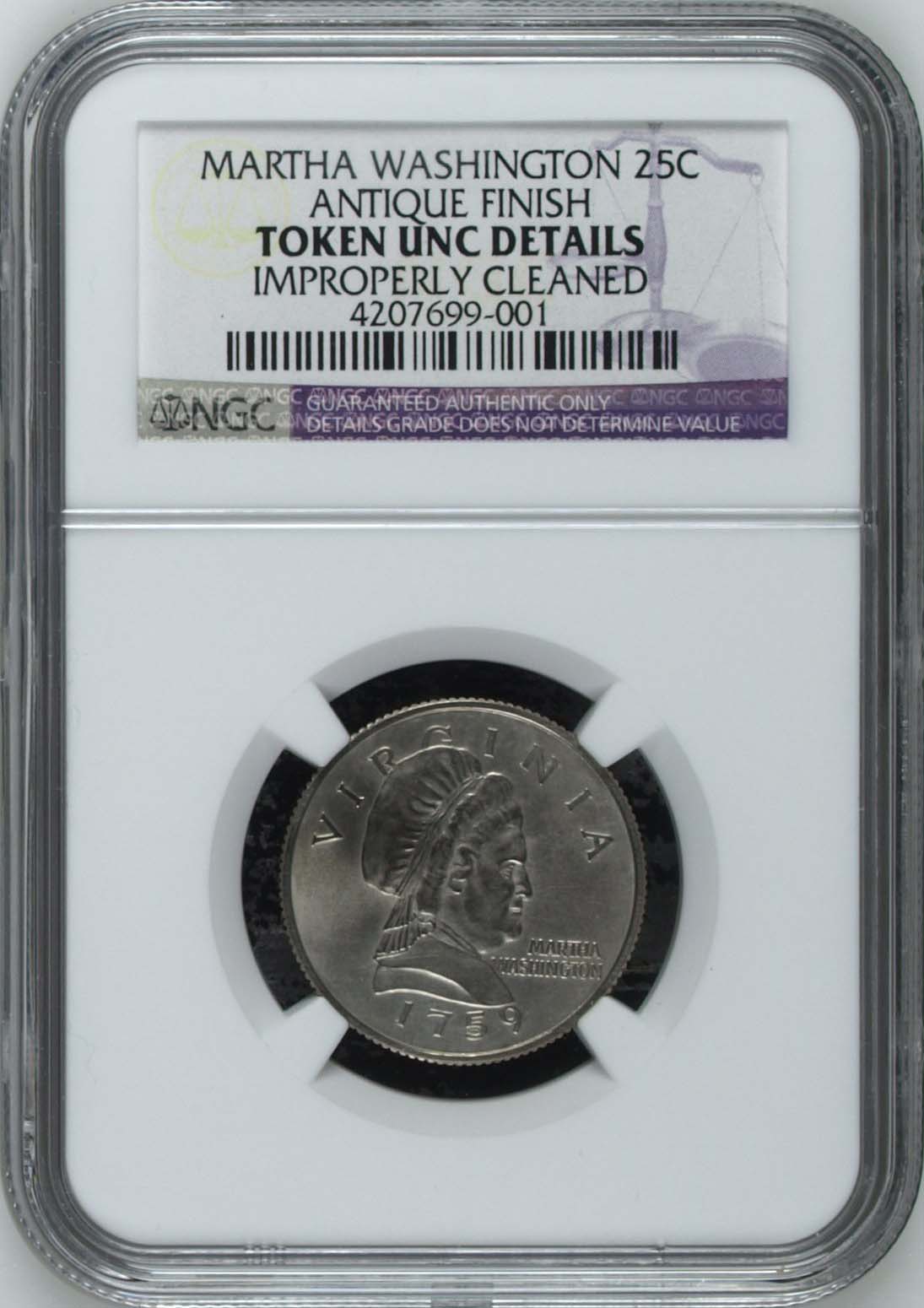 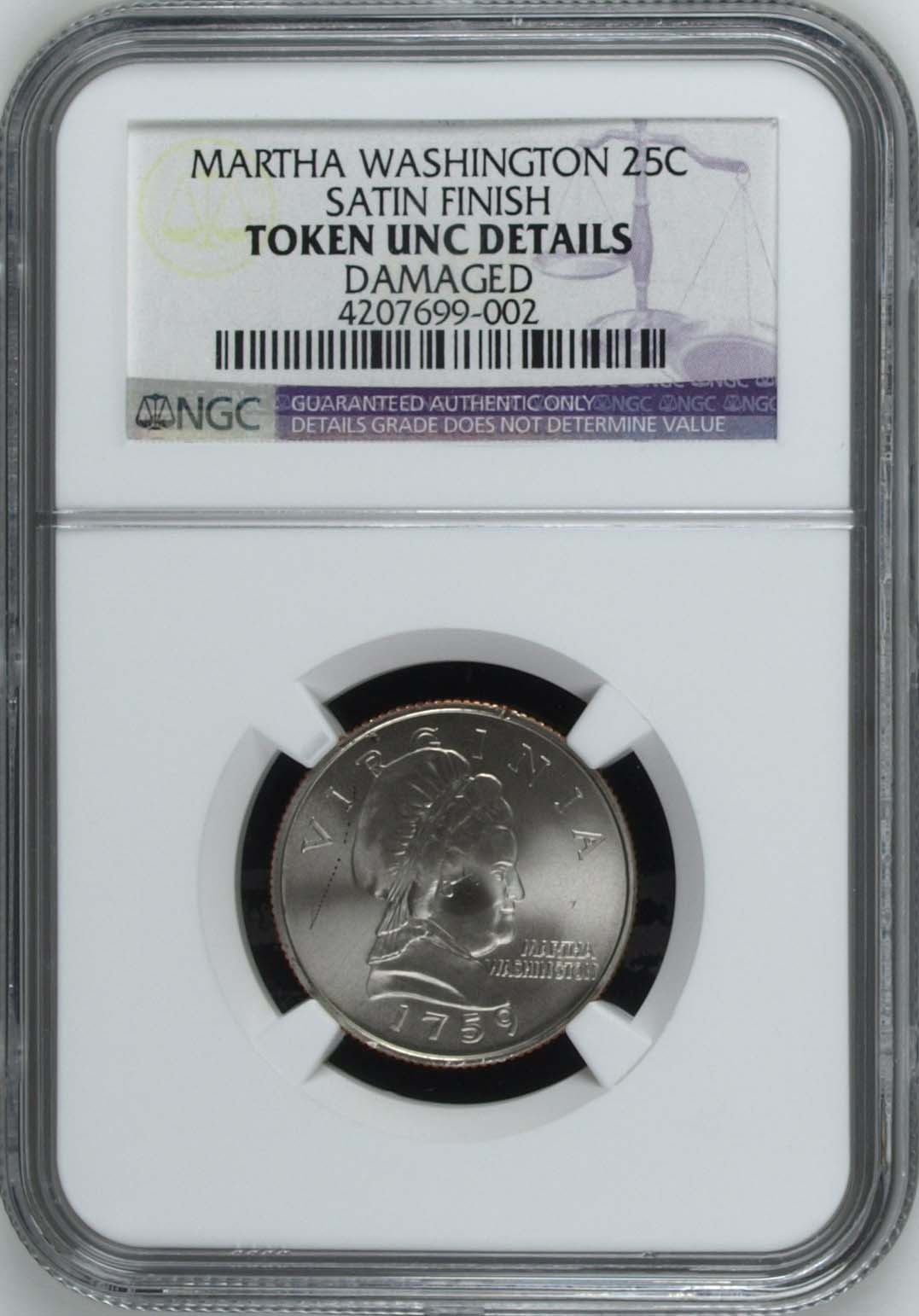 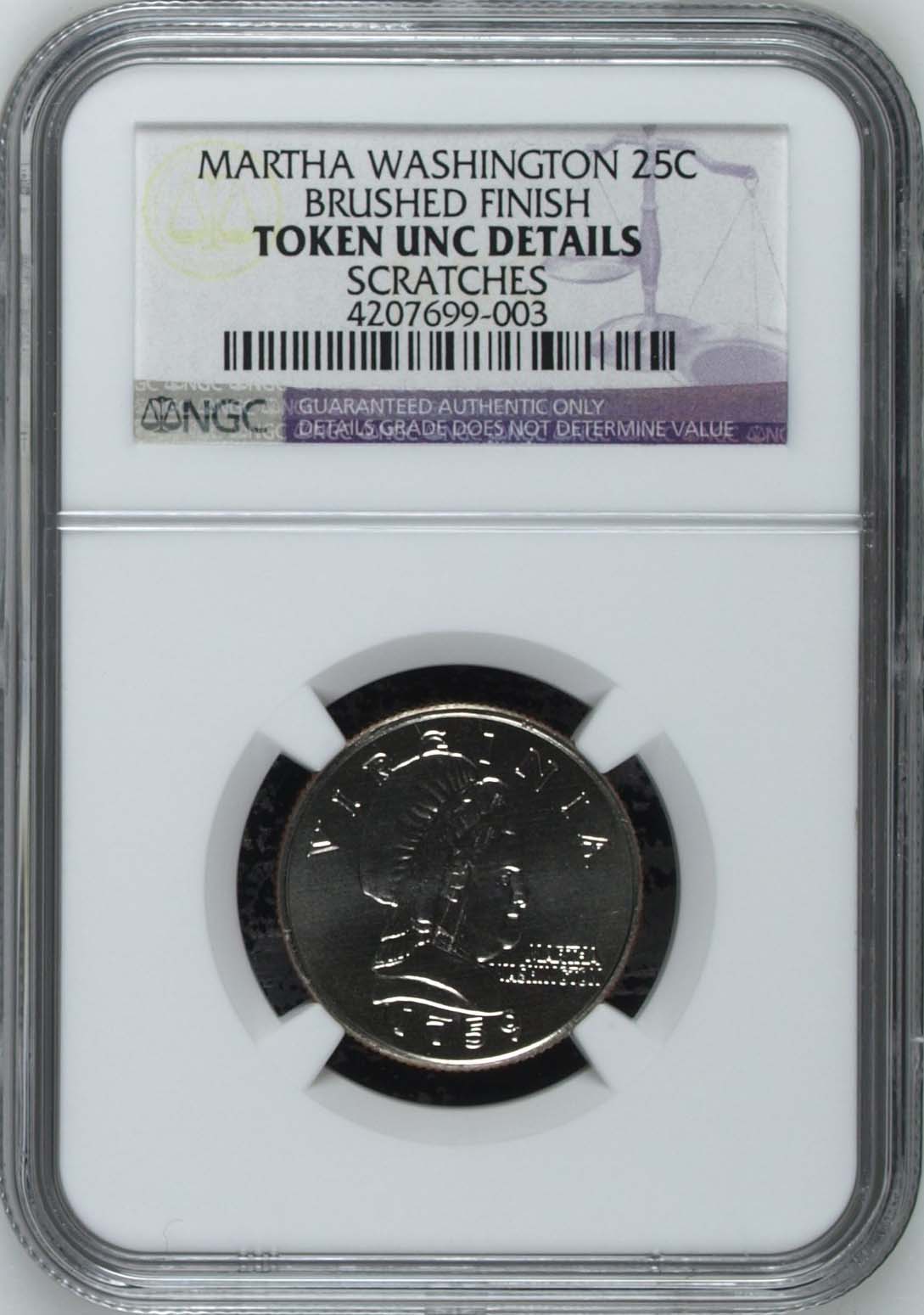 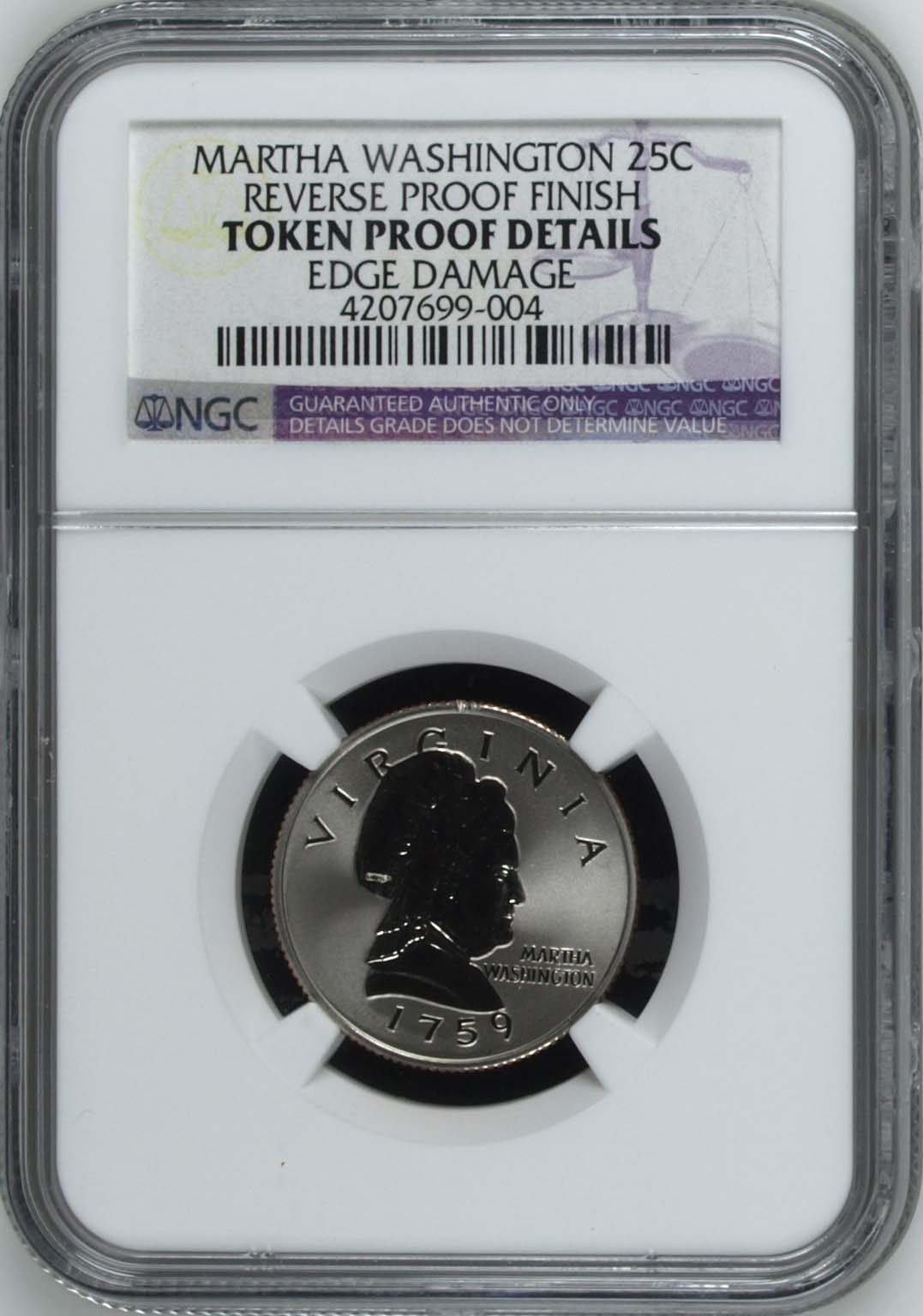 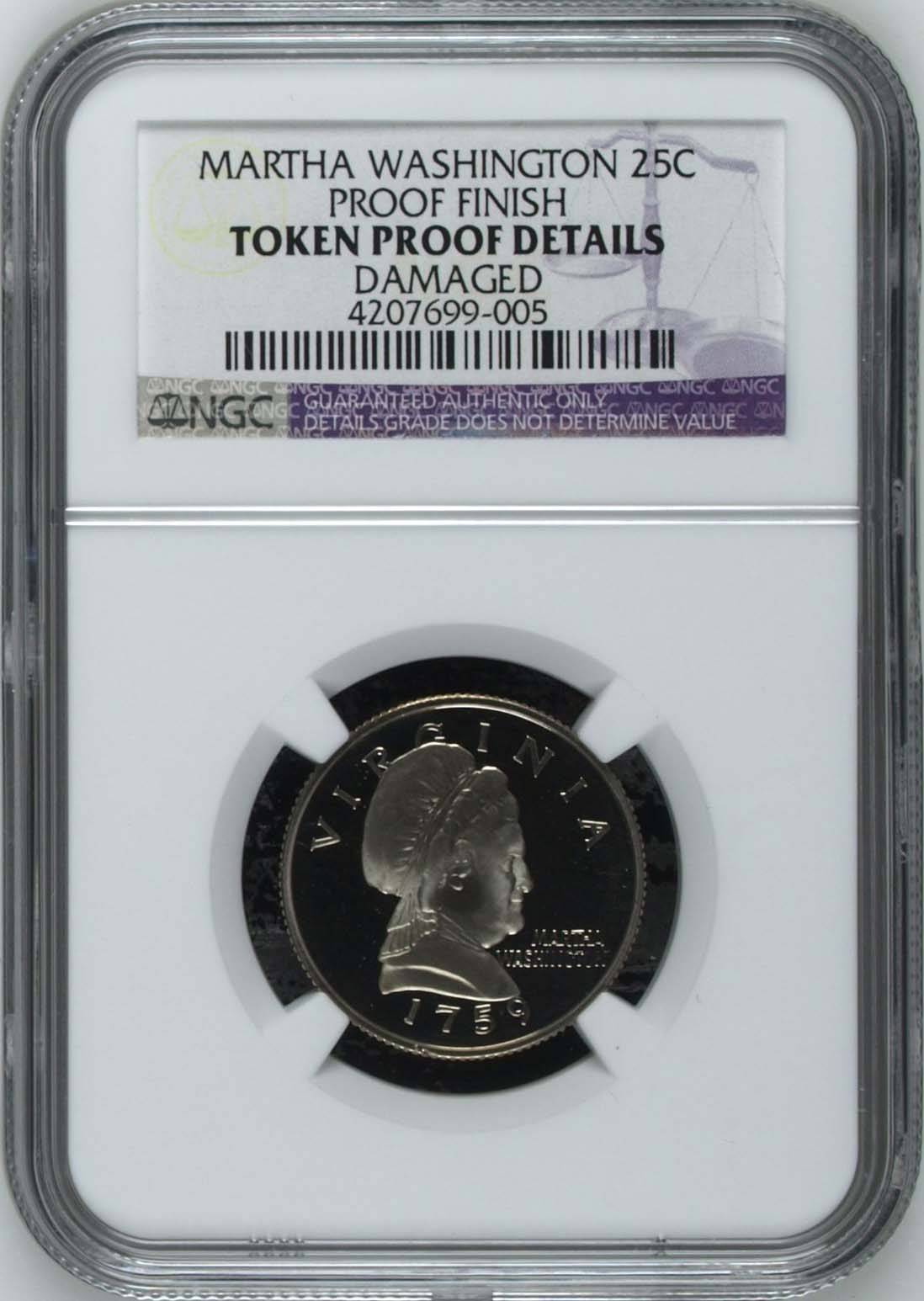
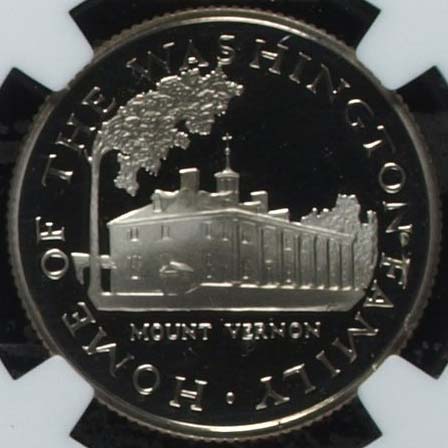
This is a historic and spectacular unique set of Martha Washington Test Pieces struck circa 1999. They are listed in the USPatterns website and have been assigned Judd 2116, which are the Martha Washington Quarter-Sized test pieces struck in cupro-nickel clad. This unique set consists of 5 different experimental finishes that the U.S. Mint was testing. The U.S. Mint did adopt the satin finish, which first appeared in the 2005-2010 Mint Sets, and the reverse proof finish, which first appeared on the 2006-P American Silver Eagle. To date, there are no U.S. coins struck with a brushed finish or antique finish.
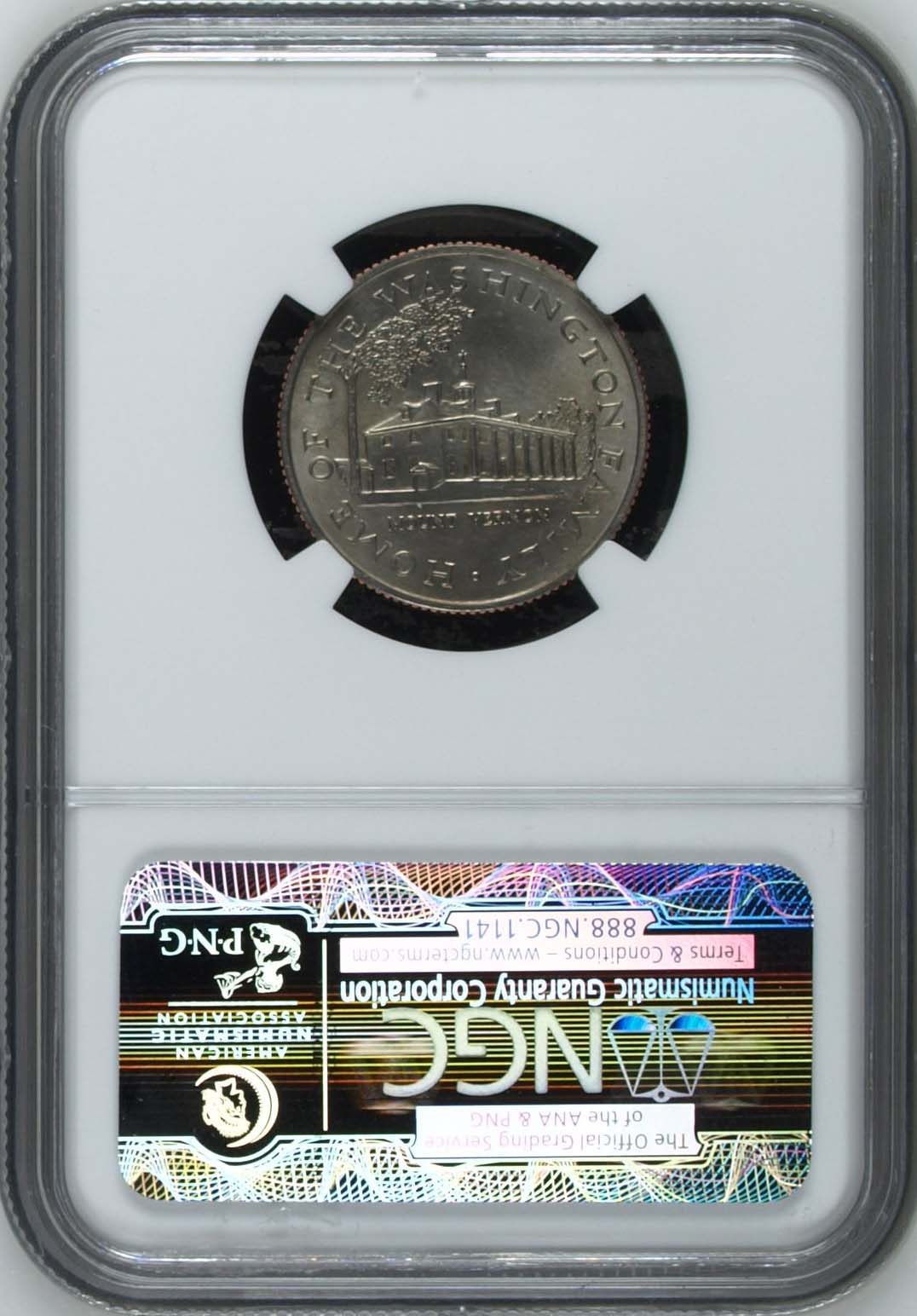
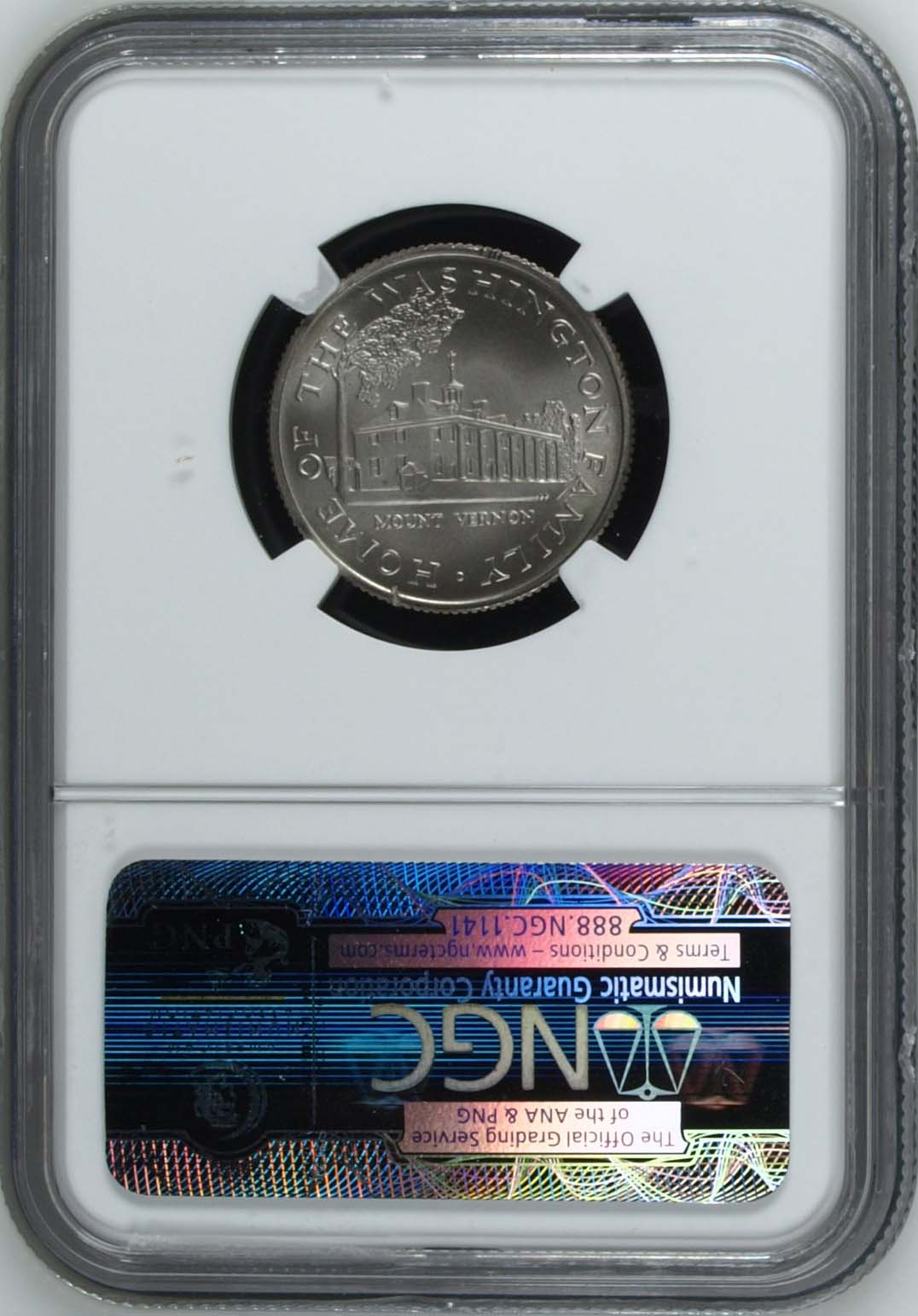
Here are the 5 NGC certified Martha Washington Quarters with the different experimental finishes:
Martha Washington 25C - Antique Finish
Martha Washington 25C - Satin Finish
Martha Washington 25C - Brushed Finish
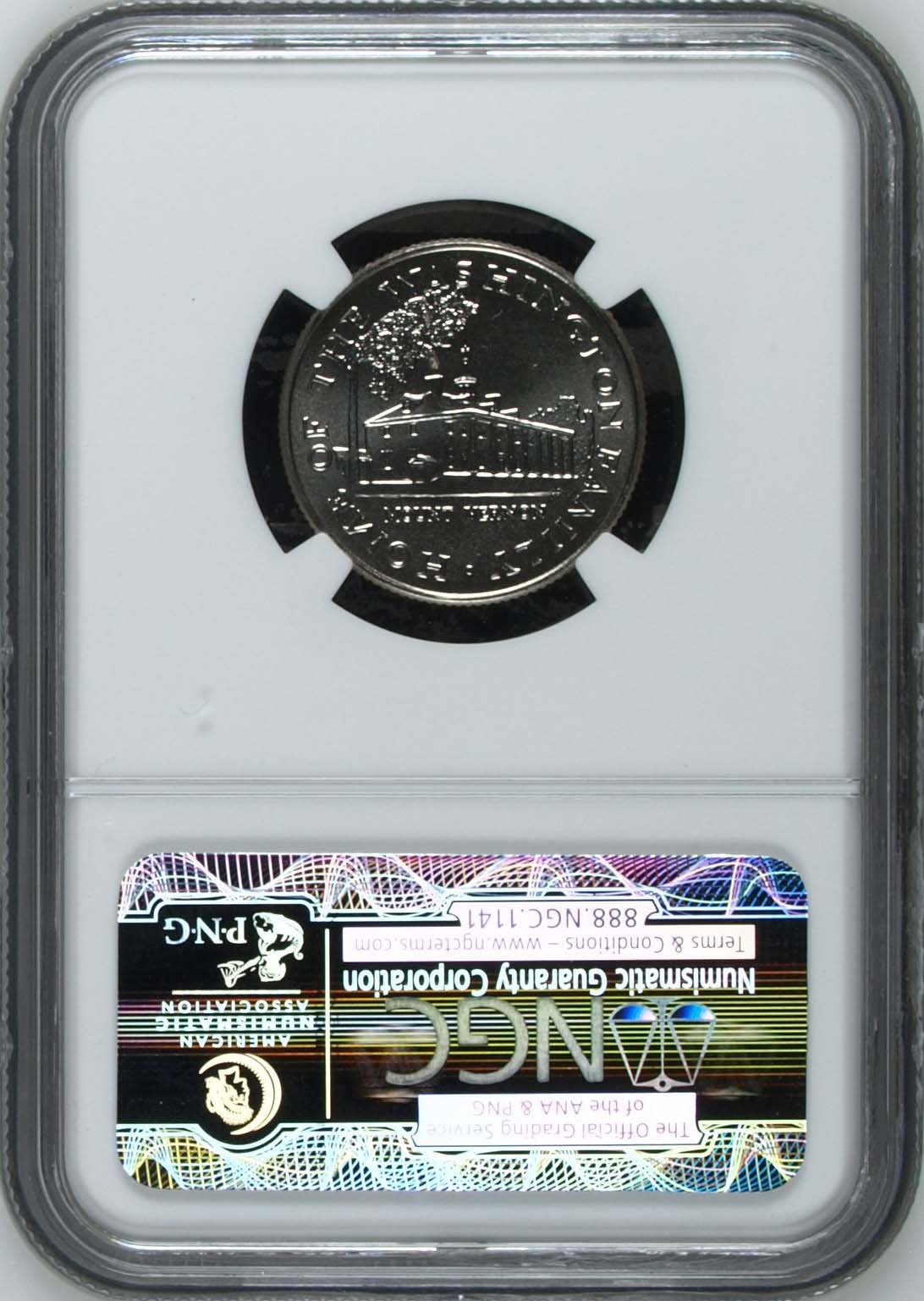
Martha Washington 25C - Reverse Proof Finish

Martha Washington 25C - Proof Finish

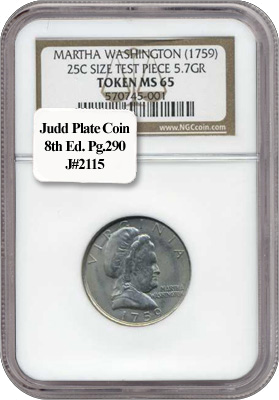
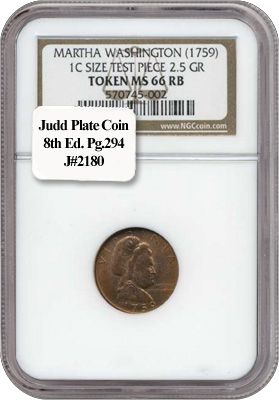
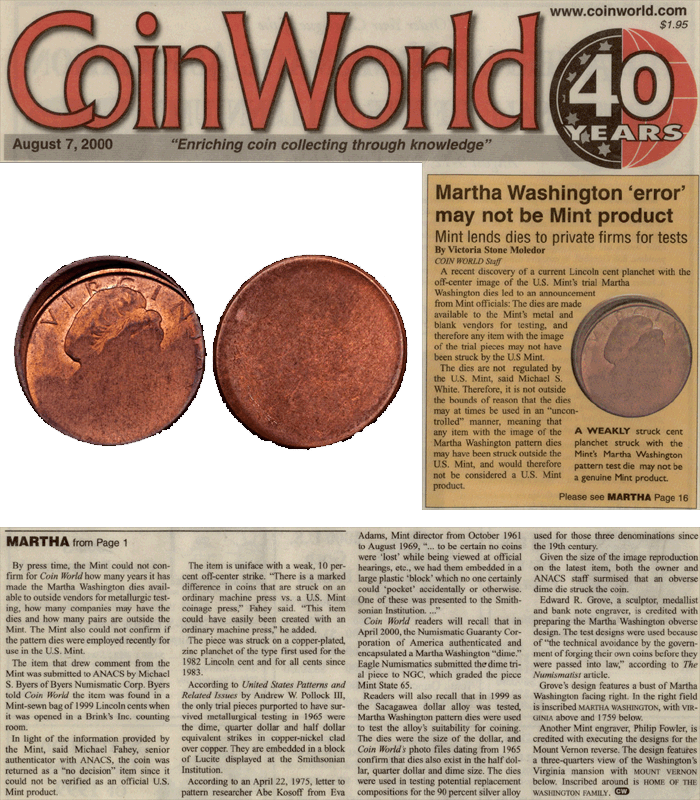
In 1999 I discovered the first Martha Washington Test Piece that was struck on a U.S. cent planchet. It was authenticated and certified by NGC and was featured in a front page Coin World article.
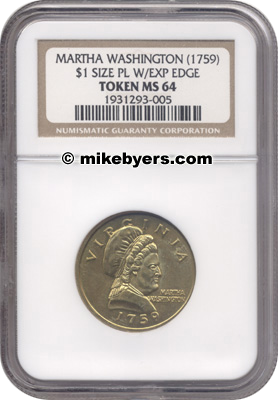
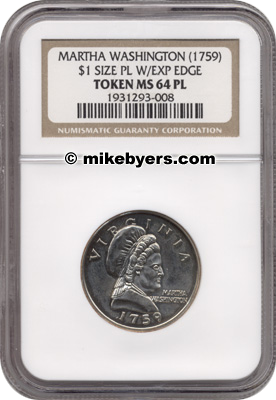
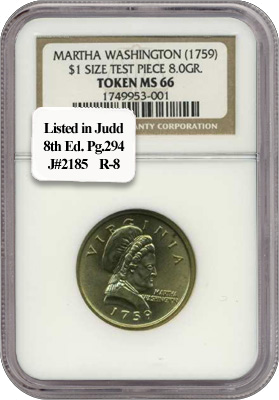
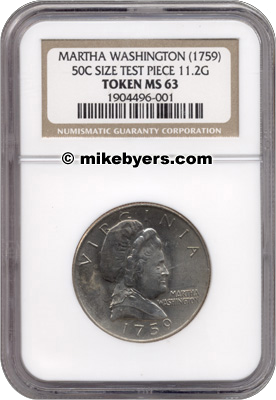
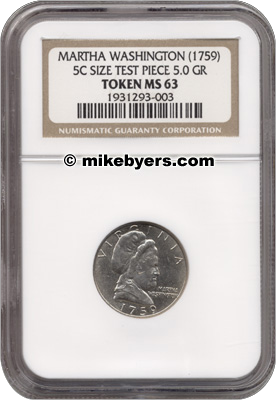
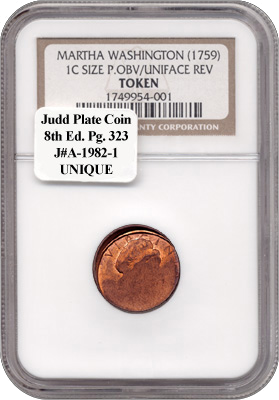
A few years later, I discovered a group of 7 more Martha Washington Test Pieces in various U.S. planchet denominations and in several different compositions. These were also certified by NGC. Since then, a few other Martha Washington Test Pieces have surfaced. These have sold for as high as $25,000 each in public auctions and private sales.
I discovered the first Martha Washington Test Piece struck on a clad Quarter planchet. This coin is the plate coin for Judd #2115 on page 290 of the eighth edition of United States Pattern Coins, Experimental and Trial Pieces. Recently a second Martha Washington Quarter has been discovered. Click here for more info on the Martha Washington Quarter from uspatterns.com.
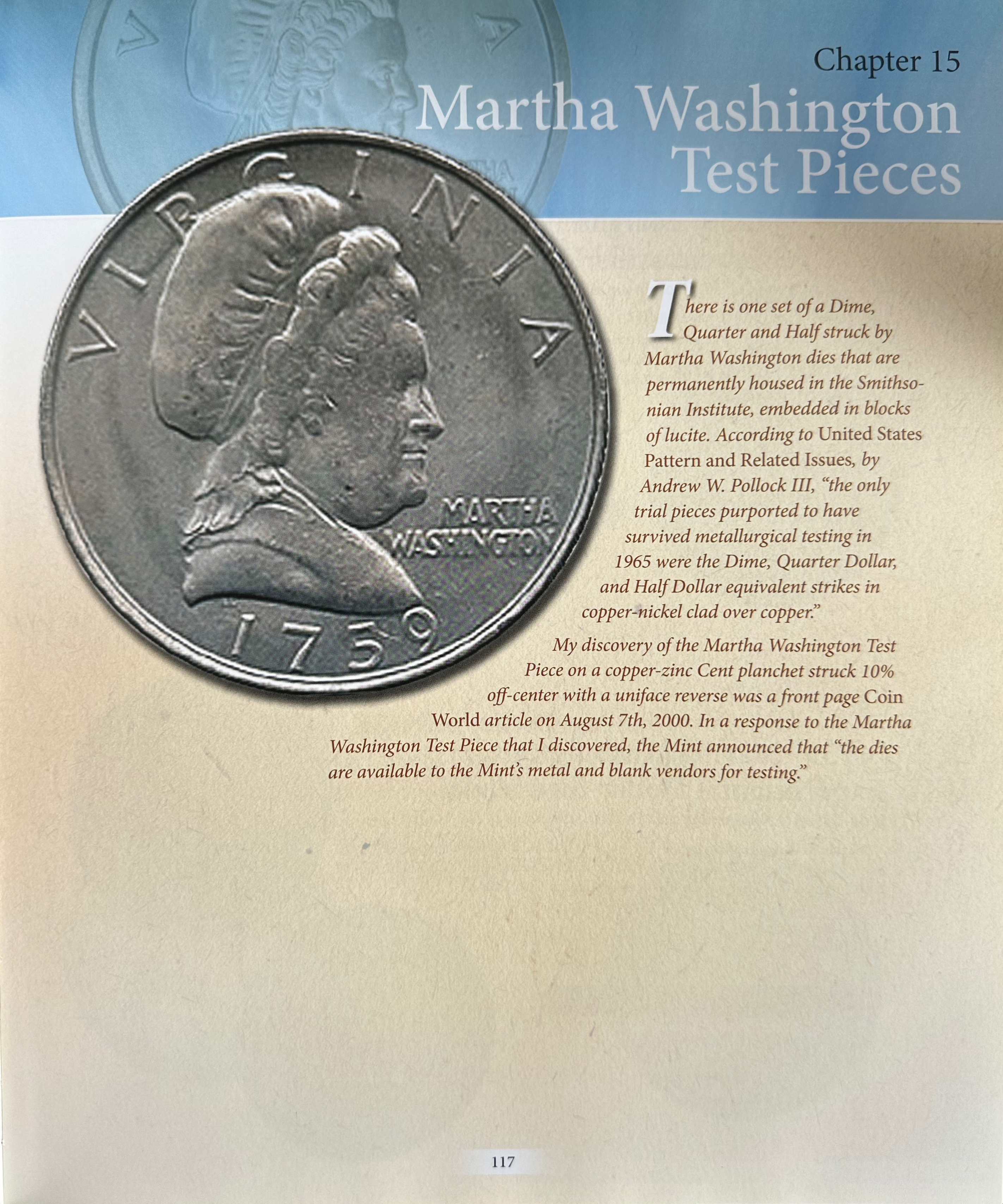
According to United States Pattern and Related Issues, by Andrew W. Pollock III, "the only trial pieces purported to have survived metallurgical testing in 1965 were the Dime, Quarter Dollar, and Half Dollar equivalent strikes in copper-nickel clad over copper." There is one set of a Dime, Quarter and Half struck by the Martha Washington dies that are permanently housed in the Smithsonian Institute, embedded in blocks of lucite. Click here to view the Martha Washington patterns permanently housed in a block of lucite at the Smithsonian.
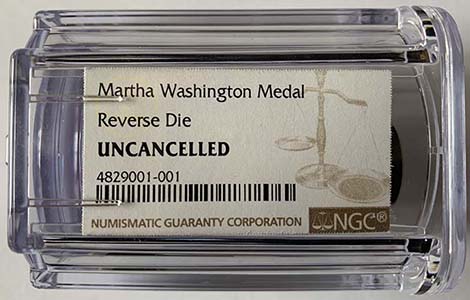
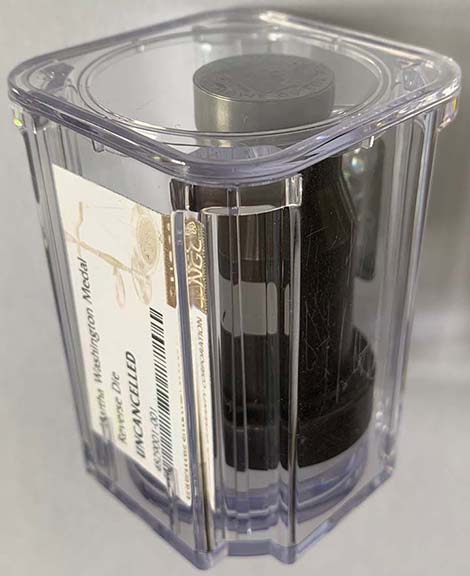
Martha Washington dies have become the U.S. Mint's all-purpose design for testing new compositions, surfaces and planchet sizes. These experimental strikings were conducted both inside the Mint and outside by companies contracted by the U.S. Mint. Companies within the United States included IDX Inc, PMX Industries, and Olin Brass Corporation while Schuler AG in Germany struck coins overseas. Schuler AG is the supplier of Schuler coin presses to the United States Mint to strike our coinage.
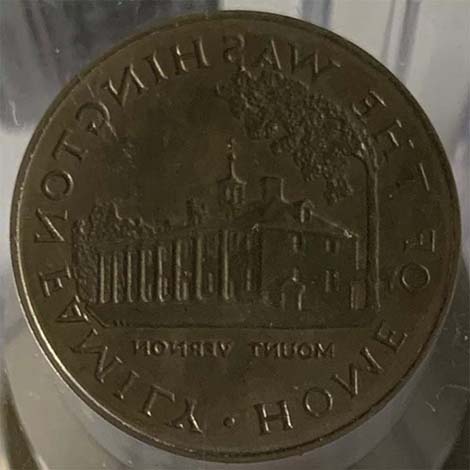
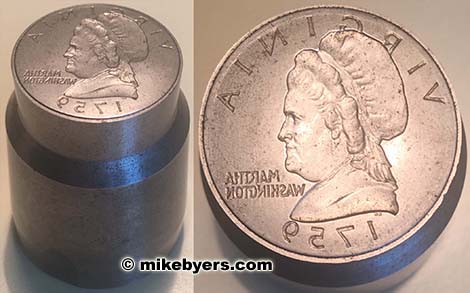
Martha Washington dies have "fantasy designs" intended to avoid creating rarities with regular coinage motifs. The design of these proof dies was used by the U.S. Mint for metallurgical testing beginning in 1965 until 2011 when the dies were redesigned. The obverse features a bust of Martha Washington, with the inscription "VIRGINIA" above and the date "1759" (the year she married George Washington) below. The reverse typically features an image of Mount Vernon.
In addition to the cupro-nickel clad examples, these were struck in additional alloys as shown below which were taken from the "Final Report on a Study of Alloys Suitable for Use as United States Coinage to U.S. Department of the Treasury Bureau of the Mint February 12, 1965" by Batelle Memorial Institute:
- nickel J2115
- cupro-nickel clad J2116. These exist in both business strike and proof format in various finishes. A set of 5 was struck circa 1999 as follows: proof, reverse proof, brushed finish, satin finish and antique finish.
- 50% silver, 50% copper J2117
- silver clad J2118
- columbium (type 1) J2119
- columbium (type 2) J2120
- zirconium J2121
- Monel (nickel base alloy) J2122
- nickel-5% silicon with magnetic core J2123
- stainless steel (type 301-Type I) J2124
- stainless steel (type 301-Type Il) J2125
- stainless steel (type 302) J2126
According to a Coin World article in the June 24, 2002 issue, "anti-tarnish tests were conducted at the Philadelphia Mint on January 8, 2000, on Sacagawea dollar blanks struck with the experimental Martha Washington obverse, Mount Vernon reverse experimental dies, according to Mint e-mails." The article continued: "Seven processes were explored: one on circulation quality strikes, three on Uncirculated [Mint set] quality coins, and three on Proof quality strikes. The coins were struck on at least four different kinds of presses, with the blanks subjected to one of five burnishing methods."
This is a fascinating ongoing discovery since the U.S. Mint uses Martha Washington dies for experimental purposes in striking coins in various compositions, surfaces, with edge lettering and in Braille. This unique set of Martha Washington Test Pieces belongs in a world class U.S. coin collection.
Martha Washington 25C - Antique Finish


Martha Washington 25C - Satin Finish
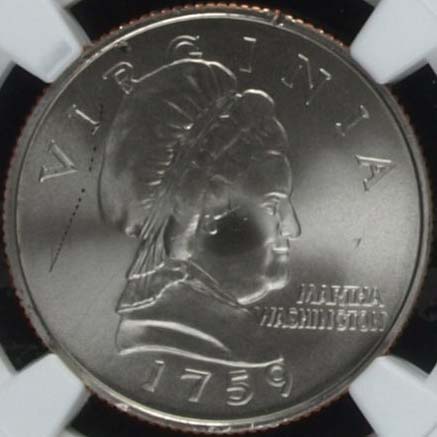
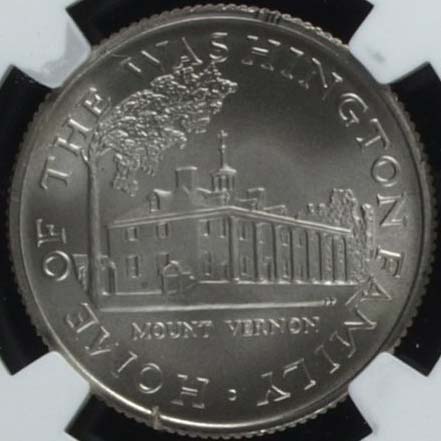
Martha Washington 25C - Brushed Finish
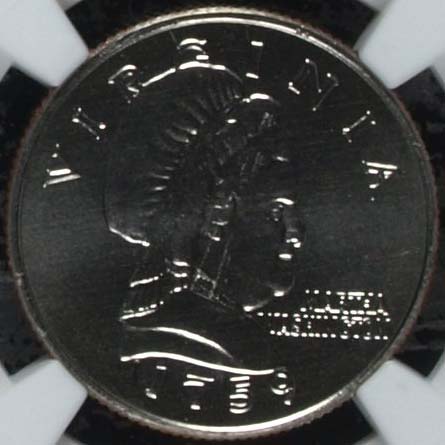
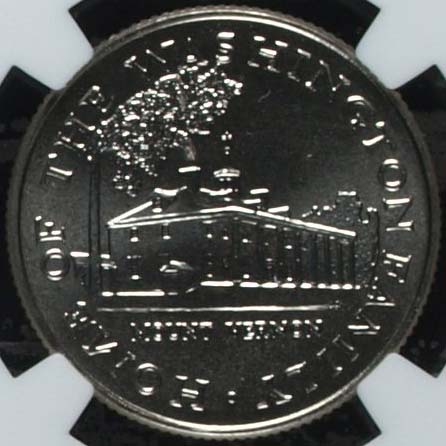
Martha Washington 25C - Reverse Proof Finish
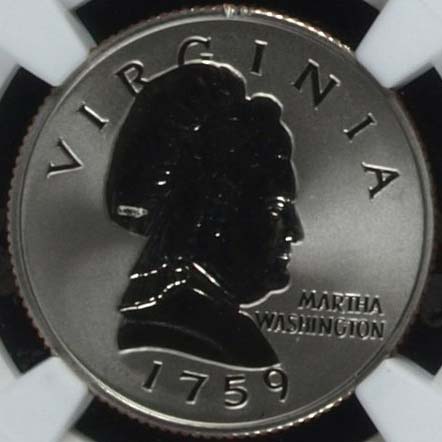
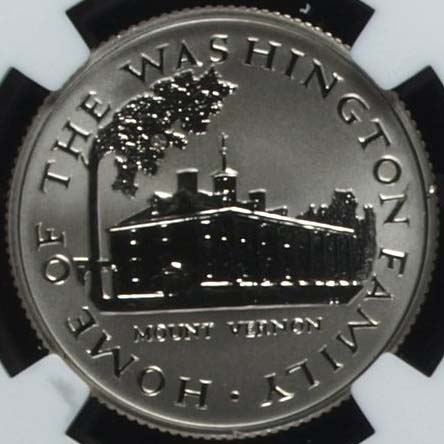
Martha Washington 25C - Proof Finish
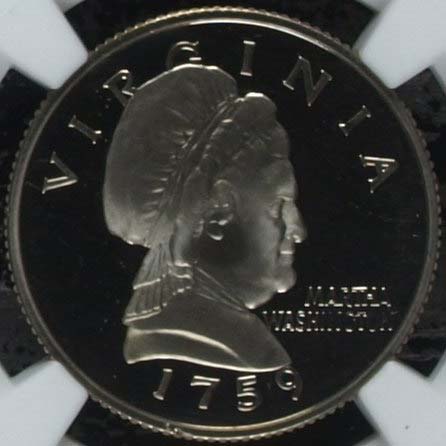

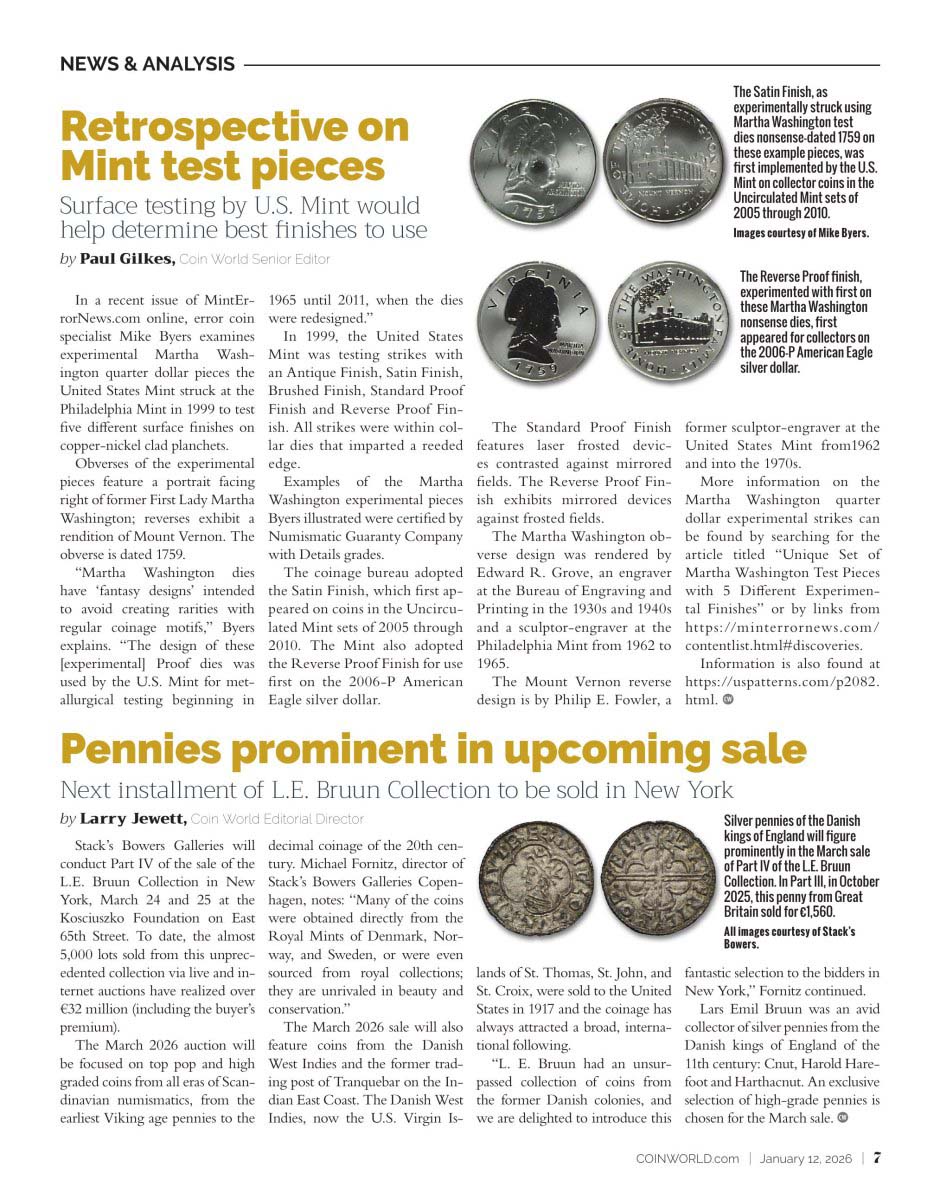 Copyright story reprinted by permission from Page 7 of the Copyright story reprinted by permission from Page 7 of the
January 12, 2026 issue of COIN WORLD, Sidney, OH (coinworld.com)
Martha Washington Test Pieces
|
Mike Byers' discovery was featured in
a front page article in Coin World
Copyright story reprinted by permission from Page 1 and Page 16 of the August 7, 2000 issue of COIN WORLD, Sidney, OH (coinworld.com)
 |
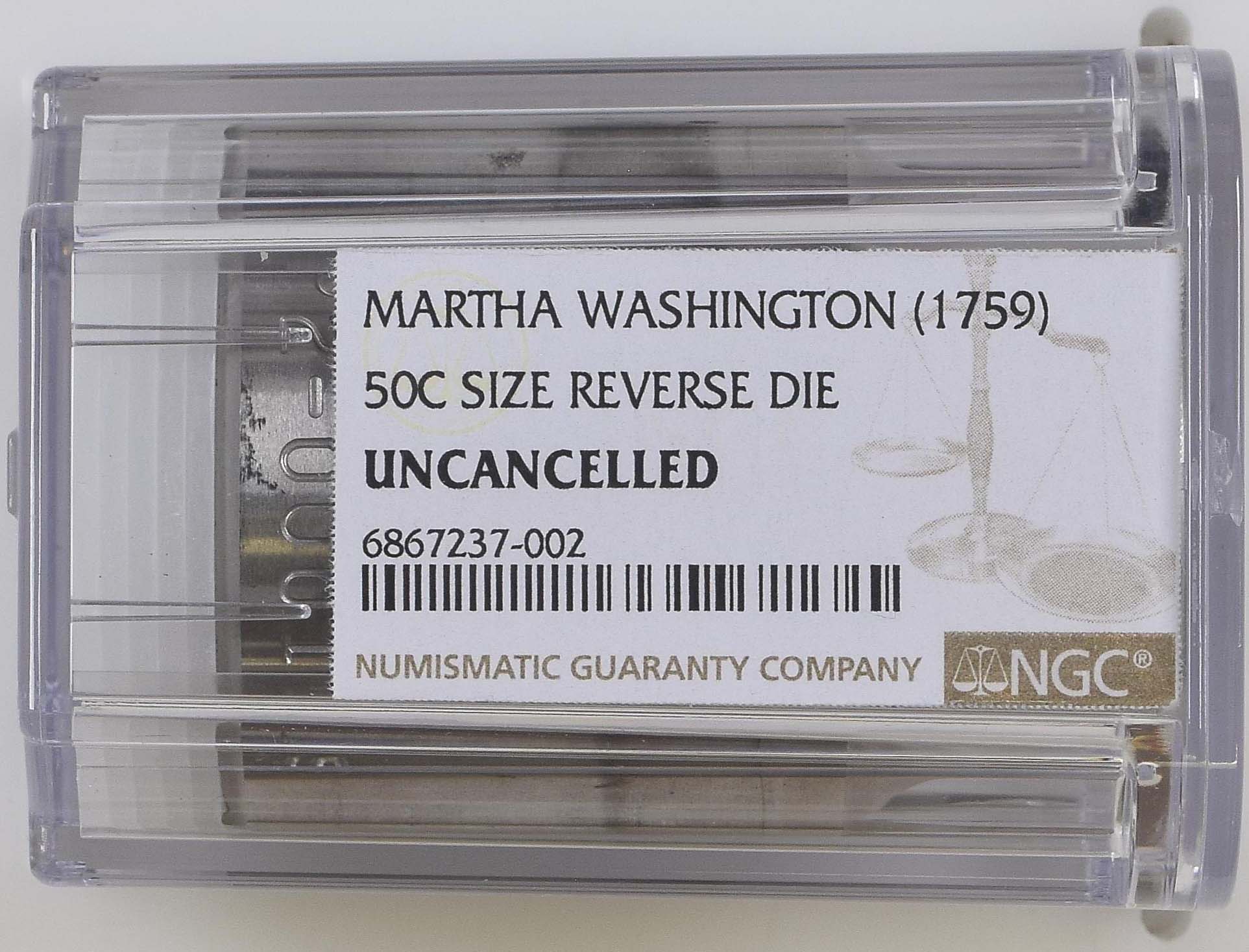
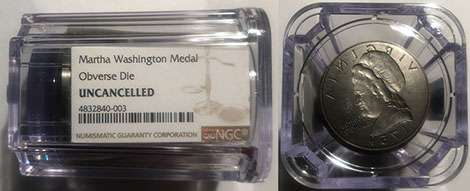
Martha Washington Obverse Die Used To Strike Half Dollar Experimental Test Pieces For U.S. Judd #2131-2143
|
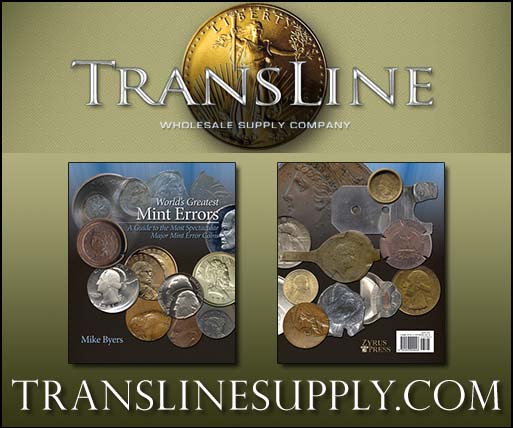
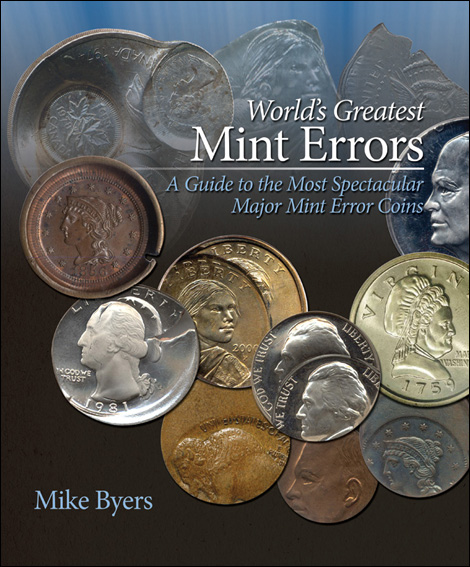
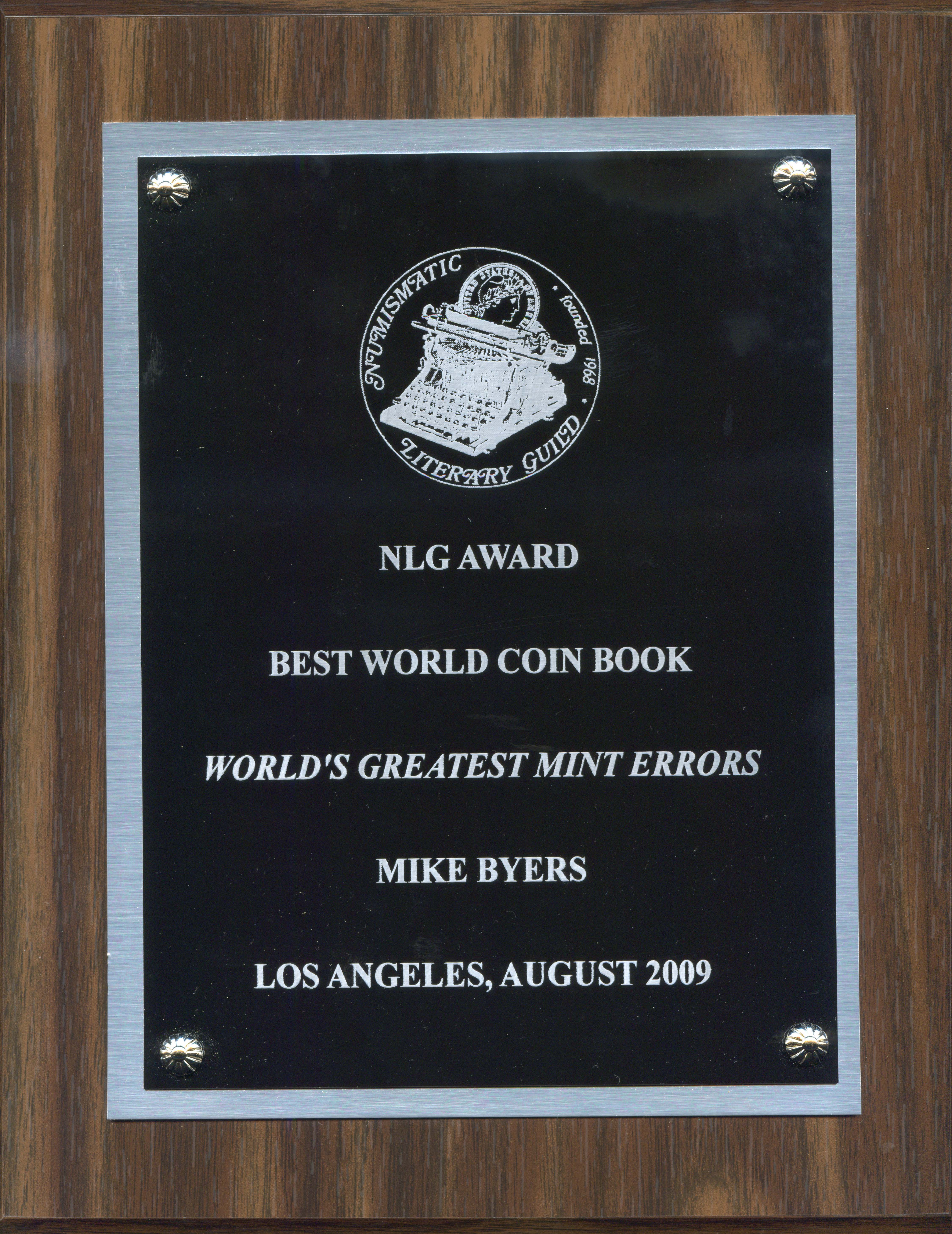
Martha Washington Test Pieces are
featured in my NLG award winning book,
World's Greatest Mint Errors.

|
|
|
|
|
|
Copyright Ⓒ 2025 minterrornews.com. All rights reserved. Legal notice.
|
|
|
|